
Reviewed · MASPALOMAS CAMEL RIDES
Camel riding in the dunes of Maspalomas
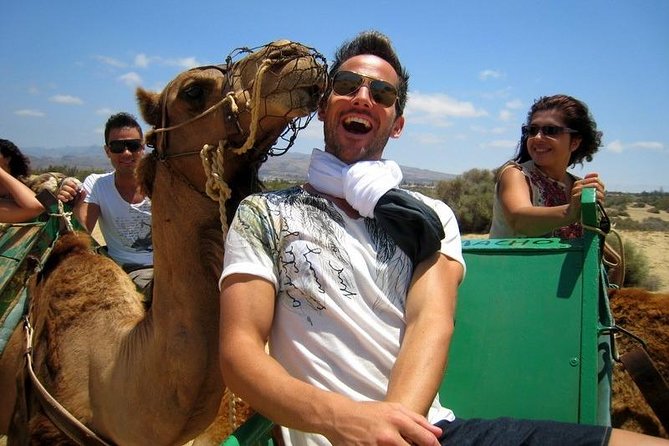
Camel rides in Maspalomas feel like time travel. This is a guided camel trek in the Maspalomas nature reserve area, set up as an easy, family-friendly experience with a clear route and a declared cultural heritage setting. I like that it’s straightforward: you check in, follow the handlers’ instructions, and get on for a dune ride that doesn’t feel chaotic.
I especially like the secure seating and the fact that the ride is paced for safety. The experience is also often a bit longer than the stated timing, and the staff tend to keep things organized, with handlers focused on balancing riders.
One thing to plan for: this can be first-come, first-served, so if you stroll in after late morning, you may spend more time in line than you’d like. Add in strong sun, warm sand, and the normal animal stuff (yes, there can be barn smell), and it helps to show up early with the right expectations.
In This Review
- Key things to know before you saddle up
- Maspalomas dunes: what makes this camel ride special
- Price and value: what about $21.69 gets you
- Meeting point and check-in: how to avoid the frustrating parts
- The ride itself: pace, seating, and what “30 minutes” feels like
- Animal welfare and safety: what you’ll actually notice up close
- What to wear and bring for dune heat and queue time
- Group size and timing: why the day can feel busy
- How “guided” feels in practice
- Accessibility and who should (or shouldn’t) book
- Should you book Camel Safari Duna Maspalomas?
Key things to know before you saddle up
- Arrive early to beat the line: the station runs through the afternoon, but you’ll want to be there before 11:00.
- Short ride, often longer in practice: the booking says about 30 minutes, and many people get a bit more time.
- Trained handlers and secure chairs: guides focus on safety and keeping riders balanced.
- Heat + sensible shoes matter: dunes can get very hot; you may also notice animal scent and droppings.
- Capacity is capped: you’re in a group experience with a maximum of 70 travelers.
- Weight limit applies: riders over 110kg / 220lbs can’t be accommodated.
Maspalomas dunes: what makes this camel ride special
This camel safari is all about one thing: moving at camel speed through the dunes around Maspalomas, in Southern Gran Canaria. It’s not a long trek through the whole island. Think of it as a focused “you’re here, now enjoy this” outing—about half an hour on camelback, guided along a planned route by a Gran Canaria guide.
What I like is how natural the setup feels once you’re there. You don’t need a gear list or a big plan. You do need to treat it like what it is: animals, sand, and people moving through a timed day. The best outcome comes when you arrive ready to go and don’t build your schedule around “perfect timing.”
Also, the dune setting is the star. The Maspalomas area has a unique look—rolling sand and coastal feel. Even when you’re on a short loop, you’re still riding in the actual dune world, not beside it.
More rides across the Maspalomas dunes
Price and value: what about $21.69 gets you
At about $21.69 per person, this feels like solid value for a major “Canary Islands” checkbox. You’re paying for:
- a guided camel ride in the dunes,
- staff and handlers on-site,
- and a short block of time that’s easy to fit into a vacation day.
The trade-off is that you’re not getting a big lecture or a long nature program. People come for the ride. If you want deep storytelling about the camels and the local area, you might find the experience a bit light on extra talk.
One small value add: the camel ride is described as about 30 minutes, but multiple experiences run longer than that. When the timing stretches, it makes the price feel even more comfortable.
Meeting point and check-in: how to avoid the frustrating parts
The meeting point is at Camel Safari C. Oceanía, 35100 Gran Canaria, Las Palmas, Spain. The station is open 9:00 AM to 3:00 PM. That said, you should aim to arrive early—ideally between 9:00 and 11:00.
Why? Because check-in works like a queue. You don’t really get a scheduled appointment time where you can stroll up at your convenience. Instead, you join the line and wait until your turn. When the day is busy, being later can mean a longer wait or a later assignment slot.
A practical move: give yourself buffer time before you plan lunch or the next activity. If you’re trying to pair this with the beach, you can—people often do it while waiting. But if you schedule something right after your booking time, you may get burned.
If you’re visiting in peak summer (especially July and August), expect crowds. The provider recommends coming early in those months to reduce waiting.
The ride itself: pace, seating, and what “30 minutes” feels like
Most bookings describe the camel ride as about 30 minutes. In real life, the time you ride can run a little longer—think closer to 25 minutes total for some families, and up to the mid-30s for others. Either way, it’s long enough to feel like you did something, but short enough that it won’t drain an entire afternoon.
The ride isn’t described as scary. You’ll be seated in a chair setup, and handlers are there to keep things stable. People specifically mention that the ride feels controlled and that safety is taken seriously by guides.
One more detail worth knowing: some rides use a system where the chair and balance practices can feel unusual at first, especially if more than one person is in the chair setup. This doesn’t mean it’s unsafe—handlers are adjusting for comfort and balance—but it can change your expectations if you imagined a totally solo experience.
During the ride, you’ll follow the planned dune route. You may also notice that the camels are managed with safety measures that can be visible up close.
Animal welfare and safety: what you’ll actually notice up close
This is the part where I’d rather you know what you’re walking into than be surprised.
On the positive side, many riders say the camels look well cared for and that handlers are professional. There’s also a repeated theme of safety focus—guides practicing safe conduct and riders being kept stable.
On the critical side, some people feel uneasy about how the camels are managed. You might notice:
- camels are muzzled for control,
- and the handling system can look like lots of riders cycling through in a busy, utilitarian way.
So here’s the honest practical takeaway: this is a working animal experience. It can be peaceful and fun, but it’s still a business built around animal labor. If that makes you uncomfortable, trust your gut and consider a different activity that aligns with how you want to spend your vacation.
If you do go, bring a respectful mindset. Don’t grab at animals. Stay aware of where you step in the station area. And remember that sand and crowds can add stress for everyone, including the animals.

What to wear and bring for dune heat and queue time
This outing happens in bright sun and on sand. Even with a breeze, it can be hot—one review points out temperatures above 30°C/86°F. I’d treat it like a warm-weather outdoor event with animal contact.
Bring:
- Water (non-negotiable if it’s hot),
- a cap or hat for sun,
- sensible shoes with grip (sand + walking + potential droppings in the area is real).
Also, plan for the station area. Expect normal farm/animal smells. That barn smell is not subtle. It’s not a reason to panic—it’s just part of being near animals.
If you’re sensitive to strong odors, consider choosing a time earlier in the day and keeping wipes or sanitizer handy.
Group size and timing: why the day can feel busy
The experience caps at 70 travelers. That’s not enormous, but it’s also not a private ride. With a queue-style check-in, you can end up waiting longer than you expected, especially late.
A small timing hack: arrive earlier than you think you need to. People report that arriving around 9:30 AM can mean a smoother run and less waiting. Arrive closer to 10:00 and you may still be fine—but you might get slotted later depending on how the day flows.
Also, plan around the ride station’s hours. The station stays open into the afternoon, so the day can keep moving even if you’re not riding right away. That can help if you have flexibility.
How “guided” feels in practice
You follow the route that’s planned in advance. Guides and handlers are actively involved during boarding, mounting, and the ride itself.
What you might not get is a deep, long-form talk. Some people wanted more info about the animals and the area—more context, more explanation. So if you’re the type who loves facts and storytelling, go in expecting mainly a practical experience: ride, listen to safety cues, and enjoy the dunes.
That said, you’ll likely get basic guidance from the staff, including how to sit comfortably and how to hold stable during the ride.
Accessibility and who should (or shouldn’t) book
This activity states that most travelers can participate. However:
- Riders over 110kg / 220lbs can’t be accommodated due to comfort and weight.
If you have mobility concerns, this setup is still mostly a short ride experience, but you should be prepared for walking around the station and stepping in and out of the camel seat with staff guidance.
If you’re going with kids, the chair setup can be a fun “first camel” moment. Some families find it a highlight because the pace feels manageable for younger legs and nervous first-timers.
If you want a quiet, low-impact nature experience, this may feel too busy. If you want a classic dune adventure with working animals, it hits that target well.
Should you book Camel Safari Duna Maspalomas?
Book it if you want:
- a classic Maspalomas dunes camel ride that’s easy to fit into a day,
- good odds you’ll enjoy the ride even if you’ve never ridden before,
- and a straightforward, staff-led experience without too much fuss.
Skip it (or choose a different option) if:
- you hate the idea of working animals being managed for tourism,
- you need lots of guided explanation beyond safety cues,
- or you’re the kind of person who can’t handle queue-style timing and hot waiting.
My practical advice: go early, wear grippy shoes, bring water, and go with the mindset that you’re buying a dune ride—not a museum tour. If that matches what you want, this one is worth booking.
More of the Gran Canaria Ledger
- Gran Canaria: Catamaran Dolphin Watch Cruise with Snorkeling★ 4.4 · 4,761 reviews
- Maspalomas: Guided Camel Ride in the Maspalomas Sand Dunes★ 4.4 · 4,526 reviews
- Poema del Mar Skip-the-Line Ticket★ 4.8 · 3,856 reviews
- Puerto de Mogán: Submarine Tour★ 4.4 · 3,792 reviews
Across the Maspalomas Dunes
- Maspalomas: Guided Camel Ride in the Maspalomas Sand Dunes★ 4.4 · 4,526 reviews
- Gran Canaria: Camel Ride Safari w/ Optional Food & Transport★ 4.2 · 1,167 reviews
- Camel Riding in Maspalomas Dunes★ 4.0 · 590 reviews
- Gran Canaria: Camel Ride at Camel Safari Park★ 4.1 · 217 reviews
Fresh on the Gran Canaria List
- Gran Canaria: Highlights & hidden gems with Sky Rebels
★ 5.0 · 3 reviews - Escape room “The gratest show on earth” at Holidayworld
★ 3.9 · 3 reviews - Wanderungen im grünen Gran Canaria
★ 5.0 · 3 reviews - 2 hours Double Pass Spa Circuit in Hotel Don Gregory
★ 3.5 · 3 reviews - Las Palmas Maspalomas Gran Canaria Salsa Lovers Dance Experience
★ 5.0 · 3 reviews - Traditional Market Day and San Mateo & Teror
★ 3.5 · 3 reviews
Maspalomas Camel Rides, compared.
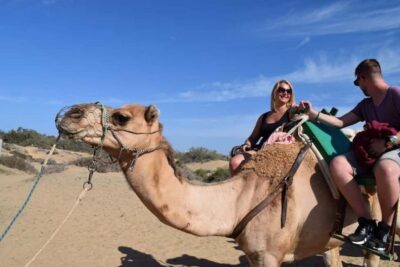 ★ 4.4Maspalomas: Guided Camel Ride in the Maspalomas Sand DunesFrom $214,526 reviews
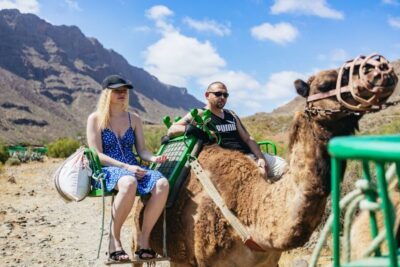 ★ 4.2Camel Ride Safari w/ Optional Food & TransportFrom $501,167 reviews
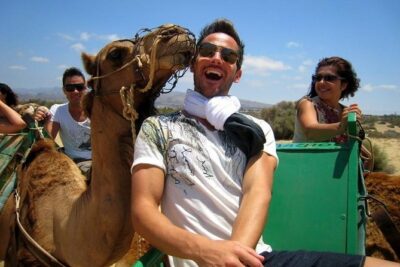 ★ 4.0Camel Riding in Maspalomas DunesFrom $21590 reviews
 ★ 4.1Camel Ride at Camel Safari ParkFrom $23217 reviews
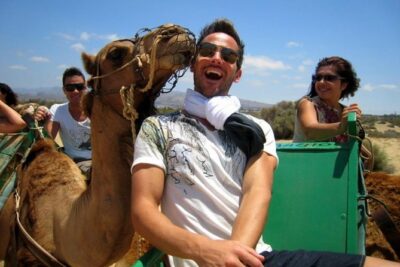 ★ 3.5Camel Safari through the Dunes of MaspalomasFrom $2173 reviews
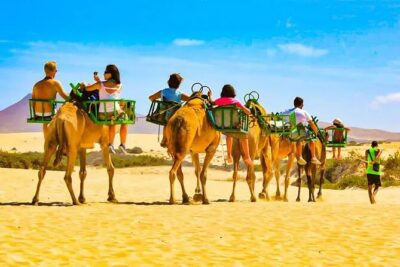 ★ 5.0e-Scooter City Tour + Camel Ride inside Maspalomas DunesFrom $10425 reviews
 ★ 4.5Camel Ride in Fataga with Tapas and drinksFrom $5722 reviews
★ 4.5e-Scooter City Tour + Camel Ride inside Maspalomas DunesFrom $10711 reviews
★ 4.5Camel Ride in Fataga with Tapas and drinksFrom $5722 reviews
★ 4.5e-Scooter City Tour + Camel Ride inside Maspalomas DunesFrom $10711 reviews
Browse the lists this tour appears in