
Reviewed · GRAN CANARIA
Gran Canaria historical house with mango plantation in Mogan
A fruit and vermouth morning in Mogán can change how you see Gran Canaria. You’ll walk through a restored Canarian farmhouse on a working plantation, then finish with tastings that feel very specific to this valley. Expect real agriculture, not museum-style farming.
I love how the tour links daily life 200 years ago to what grows today. Second, the food part is not an afterthought: you get a guided vermouth tasting plus a standout dessert, Gazpachuelo de mango. The pace is friendly, but there is one practical catch.
The main consideration is walking. This experience includes a descent toward the mango plantation, and it’s not suitable for baby carriages or people with mobility impairments (even though some areas are described as wheelchair accessible). If stairs or uneven ground are a problem, this tour may be frustrating.
In This Review
- Key Things You’ll Notice (Fast)
- Entering Mogán’s 200-Year Farmhouse (And the Valley Views)
- Cactus Garden Walk: More Than Pretty Photos
- Mango Plantation Tour: Seeing How Crops Actually Grow
- Vermouth in Mogan: How the Lolito Tasting Works
- Gazpachuelo de Mango: The Dessert That Becomes a Story
- How the 2 Hours Actually Play Out (So You Can Plan Your Day)
- Price and Value: What $64 Includes (and Why It’s Reasonable)
- Optional Lunch or Dinner at Valle de Mogán
- Who This Tour Suits Best (And Who Should Think Twice)
- Should You Book This Mango and Vermouth Tour?
- FAQ
- How long is the experience?
- What is the meeting point?
- What tastings and food are included?
- Do I need to pay extra for lunch or dinner?
- What group size is it?
- What languages are available?
- Is the tour suitable for wheelchairs?
- Who should not book due to health or age limits?
Key Things You’ll Notice (Fast)
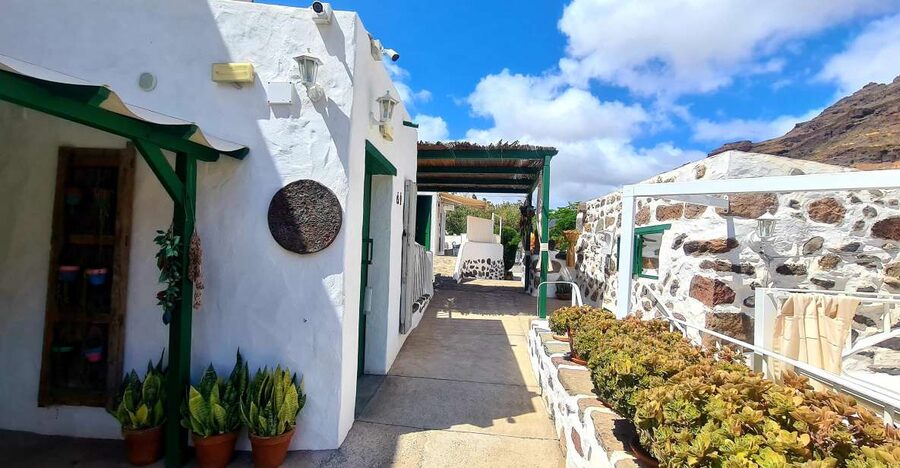
- 200-year Canarian farmhouse, restored to traditional popular Canarian architecture
- Cactus garden trails with a wide variety of native plants
- Mango plantation plus other crops like avocados and soursops
- Vermouth in Mogan, including a tasting of white and red Lolito
- Gazpachuelo de mango: cold mango and yogurt soup with chocolate cubes
Entering Mogán’s 200-Year Farmhouse (And the Valley Views)
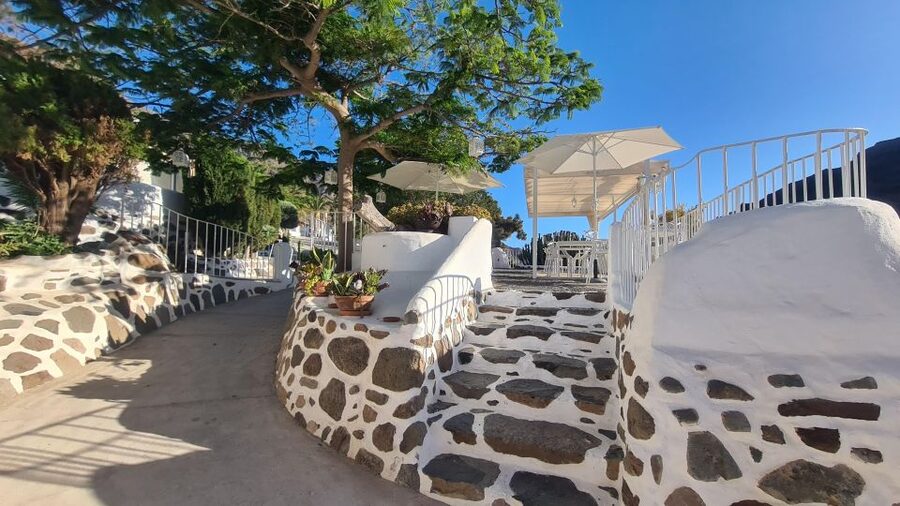
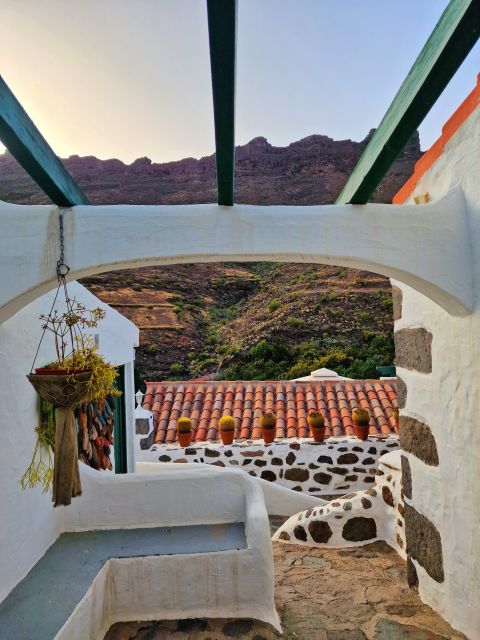
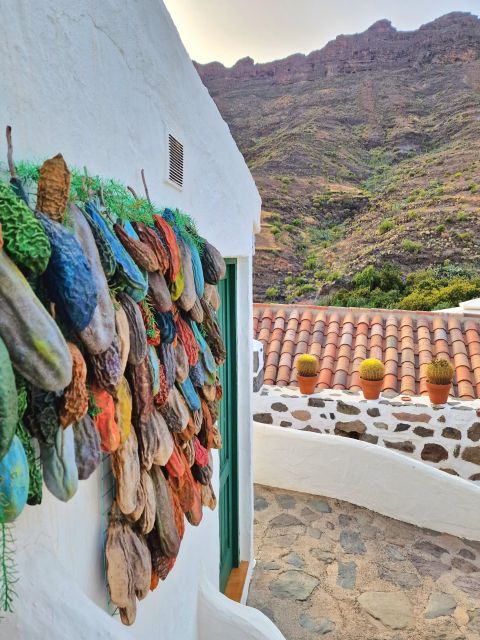
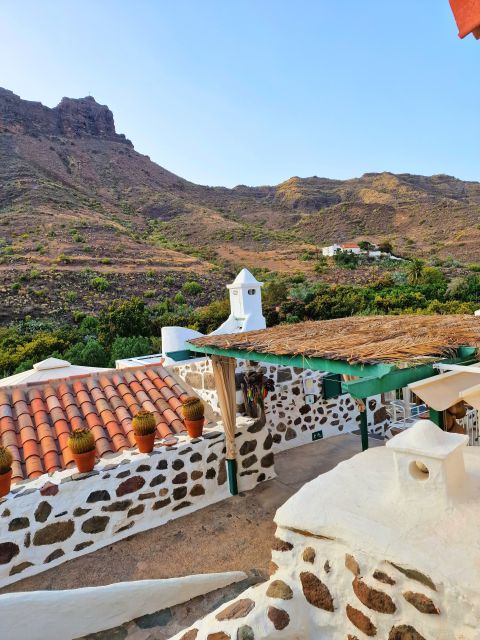
Your morning starts near the Pueblo de Mogán area, at a cluster of old buildings that’s about 200 years old. This isn’t a single-room stop. It’s a complex of structures restored to match common Canarian farmhouse architecture, so you can picture how people actually lived rather than just admire a pretty facade.
As you move through the property, pay attention to how the site is framed by native vegetation and the Mogán valley views. That setting matters because it explains why agriculture here makes sense. This is a landscape shaped by the local climate and plant choices, and the house is the “human scale” center of it all.
I also like that the tour feels guided, not rushed. You’re given time to look, ask questions, and take photos on the way. One small practical tip: wear shoes you trust. Even if you don’t think of this as a hike, the ground around a farm and garden is usually uneven.
More Gran Canaria trips that earn their spot:

Cactus Garden Walk: More Than Pretty Photos
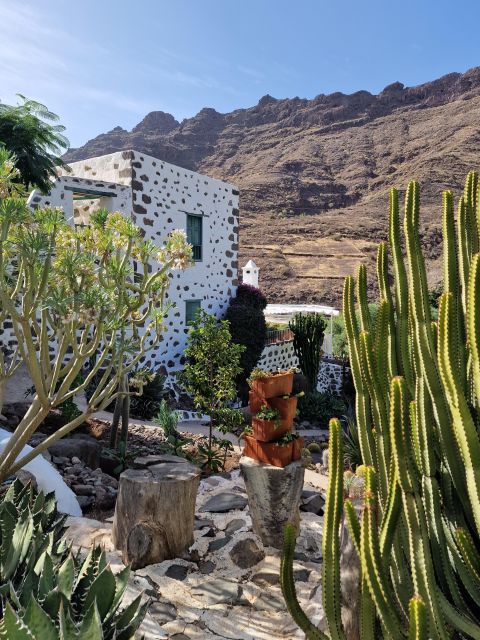
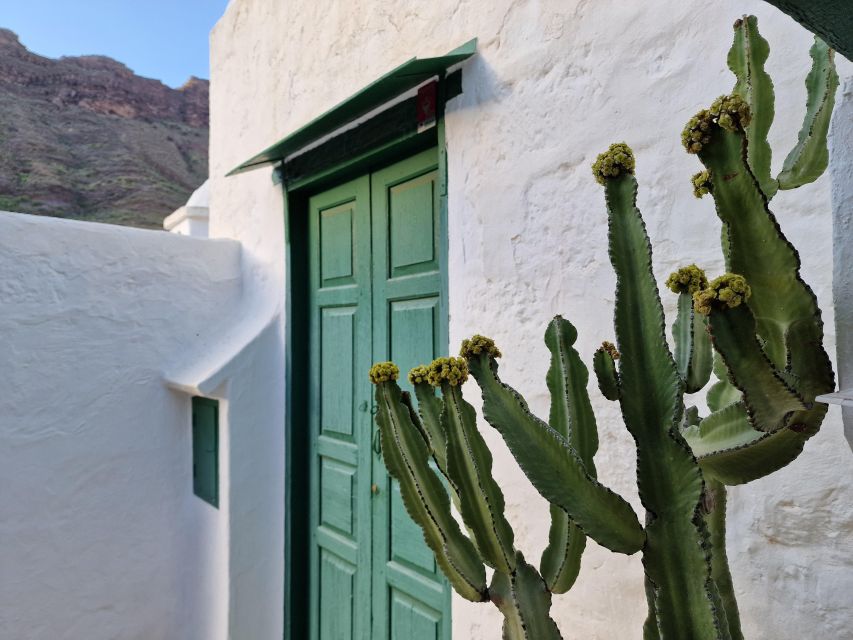
Next comes the cactus garden, and it’s not just a random collection of spiky plants. You’ll walk picturesque trails and see a big variety of cactus and other plants. It’s a good change of pace from the house, and it’s visually memorable even if you’re not a “plant person.”
Here’s what I found useful: you’re taught how cactus (tunera) fits into Canarian life and cuisine. That connection keeps it from feeling like sightseeing only. Instead of seeing cacti as decoration, you start thinking about how island growers used what the land already offered.
Keep your camera handy. The trails give you viewpoints and corners that look different at each step. If it’s warm, bring water (it’s included), and take slow pauses—shade can be limited depending on the day.
Mango Plantation Tour: Seeing How Crops Actually Grow
Then you shift from garden browsing to plantation learning. You’ll see mangoes and other crops like avocados and soursops growing in the fields. You’ll also hear how these fruits get used in Canarian cuisine, which helps you make sense of what you’re about to taste.
This part is where the tour becomes most “real.” Instead of only learning history, you’re seeing the living system that supports the local food culture. Even if you’re just passing through Gran Canaria, this is the sort of detail that makes your meals later feel more grounded. You’ll recognize flavors and ingredients because you’ve watched them grow.
Just note the physical side. The experience includes a way down to the mango plantation, and that descent is specifically mentioned as a problem area for people with mobility impairments and for baby carriages. If you’re unsure, ask yourself one question: can you handle a careful walk down and back up without needing frequent stops?
Vermouth in Mogan: How the Lolito Tasting Works
One of the most distinctive parts is the vermouth element. On the farm, they make the first vermouth in Gran Canaria, and you get the chance to see how it’s made in practice and taste it afterward.
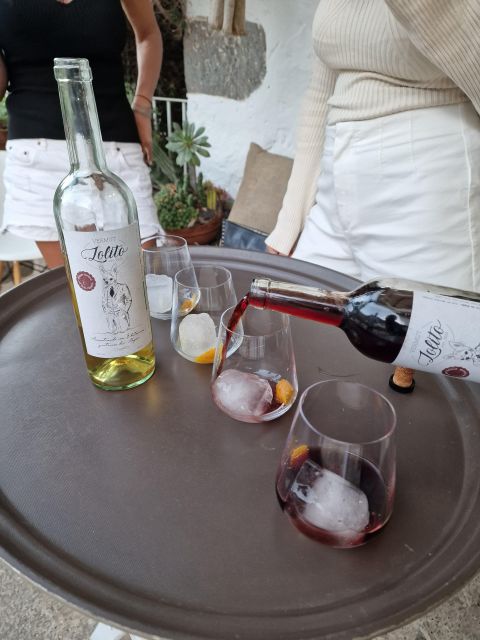
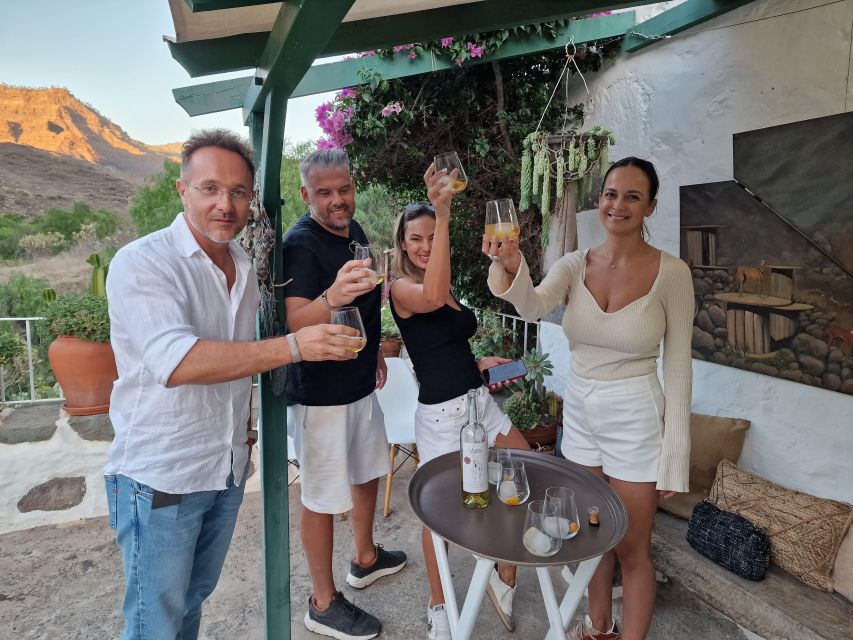
The tasting is focused and simple: you try both red and white vermouth. The product you’ll sample is Lolito, and the idea is to let your palate notice the difference rather than drown you in fancy theory. This is the kind of tasting that works even if you’re not a vermouth expert.
I also appreciate how the tour adapts. In one booking example, a parent mentioned they prepared a special non-alcoholic drink for a 13-year-old, and the child enjoyed it. That tells me the team is paying attention to who’s on the tour, not treating everyone as one-size-fits-all.
If you want a practical approach, taste slowly: first smell, then sip, then compare the red against the white. Vermouth isn’t just a drink flavor—it’s a balance, and giving your brain time makes the comparison click.
Gazpachuelo de Mango: The Dessert That Becomes a Story
You won’t just get a generic dessert. You’ll have a postre called Gazpachuelo de mango, and it’s served cold. It’s made like a chilled mango and yogurt soup, finished with chocolate cubes.
That combination is exactly why this tour sticks in your mind. It’s playful but not chaotic. The mango provides fruit sweetness, the yogurt keeps it cool and creamy, and the chocolate adds a contrasting texture and cocoa note. Even if you’re not usually a “soup for dessert” person, this one reads as intentional and island-inspired.
I like that the dessert is included in the standard experience, not tacked on as an optional add-on. And it matches the rest of the morning: fruit you saw in the plantation turns into something you taste at the end.



How the 2 Hours Actually Play Out (So You Can Plan Your Day)
The duration is about 2 hours, and it tends to feel well-paced. You start at Los Pasitos area (meeting is at the parking of the Valle de Mogán restaurant), then you spend time at the farmhouse and viewpoints, move through the cactus garden, and continue to the plantation area before finishing with food and tastings.
One thing to expect: there are multiple segments where the group will pause for photos, guided explanation, and sightseeing. That’s good. It prevents the “just move along” feeling that turns tours into a conveyor belt.
Also, this is a small group experience limited to 10 participants. Small groups are the difference between feeling like a number and actually being able to ask a question. If you travel with someone who likes details—history, farming, local ingredients—this size helps.
Price and Value: What $64 Includes (and Why It’s Reasonable)
At around $64 per person for a 2-hour tour, the value comes from what’s stacked into one visit.
Included is a private guide, water, bathroom access, a vermouth tasting (red and white Lolito), and the Gazpachuelo de mango dessert. That’s not just “you get a snack.” You get multiple experiences: historical architecture, plant-based education, a vermouth production connection, and then a dessert designed around the fruit you learned about.
You’re also not paying extra to access the core learning and tastings. The optional upgrade exists—lunch or dinner at the restaurant Valle de Mogán—but you can keep it simple if you just want the heart of the experience.
If you’re doing a short Gran Canaria itinerary, this tour is a smart use of time. Two hours is enough to feel like you changed gears, especially if your other plans are beach-focused.
Optional Lunch or Dinner at Valle de Mogán
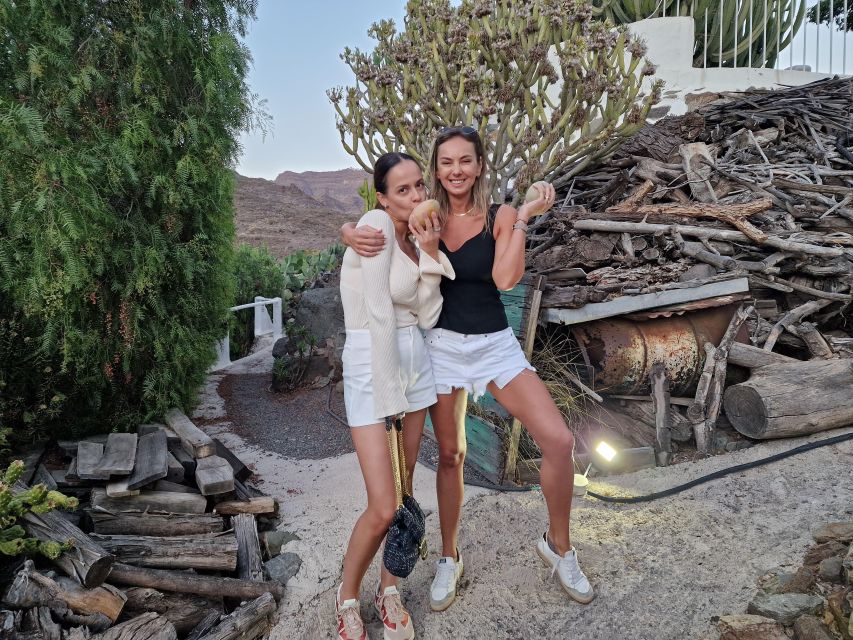
If you’re hungry (and you will be after tasting and dessert), there’s an optional lunch or dinner at the restaurant Valle de Mogán. The idea is to extend what you learned about local ingredients into a full meal using the freshest supplies.
I’d treat this as a “choose your day” option:
- If you like long, sit-down meals and want to slow down, add it.
- If your schedule is tight or you prefer a lighter day, stick with the standard tour.
Who This Tour Suits Best (And Who Should Think Twice)
This experience is a great match if you want:
- A history-meets-food stop rather than a plain sightseeing loop
- A hands-on feel for how fruit and cactus show up in Canarian cuisine
- A vermouth tasting that’s part of a local production story
It’s especially good for people who enjoy small details. In multiple examples, the guides were described as warm and welcoming and the historical and tasting parts were singled out as strong points. Guide names that came up include Tatiana and Katarina, both praised for friendly, informative guidance and a calm, attentive style.
That said, it’s not for everyone. It’s not suitable for people with heart problems, high blood pressure, or people over 95. And because of the way down to the mango plantation, it’s not suitable for baby carriages or for people with mobility impairments.
Should You Book This Mango and Vermouth Tour?
If you like food that has a backstory, I’d book it. The mix of a restored 200-year Canarian farmhouse, cactus garden walking, seeing mango and other crops grow, plus the Lolito vermouth tasting and Gazpachuelo de mango is a very “Gran Canaria in one morning” package.
Skip it if your mobility is limited or if uneven ground and a descent are difficult. Also, if you’re expecting a long, high-energy outdoor trek, this isn’t that kind of day. It’s more about guided stops, tastings, and learning at a comfortable speed.
If you can handle the walking to the plantation, this is the kind of tour that leaves you thinking about your next meal with better context.
FAQ
How long is the experience?
It lasts 2 hours.
What is the meeting point?
You meet at the parking of the Valle de Mogán restaurant. Your guide will be wearing a black jacket.
What tastings and food are included?
You get a vermouth tasting of Lolito (red and white) and the included dessert called Gazpachuelo de mango.
Do I need to pay extra for lunch or dinner?
Lunch or dinner at the Valle de Mogán restaurant is optional. It is not included in the standard package.
What group size is it?
It’s a small group, limited to 10 participants.
What languages are available?
The live tour guide is available in English, Spanish, and Russian.
Is the tour suitable for wheelchairs?
The activity is described as wheelchair accessible, but it’s also noted as not suitable for disabled people on the way down to the mango plantation.
Who should not book due to health or age limits?
It’s listed as not suitable for people with heart problems, people with high blood pressure, and people over 95 years.
The Island, Century by Century
- Full-Day Tour Exploring History, Nature and Aloe Vera Farm★ 4.5 · 40 reviews
- Gran Canaria Historic Tour – Yestarday and Today Premium★ 4.0 · 10 reviews
More of the Gran Canaria Ledger
- Gran Canaria: Catamaran Dolphin Watch Cruise with Snorkeling★ 4.4 · 4,761 reviews
- Maspalomas: Guided Camel Ride in the Maspalomas Sand Dunes★ 4.4 · 4,526 reviews
- Poema del Mar Skip-the-Line Ticket★ 4.8 · 3,856 reviews
- Puerto de Mogán: Submarine Tour★ 4.4 · 3,792 reviews
Fresh on the Gran Canaria List
- Gran Canaria: Highlights & hidden gems with Sky Rebels
★ 5.0 · 3 reviews - Escape room “The gratest show on earth” at Holidayworld
★ 3.9 · 3 reviews - Wanderungen im grünen Gran Canaria
★ 5.0 · 3 reviews - 2 hours Double Pass Spa Circuit in Hotel Don Gregory
★ 3.5 · 3 reviews - Las Palmas Maspalomas Gran Canaria Salsa Lovers Dance Experience
★ 5.0 · 3 reviews - Traditional Market Day and San Mateo & Teror
★ 3.5 · 3 reviews