
Reviewed · GRAN CANARIA
Gran Canaria Tour: Past and Present
Gran Canaria has a past you can drive through. I really love the Guayadeque Valley cave dwellings and the big panoramic bus route through the mid-mountains, where the island changes fast. One watch-out: if you get picked up early or from far out, the day can feel a bit bus-heavy and rushed.
I enjoyed how the guide, Tom, stayed informative all day and explained what you’re seeing in more than one language as you move up and down the island. You also get time to hop out in Teror and Valleseco, instead of just staring out a window the whole time. Still, the pacing can be tight if you prefer slow travel and long lunch breaks.
At about $58 per person for an all-day guided loop, this is a solid value if you want variety in one day: indigenous life, church-town charm, volcanic landmarks, and a hands-on stop for the famous aloe plant. Bring comfortable shoes and a windbreaker, because altitude and canyon weather can feel different fast.
In This Review
- Key things to know before you go
- Your day starts with a real shift in scenery
- Guayadeque Valley: cave dwellings that make the past feel physical
- Teror: Basilica of Our Lady of the Pine and classic Canarian town life
- Valleseco in Las Medianías: a midlands break with time to breathe
- Roque Nublo: sacred volcanic rock, and why the view matters
- Panoramic Middle Mountain bus routing: why your seat choice can matter
- Fataga’s Valley of the Thousand Palms and the aloe vera estate
- Price and logistics: is $58 worth an 8-hour bus day?
- What it’s really like with a multilingual guide
- Who this tour suits best
- Should you book Gran Canaria Past and Present?
Key things to know before you go
- Guayadeque Valley cave houses: see homes connected to pre-Hispanic habitation in a protected natural setting
- Teror’s Basilica area: a classic Canarian town stop with the Basilica of Our Lady of the Pine
- Valleseco midlands free time: walk a bit in a protected natural space and plan your own lunch
- Roque Nublo sacred rock: a volcanic formation tied to ancient islanders and a modern Gran Canaria symbol
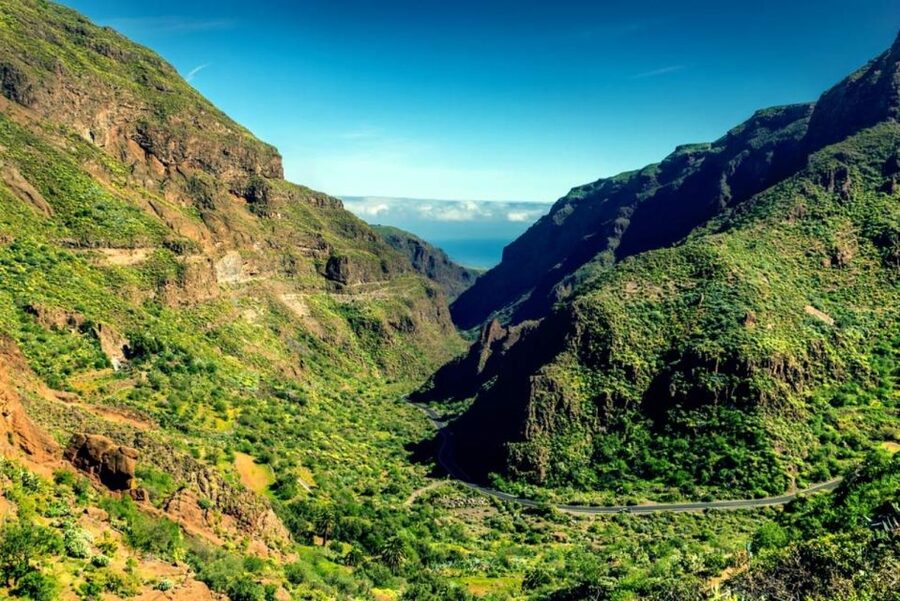
- Fataga’s Valley of the Thousand Palms: return through a dramatic canyon view corridor
- Aloe vera estate visit: a dedicated stop to learn about the plant and its claimed benefits
Your day starts with a real shift in scenery
The tour begins with pickup from a cluster of popular southern bases like Playa del Inglés, Maspalomas, Costa Meloneras, San Agustín, Bahía Feliz, Taurito, and Puerto Mogán. There’s a good chance you’ll spend the first chunk of the morning getting out of the resort zone and climbing toward the island’s interior.
What I like about this setup is simple: you’re not just sightseeing within one coastal bubble. The ride is part of the experience, because you’ll see the island’s layers—towns, farmland, and mountain routes—stack up as you go. The bus itself is guided, so you’re not left guessing what you’re looking at.
Also, there’s a practical detail worth keeping in mind: one departure covered a lot of driving distance in a single day, and the roads can be narrow in places. If you’re the type who gets antsy on winding roads, pack comfort items and expect the bus time to be substantial.
Not decided yet? These are the Gran Canaria trips people book first.

Guayadeque Valley: cave dwellings that make the past feel physical
Your first major history stop is Guayadeque Valley, a Natural Monument known for cave dwellings. This is one of those places where it’s hard to keep it theoretical. The caves aren’t a museum display behind glass; they’re part of a real landscape where habitation happened long ago.
Here’s why this stop is genuinely valuable for your understanding of Gran Canaria: caves are not just a quirky attraction. In a volcanic island like this, the landscape shaped how people lived—temperature control, sheltered spaces, and a connection to the environment that feels more logical once you see the setting.
After you arrive, you’ll be able to take it in with a guide’s context, then move on. What you should do for yourself is straightforward: wear shoes you trust and give yourself a moment before the explanations start fully flowing. Once you get your bearings, the story sticks better.
If you’re short on time, I still think this is one of the best “stop-to-stop” experiences on the route because it’s memorable on sight and on meaning.
Teror: Basilica of Our Lady of the Pine and classic Canarian town life
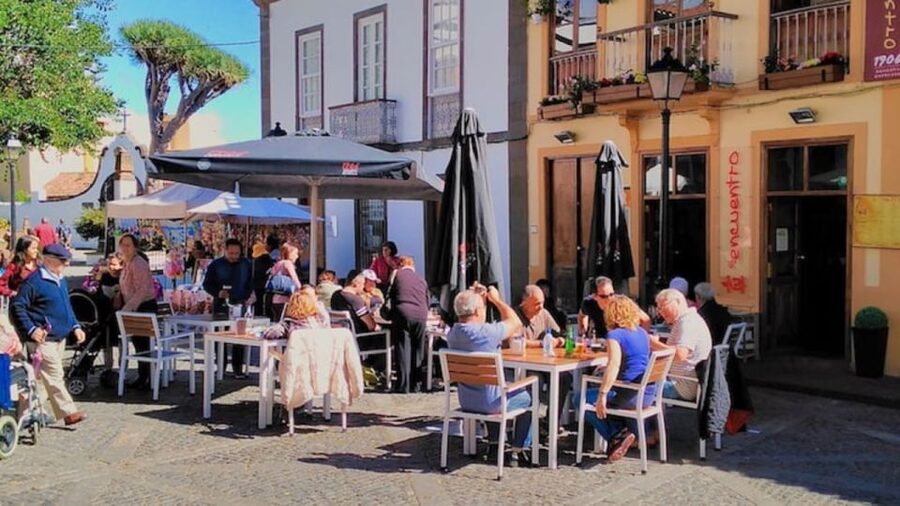
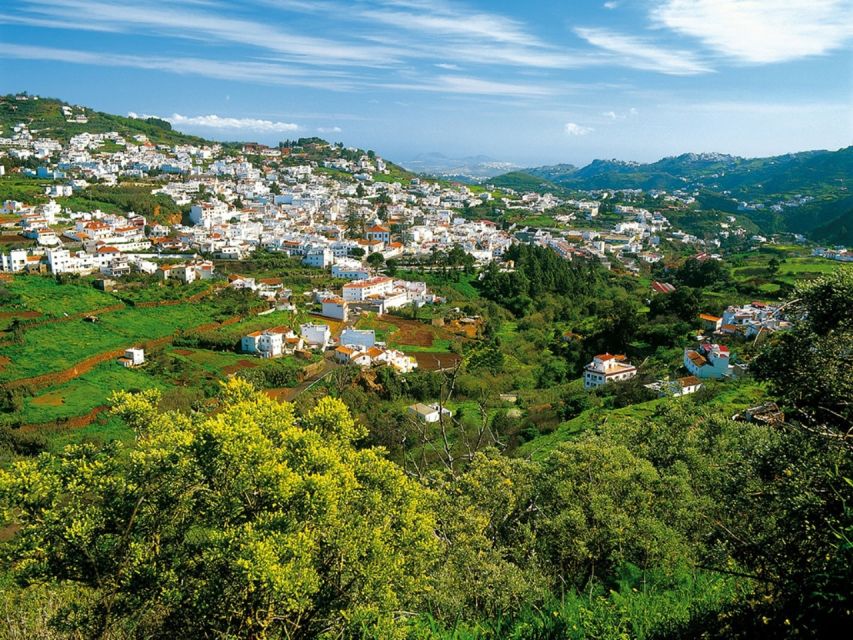
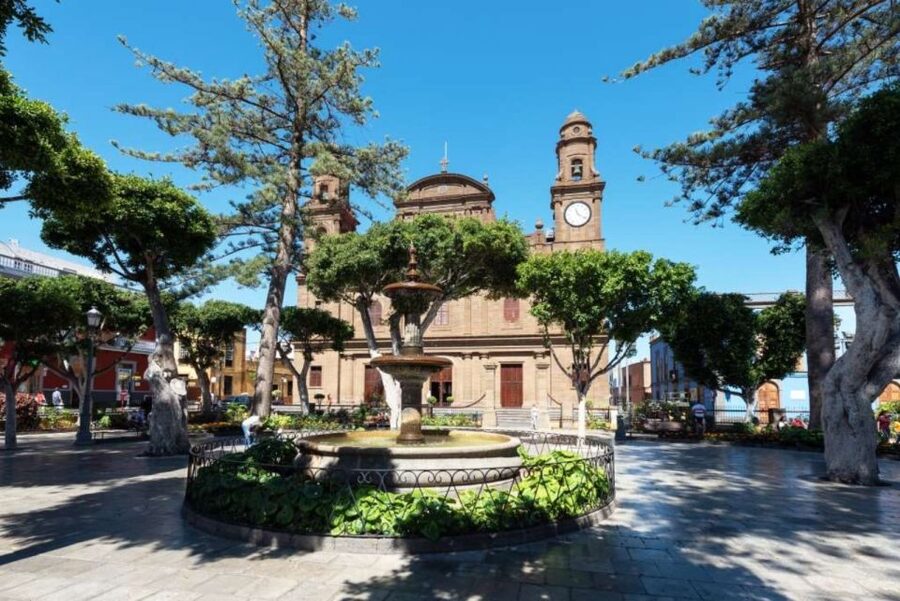
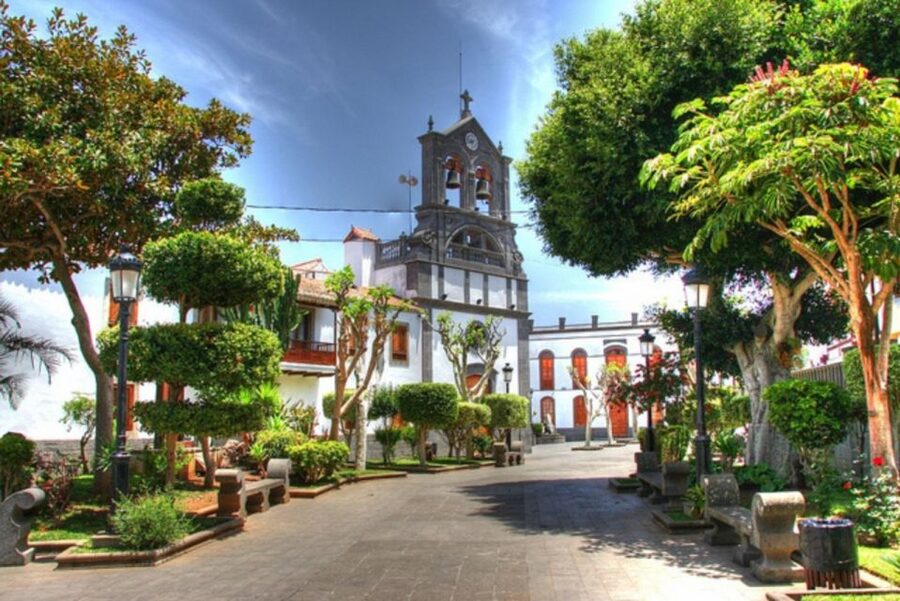
Next up is Teror, a pretty town stop with a big anchor landmark: the Basilica of Our Lady of the Pine. For many people, a church is just a photo moment. Here, it works better because the town itself—its feel, its buildings, its slower rhythm—helps you understand why Teror matters beyond the church facade.
You’ll also spot Canarian-style manor houses, which add texture to the walk. This isn’t only about one building; it’s about how the town looks and how people likely move through it day to day.
The best way to enjoy Teror is to do a quick loop: get the views of the main church area first, then wander toward the side streets. If you’re trying to squeeze this stop into a tight schedule, you’ll miss the quiet charm. But if you give yourself even a short roam, it feels like you’ve landed somewhere more “Gran Canaria” than “tourist Gran Canaria.”
Valleseco in Las Medianías: a midlands break with time to breathe
Between the more iconic sights, the tour crosses the island’s midlands, often called Las Medianías—a fertile agricultural and livestock area known for lush vegetation as you ascend. This is where the island starts to feel less like a resort map and more like working countryside.
You’ll reach Valleseco, described as a protected natural space, and you get free time here. That open block matters because it’s your chance to slow down just a bit, step away from the bus routine, and choose your own pace.
Lunch is on your own at this stop (it’s not included), so I recommend using this time with intention. If you want a proper meal, arrive hungry and have a simple plan: grab something nearby and then take a short walk to reset.
One thing to watch: the tour overall can feel hurry-up at certain times of the day. Valleseco is where you can fix that for yourself by using the freedom well—walk, eat, and don’t rush your photos.
Roque Nublo: sacred volcanic rock, and why the view matters
After Valleseco, the tour heads toward one of Gran Canaria’s most famous symbols: the Roque Nublo area. This volcanic rock formation holds sacred significance for the ancient islanders and remains a present-day symbol of Gran Canaria.
Even if you’ve seen pictures of Roque Nublo before, being there in person is different. It reads as a landmark because the shape is bold and the context is large. You’re also higher up than the coast, so the sense of openness and distance can hit you quickly.
What I find useful here is thinking about why the guide’s explanations matter. Sacred meaning isn’t just “interesting history.” It changes how you look at the rock and the surrounding slopes. You start noticing how the formation sits in the broader volcanic world—less like a random boulder and more like something people would naturally center in their lives.
This is also a great stop for photos, but don’t treat it like a 30-second pit stop. Even a slow minute makes the scene click.

Panoramic Middle Mountain bus routing: why your seat choice can matter
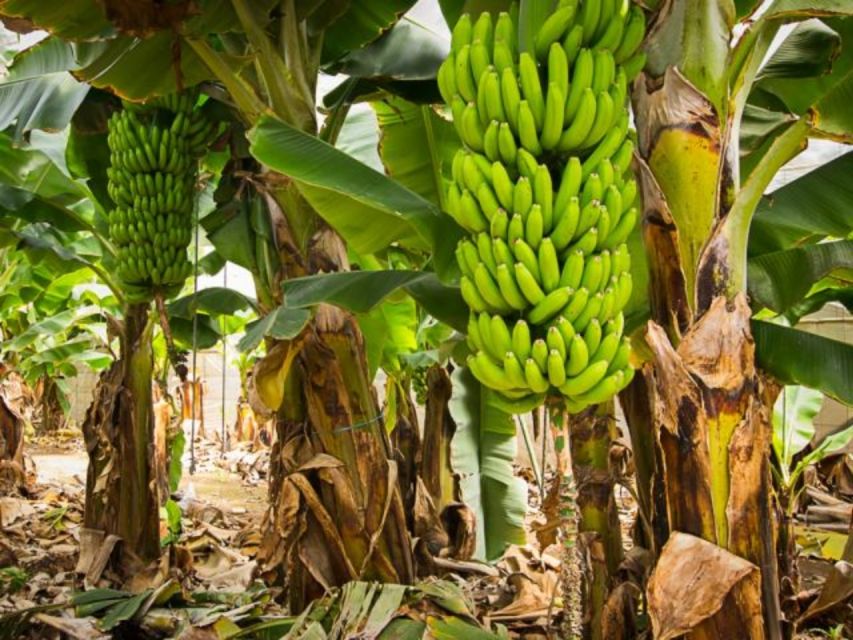
A major component of this tour is the bus ride through the Middle Mountain Region, with panoramic viewpoints along the way. You’ll also see banana plantations of Arucas from the bus before arriving at Teror.
This kind of routing is underrated because it’s not just transportation. The bus allows you to cover distance efficiently while still giving you visual payoffs as the terrain changes. You’re going ocean-to-mountain, not just hopping between two towns.
If you care about photos, you should be flexible. The tour doesn’t spell out which side of the bus is best, but the general idea is clear: you want the side where the viewpoints and plantations show up. When the driver stops or slows for a view, get your camera ready immediately. These moments can pass faster than you expect.
And don’t forget the practical side of riding: the bus driver needs confidence on narrower roads, and one of the more positive comments about the experience was exactly that—experienced driving in tricky areas. It’s one of those “you only notice it when it’s done well” details.
Fataga’s Valley of the Thousand Palms and the aloe vera estate
On the return leg, the tour goes through the canyon of the Valley of the Thousand Palms (Fataga). A canyon stop works well late in the day because it can feel dramatic after you’ve been moving between towns and viewpoints. The valley’s name isn’t subtle, either—this is the kind of place where you’ll remember the shapes and the narrowing of the route.
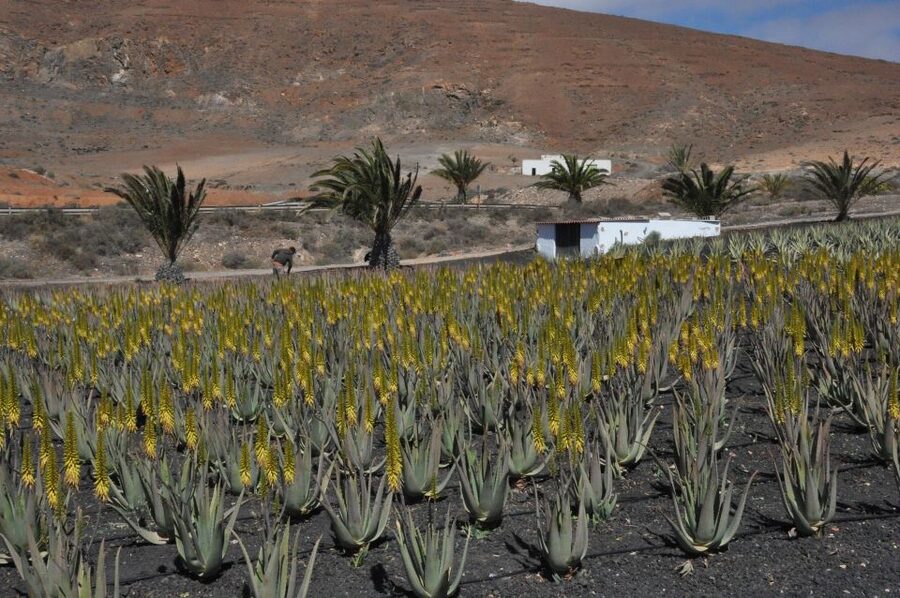
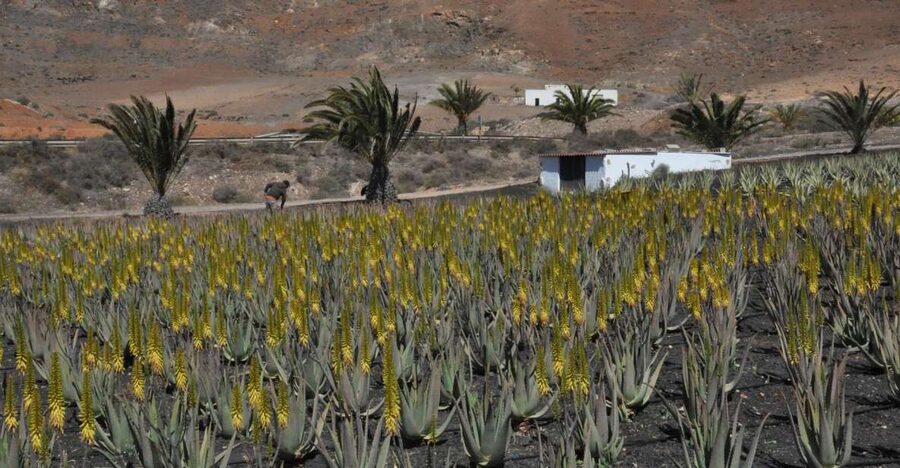
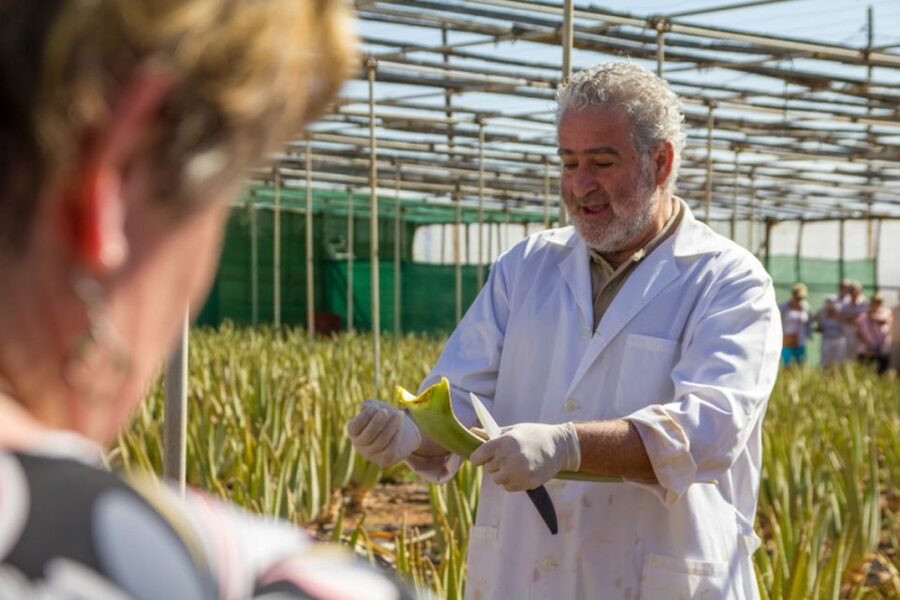
Then comes the Aloe Vera estate visit. This isn’t just a logo on a bottle. The tour includes a stop specifically tied to learning about the aloe plant and its benefits, and that makes the whole day feel more complete. You get history and nature on the route, then finish with a local product story that’s part of the island’s modern identity.
For this stop, treat it like any good farm visit: ask questions where you can, watch how they explain the plant, and don’t rush your notes if you like to learn. Even a short structured visit can give you better context the next time you see aloe in shops.
Price and logistics: is $58 worth an 8-hour bus day?
Let’s talk value in plain terms. You’re paying about $58 per person for an 8-hour guided tour with pickup from multiple southern areas, and the itinerary includes several major stops: Guayadeque with cave houses, Teror, Roque Nublo area, Tunte, Valleseco free time, a panoramic mountain bus route, plus an aloe vera estate visit.
That’s a lot of “included structure” for one ticket. You’re not organizing transport between dispersed sights, and you’re not trying to interpret landmarks alone. For many travelers, this alone is worth the price.
But here’s the honest trade-off: it can be hectic. A full day with multiple languages, multiple stops, and multiple towns means you’re moving most of the day. If you’re traveling with a strict lunch schedule or you hate rushing, you’ll feel it.
Also, pickup logistics can add time on the bus. One traveler experienced a late return because pickup/drop-off took longer across different areas. I can’t predict your exact end time, but you should assume the “out and back” loop can run later than you expect if your stop is farthest from the bus’s first/last route.
So I’d frame it like this:
- If you want a big overview with guidance and don’t mind buses, the price feels fair.
- If you want a slow, flexible day with minimal driving, you may want to choose a smaller, more focused option.
What it’s really like with a multilingual guide
The tour runs with a live local guide in Spanish, English, and German. One standout thing from the better experiences is how much effort goes into explaining during the whole day.
That said, language balance can vary. One comment highlighted that switching between German and English felt confusing, and that the guide seemed to give more detail to German. If English or Spanish is your main language, I’d plan for a little variability and accept that during a long day you might not catch every sentence perfectly.
You can improve your odds by doing two things:
- Take a quick photo of key signage at each stop, then use the guide explanation to fill in the story.
- Ask a simple follow-up question when there’s a moment. In small windows of time, a guide can usually clarify what you missed.
Who this tour suits best
This experience fits best if you want a single-day overview of Gran Canaria beyond the beaches. It’s ideal for:
- First-time visitors who want the island’s geography in one day, from coastal areas up to mountain viewpoints
- Travelers who enjoy guided context at each stop, not just photo stops
- People who like variety: caves, town charm, volcanic symbols, canyon scenery, and a farm/product visit
It’s less ideal if:
- You hate bus time or you need long meals and slow wandering
- You’re very sensitive to schedule changes from pickup/drop-off
If you’re the type who likes to tick off a range of sights with minimal planning, you’ll likely enjoy the structure.
Should you book Gran Canaria Past and Present?
I’d book it if your goal is a guided, high-variety history-and-views day. The Guayadeque cave dwellings plus the Roque Nublo stop give you real “Gran Canaria core” moments, and the panoramic mountain routing makes the journey part of the point. The add-on aloe vera estate also feels like a good cultural anchor for how the island sells and values local plants today.
I would pause before booking if you know you get stressed by tight schedules or you’re picky about language clarity throughout the day. In that case, you might prefer a shorter, more focused route so you control the pace.
If you do book, pack your day for walking (solid shoes) and shifting weather (a windbreaker). Then treat Valleseco like your reset button: use the free time to slow down, eat well, and let the midlands breathe a bit.
More of the Gran Canaria Ledger
- Gran Canaria: Catamaran Dolphin Watch Cruise with Snorkeling★ 4.4 · 4,761 reviews
- Maspalomas: Guided Camel Ride in the Maspalomas Sand Dunes★ 4.4 · 4,526 reviews
- Poema del Mar Skip-the-Line Ticket★ 4.8 · 3,856 reviews
- Puerto de Mogán: Submarine Tour★ 4.4 · 3,792 reviews
Fresh on the Gran Canaria List
- Gran Canaria: Highlights & hidden gems with Sky Rebels
★ 5.0 · 3 reviews - Escape room “The gratest show on earth” at Holidayworld
★ 3.9 · 3 reviews - Wanderungen im grünen Gran Canaria
★ 5.0 · 3 reviews - 2 hours Double Pass Spa Circuit in Hotel Don Gregory
★ 3.5 · 3 reviews - Las Palmas Maspalomas Gran Canaria Salsa Lovers Dance Experience
★ 5.0 · 3 reviews - Traditional Market Day and San Mateo & Teror
★ 3.5 · 3 reviews