
Reviewed · SEA CAVE KAYAKING & SUP
Kayak por las cuevas y acantilados de Mogan
Mysterious caves, open ocean, and a beach break. This half-day sea kayaking trip turns Gran Canaria’s southwest coast into one long, moving view—cliffs, rocks, and the chance to slip into sea caves. You start with safety gear and simple instruction, then paddle your way toward little beaches and a stop on Tiritaña.
What I like most is the mix: you get the real work of kayaking with a guide steering you through caves when conditions allow, and then you land on a sandy stretch where you can actually enjoy the water. The other big win is the picnic and the guide-run photo time, so you’re not stuck worrying about cameras while you’re on the sea.
One thing to keep in mind: your paddling is all arm power. The kayaks have no engine, so if you’re not comfortable with sustained effort (and possible waves), choose your pace early and plan on working.
In This Review
- Key takeaways before you paddle
- Taurito Meeting Point: safety gear, a clear start, and what you’ll do first
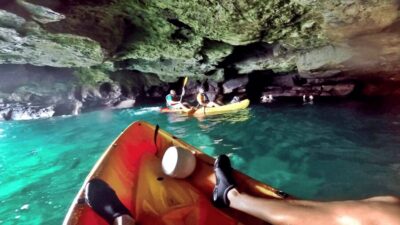
- Paddling Mogan’s cliffs and chasing sea caves like a pirate
- The Tiritaña virgin beach stop: swim, snorkel time, and easy seaside games
- What’s included (and what you need to bring) for a smooth day
- Price and value: is $73 worth it for 4 hours on the water?
- How hard is the paddling really? (and what to do if it gets choppy)
- Who should book this kayaking trip, and who should pause for a moment
- Should you book Kayak por las cuevas y acantilados de Mogan?
- FAQ
- Where is the meeting point for the kayaking trip?
- How long is the experience?
- What’s included with the tour price?
- Do I need to bring snorkeling gear?
- Will we definitely enter sea caves?
- What happens during the beach stop at Tiritaña?
- What food do you get during the picnic?
- Is sun protection included?
- What languages are the guides?
- What’s the cancellation policy and pay-later option?
Key takeaways before you paddle
- Taurito start and guided pacing: You meet at the Taurito ramp, get safety gear, then ease into the route with an English-speaking guide.
- Sea caves depend on conditions: You may enter different caves depending on the water, so don’t expect the exact same cave plan every day.
- Tiritaña is the payoff beach: A longer break on one of the island’s last virgin beaches for swimming, rest, and casual games.
- Picnic hits at the right time: Fruit, chocolates, nuts, biscuits, and water keep the energy up when your arms start to feel it.
- Your guide handles the photos: You’ll take fewer risks with phones and get pictures afterward.
- Expect sun to be on you: Sun protection isn’t included, and you’ll be outside for the whole 4-hour window.
Taurito Meeting Point: safety gear, a clear start, and what you’ll do first
This tour begins at Taurito beach, at the ramp down to the water near the end of the avenue. Look for the kayaks and the guide wearing a green shirt. It’s a good, practical setup because you can spot the group quickly and get your bearings fast before you’re in wetsuit-mode (which you won’t be, but you will be in full sun and sea-air mode).
Once everyone’s together, you’ll get the required equipment: kayak, paddle, lifejacket, and a waterproof bag. You also get safety instructions before you put the boat in the water. This matters more than it sounds. Sea kayaking is calm until it isn’t, and the guide’s job is to keep you moving as a group and handling the rocky coastline safely.
Then you start paddling across the cliff line area—no motors, no shortcuts. The route’s first movement is toward a first stop where you can begin to appreciate how the coastline changes as you get closer to the rocks. You’ll feel it quickly: your rhythm has to be steady, and your steering comes from how you paddle on each side.
If you’re the type who likes structure, you’ll appreciate that it’s guided end-to-end. If you’re the type who hates waiting, the good news is the time is spent actively—gear up, brief instruction, then you’re on the water.
Into the sea caves at Mogan, more paddles
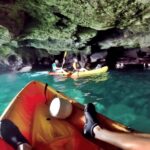
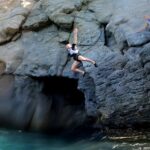
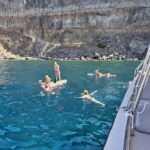
Paddling Mogan’s cliffs and chasing sea caves like a pirate
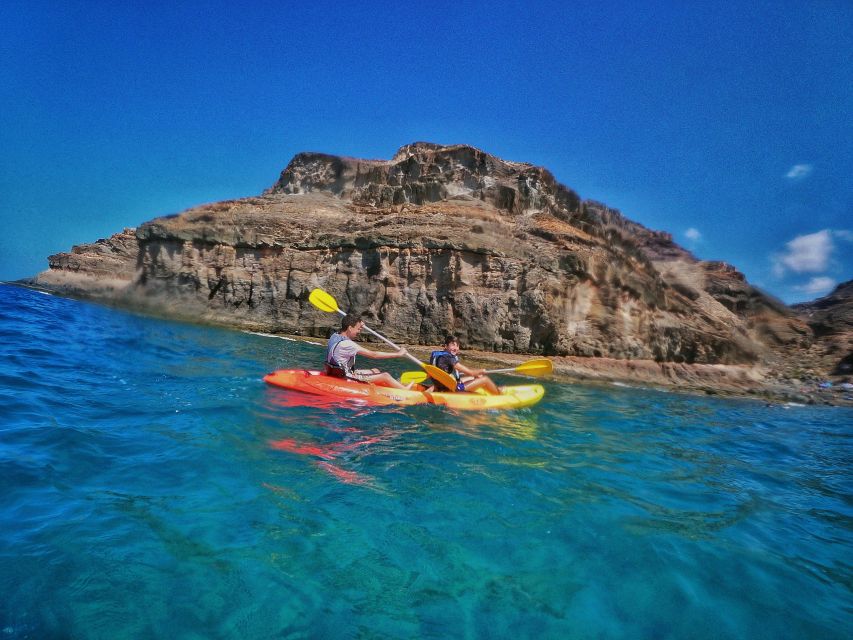
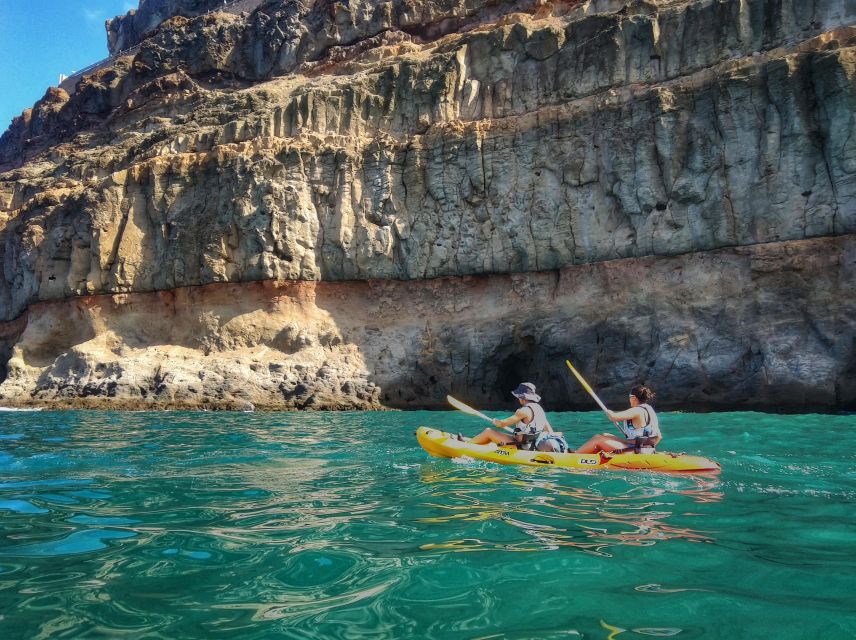
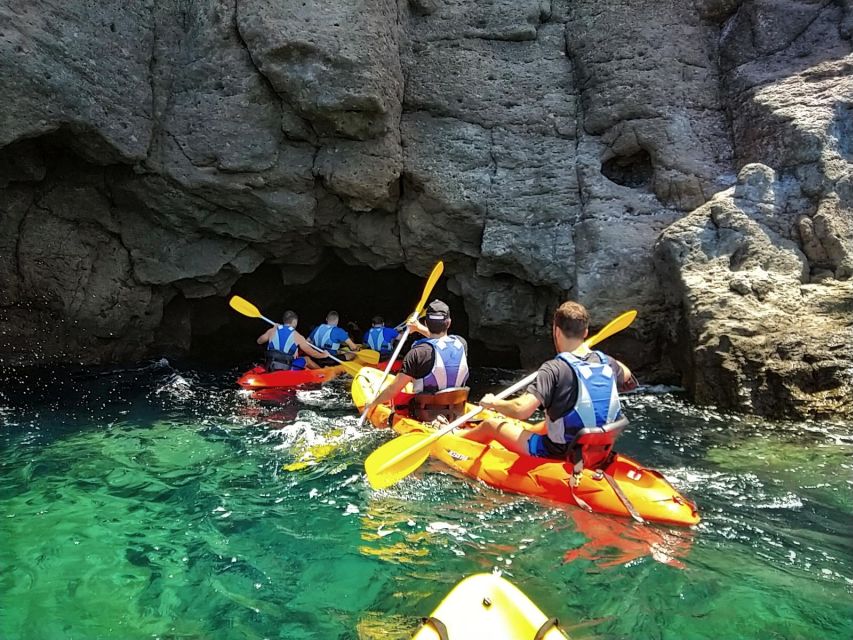
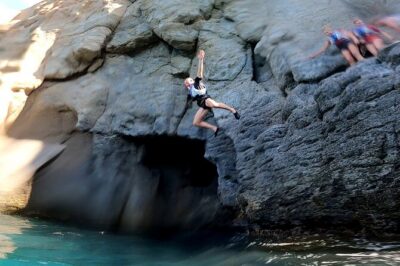
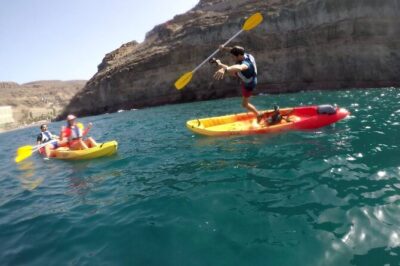
After launch, the whole point is to kayak along the cliff and caves of Gran Canaria. The vibe is part adventure and part sightseeing: you’re not just looking from shore. You’re moving past rocky sections where the sea has carved openings and overhangs.
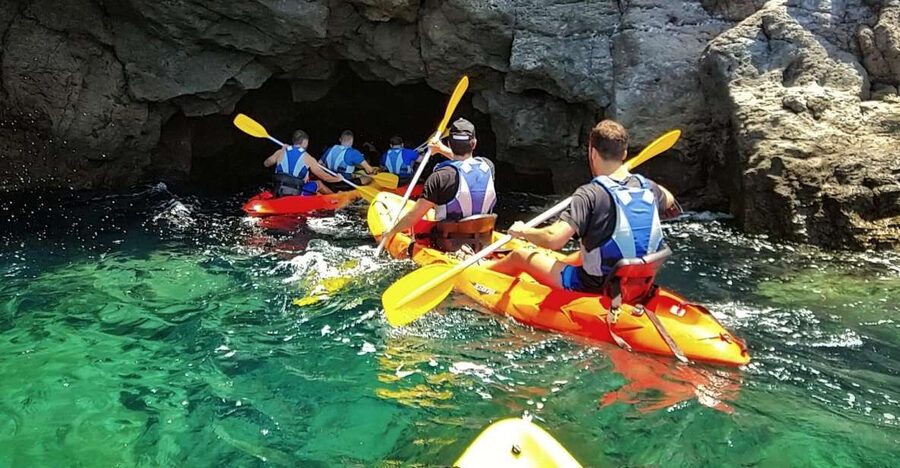
The tour is designed around sea caves, but here’s the honest part: whether you can enter caves depends on the sea conditions. That means some days you’ll go into more caves; other days you might only approach certain cave mouths. You’re still getting the experience of paddling through the rock-lined coastline, but cave access can vary.
The route also tracks the south-west coast and its smaller beaches. That’s important because it breaks up the effort. Instead of long, uninterrupted stretches of paddling, you’re continually changing direction, watching cliff walls slide by, and orienting yourself to new views.
I also like that the guide adjusts for different abilities. One useful detail from the experience is that the guide may offer different options depending on who’s in the group—so if you’re comfortable, you might be encouraged to try more challenging areas. If you’re less confident, you’ll still be able to participate and enjoy the scenery without feeling like you’re behind the boat.
You should assume you’ll get close enough to understand the scale of the coastline. These aren’t abstract postcard cliffs. From the water level, you see how narrow some inlets are and how much the rock shapes the path of waves.
The Tiritaña virgin beach stop: swim, snorkel time, and easy seaside games
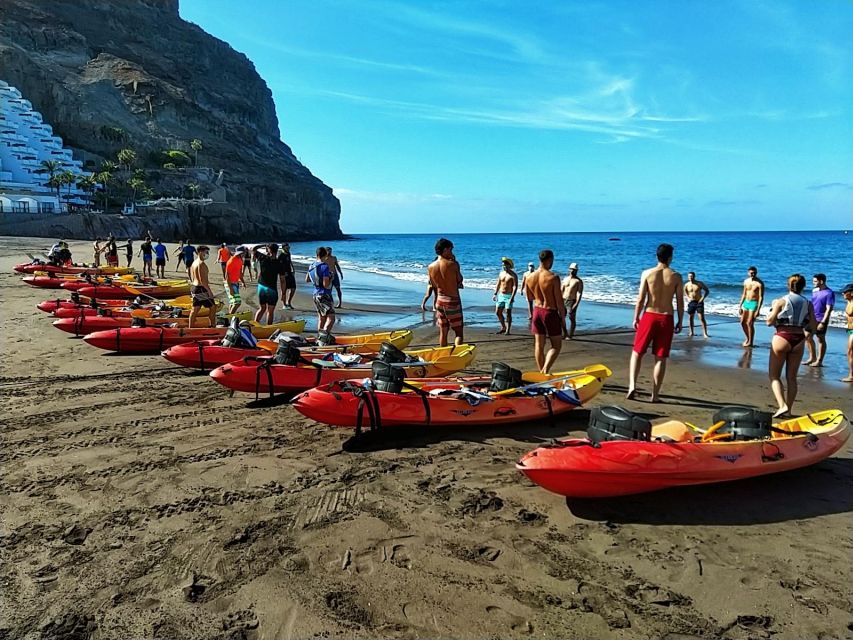
The best moment is often when you stop paddling and start fully living the break. The tour heads to Tiritaña, described as one of the island’s last virgin beaches. You reach it after paddling past the smaller coastal beaches on the southwest side, and then you get free time.
This is your chance to cool down and reset. You can swim, lay on the sand, and rest. There’s also time to play. Depending on what’s going on in your group, you might join beach games like beach tennis, frisbee, and there’s time marked for snorkeling as well.
A simple but smart detail is the snorkel-friendly downtime. Even if you’re not a hardcore snorkeler, a short session is the best way to experience the water around the coastline without turning it into a separate trip. Keep your focus on the basics: buoyancy, calm movement, and listening to any guidance your guide gives.
Food arrives too—this stop isn’t just a rest point. You’ll be served a picnic with fruit, chocolates, nuts, biscuits, and water. In real life, that kind of food mix is exactly what you want. After paddling, you want something quick for energy and something that won’t taste bland after salt air.
If you’re traveling with kids, this is also a good part of the day. The description is beach-centered and the group activity vibe is casual, but you still need children who can handle swimming time. And if your kids get cold, that picnic and the break on sand are the natural warm-up reset.
What’s included (and what you need to bring) for a smooth day
For the price, the tour is structured around “everything you need to paddle.” Included are the kayak, paddle, lifejacket, waterproof bag, insurance, an English-speaking guide, pictures, and the picnic.
That’s a strong value pattern because it removes the annoying checklist. You’re not renting gear on the spot, and you’re covered with insurance during the activity. The waterproof bag also helps you keep essentials safe while you paddle.
Two “bring it yourself” items matter most. First: beachwear is the only explicitly stated requirement. Second: sun protection isn’t included. The day is mostly outdoors, and you’ll be exposed from the water to the beach. I’d treat sunscreen like a non-negotiable, not an optional extra.
Phones are a tricky topic on kayaking days. In one firsthand experience shared, the guide didn’t recommend bringing personal phones out on the water and instead took photos themselves. Even if you get a waterproof bag, it’s still worth listening to what your guide recommends. The point of the guide photo service is that you can enjoy the cave moments without trying to record everything.
You’ll also want a mindset change. This is not a “sit back and cruise” trip. The kayaks have no other engine besides your arms, so effort is part of the deal. If you’ve paddled before, great. If you haven’t, you’ll still likely manage with guidance, but you should pace yourself from the start.
Price and value: is $73 worth it for 4 hours on the water?
At about $73 per person for a 4-hour half-day, the value comes from what you get, not from the views alone. You’re paying for:
- A guided experience through cliffs and sea caves
- Safety equipment plus insurance
- Transport to the water experience via the activity setup
- A proper picnic (not just snacks)
- Pictures taken by the guide
A lot of short tours charge extra for gear and photos. Here, those are included, which helps if you’re traveling with a group or you don’t want to coordinate rentals. The day also includes more than kayaking: you get a real beach interval at Tiritaña with swimming, snorkeling time, and casual games.
Is it perfect value for everyone? Not if you’re only interested in caves. Cave entry can vary with sea conditions, so you might see more coastline than interior cave passages on a day with higher water. If you’re that type of buyer, you should accept the plan can be flexible.
Also, if you’re someone who hates any kind of waiting, pay attention to how active the day feels once you arrive. On one occasion, a mix-up in the reservation system delayed the start and led to lost time. That’s not the “normal flow” you should plan around, but it’s a good reason to arrive early and confirm your day-of timing.
Overall, though, for a guided, gear-included ocean paddle plus beach time plus picnic plus photos, it’s priced like an experience that wants you to finish the day feeling cared for rather than just “delivered to a spot.”


How hard is the paddling really? (and what to do if it gets choppy)
The kayak setup is human-powered, and the route is coastal. That means you should be ready for effort. The kayaks have no engine other than your arms, so your stamina matters. You don’t need to be an athlete to enjoy it, but you do need to be willing to use your arms consistently.
The good news: kayaking on this coast can still be manageable for less experienced people when you follow the guide’s pace. One shared experience noted that waves were stronger than expected, yet the kayaks remained controllable even for someone less familiar with kayaking. That’s the kind of reality check you want before you book.
If conditions feel rough, your best move is simple:
- Keep your strokes steady rather than frantic.
- Stay relaxed and let the guide’s plan set the tempo.
- Focus on staying together as a group.
You’ll also likely spend time moving along the cliffline and around rocky sections, which means occasional jostling. That’s normal. What isn’t normal is ignoring how you feel—if you’re tired, say so early. Guides generally build the trip around safe group movement, not individual heroics.
One more practical note: pack your expectations. You’re not getting a quiet, glassy-lake experience. You’re on the coast, and the sea can shift. The tour’s cave plan reflects that.
Who should book this kayaking trip, and who should pause for a moment
This trip fits best if you want a true coastal adventure without committing to a full-day expedition. You’ll get:
- A guided kayak route with cliffs and sea caves (when conditions allow)
- A break on Tiritaña for swimming and snorkeling time
- A picnic that makes the day feel complete
You’ll also like it if you prefer “active sightseeing.” Instead of walking to viewpoints, you’re seeing the coast from the water. That’s a different perspective, and it’s one you can’t recreate with photos from shore.
You might want to think twice if:
- You know you’re not comfortable with paddling effort on open water.
- You’re only interested in cave interiors, because access can vary with wave and water height.
- You dislike any additional activities that might show up as part of the day. One experience described a lot of time spent on a zipline activity. That doesn’t appear in the core tour description you’re given, so treat it as a “might happen” element rather than a guaranteed promise.
If you’re traveling as a family, this can work well. The tour has a beach payoff, and the kayaking is guided. Just match the child’s comfort with swimming and water time, and follow the guide’s safety rules closely.
Should you book Kayak por las cuevas y acantilados de Mogan?
I’d book this if your ideal Gran Canaria day looks like this: paddling along dramatic cliffs, a realistic chance of sea caves, and then a relaxed beach break with snacks, swimming, and a bit of play. The inclusion list—lifejacket, waterproof bag, insurance, picnic, and guide photos—makes the day feel genuinely packaged, not like you’re paying for the idea and handling the rest yourself.
You should hesitate if you’re looking for guaranteed cave entry every time, or if you’re not ready to use your arms for a full half-day. Also, do a quick common-sense check the morning of your tour so you’re not caught off guard if something goes wrong on the day.
If you do go, bring beachwear, pack sun protection, and listen to the guide about what to bring into the water. That’s the simplest way to turn a good plan into a great day on Mogan’s coast.
FAQ
Where is the meeting point for the kayaking trip?
You meet at the ramp down to Taurito beach, at the end of the avenue. You should look for the kayaks and the guide wearing a green shirt.
How long is the experience?
The tour runs for about 4 hours.
What’s included with the tour price?
You get the kayak and paddle, lifejacket, waterproof bag, insurance, an English-speaking guide, pictures, and a picnic.
Do I need to bring snorkeling gear?
The schedule includes time to play and snorkel at the beach, but the tour info only explicitly lists kayaking gear and a waterproof bag. You should follow what the guide tells you on the day.
Will we definitely enter sea caves?
You can visit sea caves, but entry into different caves depends on sea conditions.
What happens during the beach stop at Tiritaña?
You get free time to swim, rest on the sand, and you may also play beach tennis or frisbee. There’s also time marked for snorkeling.
What food do you get during the picnic?
The picnic includes fruit, chocolates, nuts, biscuits, and water.
Is sun protection included?
No. Sun protection is not included, so plan to bring sunscreen or other sun gear.
What languages are the guides?
The tour is offered in English and Spanish.
What’s the cancellation policy and pay-later option?
You can cancel up to 24 hours in advance for a full refund. You can also reserve now and pay later.
More of the Gran Canaria Ledger
- Gran Canaria: Catamaran Dolphin Watch Cruise with Snorkeling★ 4.4 · 4,761 reviews
- Maspalomas: Guided Camel Ride in the Maspalomas Sand Dunes★ 4.4 · 4,526 reviews
- Poema del Mar Skip-the-Line Ticket★ 4.8 · 3,856 reviews
- Puerto de Mogán: Submarine Tour★ 4.4 · 3,792 reviews
Paddling the Mogan Sea Caves
- Puerto Mogán: Guided Adventure Kayak Tour in Caves & Snorkel★ 4.8 · 370 reviews
- Mogán: Guided Kayak to Caves and Snorkeling Tour★ 4.6 · 329 reviews
- Kayaking Adventure Route with Snorkeling in Mogan Caves★ 5.0 · 316 reviews
- Puerto Rico, Gran Canaria: boat trip, drinks, food, paddle surfing, snorkeling★ 4.6 · 310 reviews
Fresh on the Gran Canaria List
- Gran Canaria: Highlights & hidden gems with Sky Rebels
★ 5.0 · 3 reviews - Escape room “The gratest show on earth” at Holidayworld
★ 3.9 · 3 reviews - Wanderungen im grünen Gran Canaria
★ 5.0 · 3 reviews - 2 hours Double Pass Spa Circuit in Hotel Don Gregory
★ 3.5 · 3 reviews - Las Palmas Maspalomas Gran Canaria Salsa Lovers Dance Experience
★ 5.0 · 3 reviews - Traditional Market Day and San Mateo & Teror
★ 3.5 · 3 reviews
Sea Cave Kayaking & SUP, compared.
 ★ 4.8Puerto Mogán: Guided Adventure Kayak Tour in Caves & SnorkelFrom $61370 reviews
 ★ 4.6Mogán: Guided Kayak to Caves and Snorkeling TourFrom $77329 reviews
 ★ 5.0Kayaking Adventure Route with Snorkeling in Mogan CavesFrom $62316 reviews
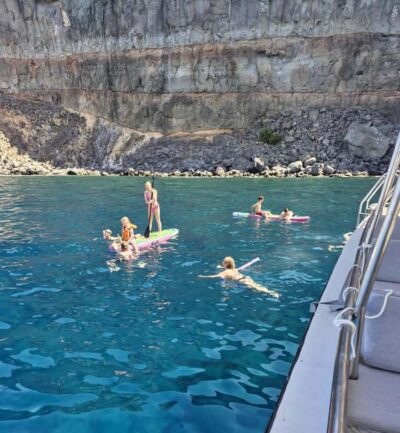 ★ 4.6Puerto Rico, Gran Canaria: boat trip, drinks, food, paddle surfing, snorkelingFrom $56310 reviews
 ★ 4.5Kayak & Snorkeling Tour in Caves in MoganFrom $77153 reviews
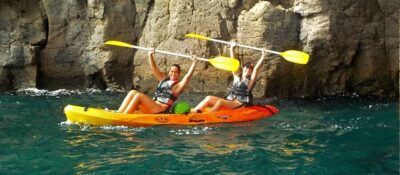 ★ 4.4South Coast Guided Kayaking TripFrom $71111 reviews
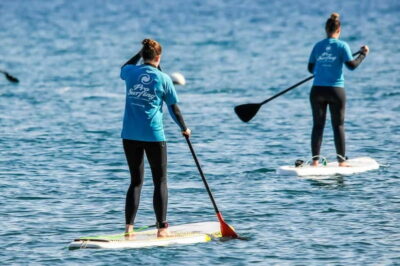 ★ 4.7Stand-Up Paddle Lesson & Snorkeling TourFrom $13649 reviews
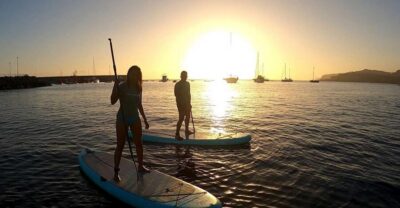 ★ 5.02h Sunset Paddle Board Session in Gran CanariaFrom $5840 reviews
Browse the lists this tour appears in