
Reviewed · WINE, RUM & BANANA TOURS
Canarian farmhouse in Mogan, mango farm and vermouth factory
A farmhouse tour with real flavor lessons beats a typical souvenir stop. This one in Mogán mixes a restored 200-year Canarian farmhouse, a mango plantation walk, and a small vermouth factory tasting called Lolito. It’s especially fun if you like food you can actually trace back to where it grows. The one note to plan around: the mango plantation route can be tough for strollers and people with mobility limits because the path going down isn’t suitable.
I like that it stays focused on hands-on agriculture and what people actually eat in Gran Canaria. You’ll see how mangoes, avocados, and soursops grow, plus how cactus (tunera) fits into local flavor. I also appreciate that you get both white and red Lolito vermouth tastings, then a mango-based dessert pairing that’s different from the usual wine-and-cake setup. If you want a full meal, this won’t replace dinner, since dinner isn’t included.
This is a short, calm, well-paced 2-hour experience in an old property you can wander through. With a group limit of 15 and the tour offered in English, it’s easy to ask questions without feeling rushed. You’ll probably enjoy it most if you like food details, small-group pacing, and a slower afternoon away from the main drag.
In This Review
- Key Things You’ll Notice on This Mogán Farmhouse Tour
- Why This 2-Hour Mogán Stop Is More Than a Tasting
- Entering the 200-Year Canarian Farmhouse and Cactus Garden
- Mango Farm Walking: What You Learn About Fruit and Soil
- Vermouth Factory Moment: White and Red Lolito Tasting
- The Mango Dessert Pairing (and How It Fits the Theme)
- Price and Value: Is $69.79 Worth It?
- Logistics That Matter: Group Size, Language, and Timing
- Who Should Book This Mogán Farmhouse Tour
- Should You Book It?
- FAQ
- FAQ
- Where does the experience start?
- How long is the tour?
- Is the tour offered in English?
- Do I need a printed ticket?
- What’s included in the price?
- Is there vermouth tasting?
- Is the mango dessert included?
- Is dinner included?
- How big is the group?
- Is it accessible for strollers or limited mobility?
- What’s the cancellation policy?
Key Things You’ll Notice on This Mogán Farmhouse Tour
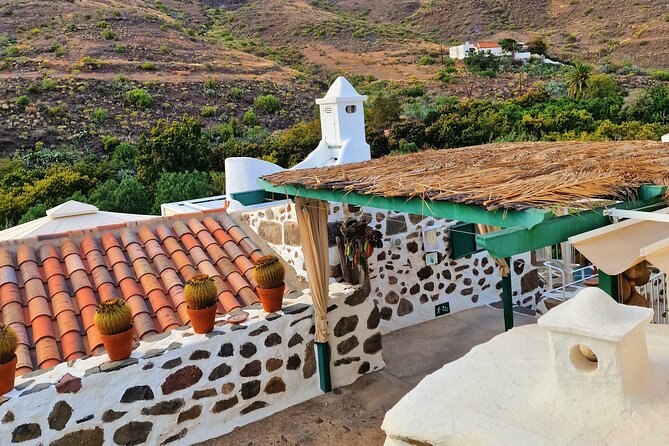
- A restored 200-year Canarian farmhouse complex that follows traditional local architecture
- Cactus garden viewing, including tunera and how it ties into Canarian cuisine
- Plant-to-plate fruit education with mangoes, avocados, and soursops
- Lolito vermouth tasting in both white and red styles
- Mango dessert option (cold mango and yogurt soup with chocolate cubes, or mango gazpachuelo)
- Small group size (max 15) that keeps the tour conversational
Why This 2-Hour Mogán Stop Is More Than a Tasting
A lot of food tours promise culture, then deliver a quick sample and a photo. This one is built around the place itself: the farmhouse, the gardens, and the farming. You start in Los Pasitos, 2 in Mogán, then move through the property where you can connect plants to flavor instead of treating food like a checklist.
The timing is also part of the value. At around 2 hours, you get a meaningful experience without wiping out your whole day. That matters on Gran Canaria, where mornings can be busy and afternoons are often better spent outside. It’s also a mobile-ticket tour, so you’re not stuck managing paperwork once you arrive.
And since you’ll be tasting vermouth and a mango dessert, the price feels more like a guided flavor lesson than just a drink stop. Water is included, too, which is a small detail that helps on a warm island day.
More cellars, rum and banana country

Entering the 200-Year Canarian Farmhouse and Cactus Garden
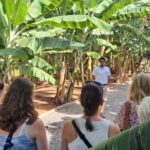
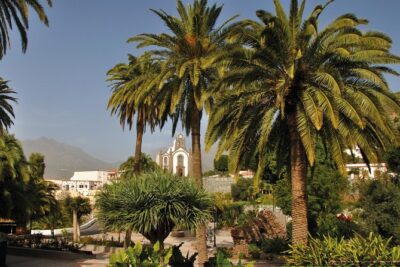
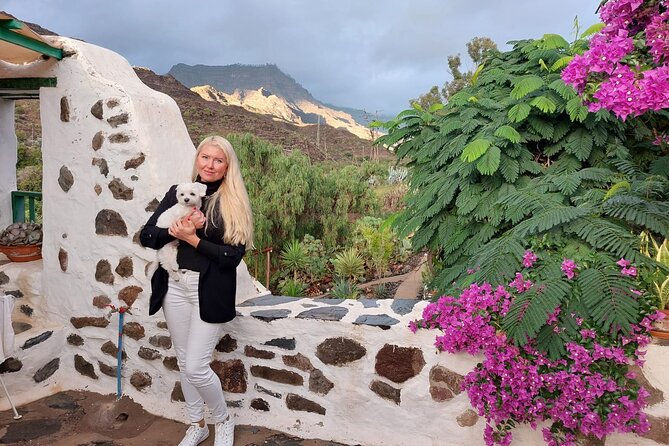
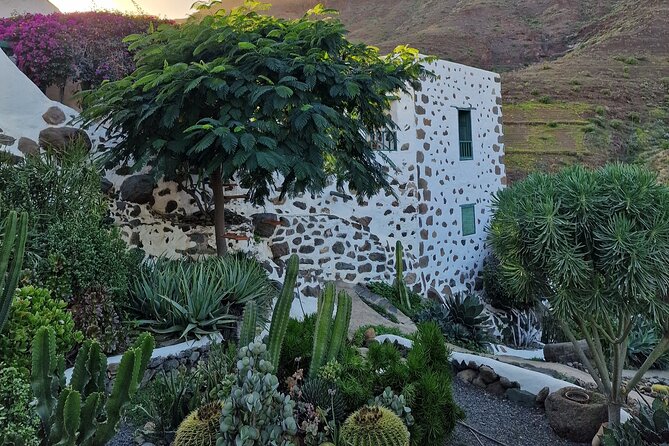
Your visit starts at the meeting point in Los Pasitos, 2, then begins with a tour of the Pueblo de Mogán area where the property sits. The center of gravity is an old Canarian farmhouse—about 200 years old—that has been restored to match popular Canarian architecture. That gives you a sense of the property’s original role, not just a pretty exterior.
From there, you’ll see the cactus garden. This isn’t random landscaping. Cactus in the Canary Islands is part of how people historically worked the land, and it’s connected to local cooking habits. Expect to learn how tunera fits into Canarian cuisine, and you’ll likely come away with a better sense of why these plants are common here.
If you like places that feel lived-in and calm, this is one of those experiences. The property layout gives you natural pauses to look around, ask questions, and take in the details without the constant movement you get on bigger tours.
Mango Farm Walking: What You Learn About Fruit and Soil
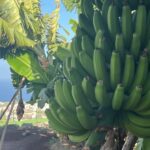
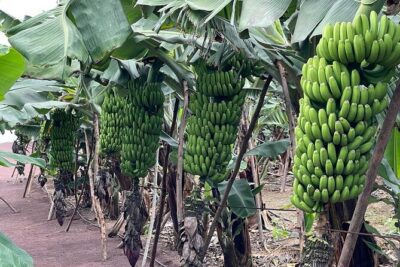
Next comes the agriculture side. You’ll see how mangoes, avocados, and soursops grow on the farm. That’s already interesting on its own—these aren’t all the same kind of fruit, and learning the growing basics helps you understand what you’re tasting later.
What makes this segment more than a simple “look at the trees” walk is the link to local use. You’re not just seeing plants; you’re hearing how fruits are used in Canarian cuisine. That’s the real payoff: you’ll be able to picture mango and other fruit flavors showing up beyond the typical tourist bubble.
Practical note: the tour isn’t listed as suitable for baby carriages or disabled people on the way down to the mango plantation. If mobility is a concern for you, plan to consider how you’ll handle uneven paths and a descent to the plantation area.
Vermouth Factory Moment: White and Red Lolito Tasting
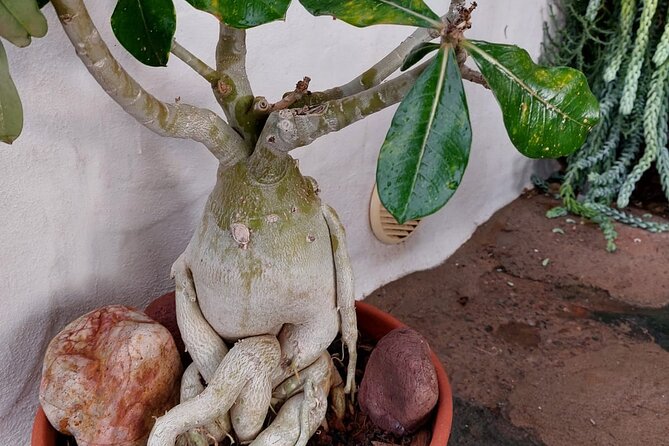
The vermouth part is the star of the show. On this property, they make the first “Lolito” vermouth in Gran Canaria, and that matters because it gives the tasting a story. It’s not just that you’re offered a drink; you’re hearing why the vermouth exists and how it connects to the farm.
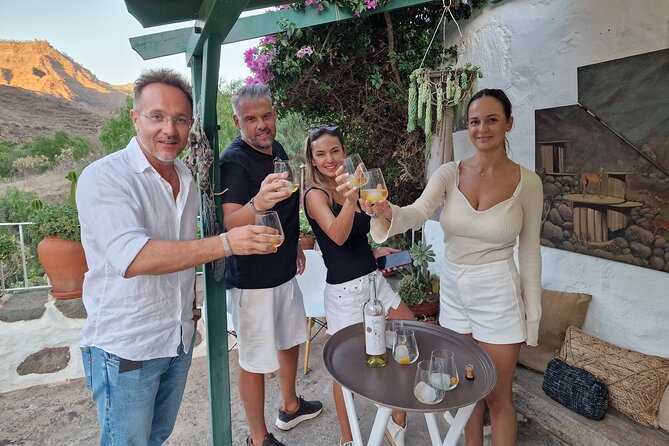
You get a tasting of Lolito vermouth in both white and red. That’s a nice contrast, because vermouth styles can taste quite different even when they come from the same producer. It also helps you move past the idea that vermouth is always one thing.
If you’re a foodie, I’d pay attention to how the hosts frame the flavors—this kind of tour tends to explain what they think makes their vermouth distinct. And since it’s tied to a specific place in Mogán, it has a stronger sense of authenticity than generic tastings.
The Mango Dessert Pairing (and How It Fits the Theme)
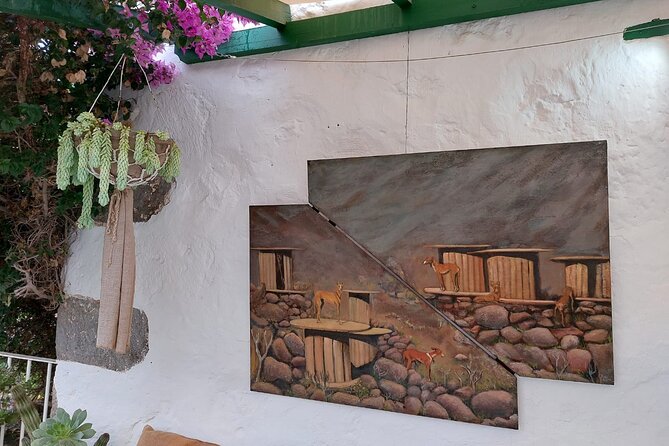
After the farming and the vermouth, you get a mango dessert pairing. The experience notes an unusually original dessert: cold mango and yogurt soup with chocolate cubes if the dessert option is selected. The sample menu also lists mango gazpachuelo.
Either way, the theme stays consistent: mango is the thread connecting the plantation to the plate. A cold mango-and-yogurt style dessert is the kind of flavor combination that makes you think about how fruits can play roles beyond sweetness—cooling, creamy texture, and the contrast of chocolate.
This is also where the tour becomes memorable. A lot of tastings stop at a drink. Here, you get at least one structured finish that makes the fruit story feel complete.
More Gran Canaria trips that earn their spot:

Price and Value: Is $69.79 Worth It?
At $69.79 per person for about 2 hours, you’re paying for three things: guided time, a small-group atmosphere, and included tastings (plus water and bathroom access). Admission is listed as free, which is an indicator that the experience itself is built around the on-site tour and samples rather than an extra entry fee.
Here’s what makes it feel like decent value:
- White and red vermouth tasting from Lolito, not just one pour
- Fruit growing and cuisine explanation, so you’re learning something usable
- Dessert pairing when the option is selected, tied directly to the farm theme
- Max 15 travelers, which usually means you get more conversation time
Where you might feel it’s less of a deal is if you’re only interested in drinks and don’t care about farming or local food connections. In that case, you’ll still get the tasting, but the rest of the tour won’t feel like it added much.
Also plan around dinner. Dinner runs €30–50 per person and isn’t included. The good news is that if you want to eat before or after, you can make a reservation at their Valle de Mogán restaurant.
Logistics That Matter: Group Size, Language, and Timing

This tour caps at 15 travelers, which is a big practical win. Smaller groups usually mean less waiting and more direct explanations. The experience is offered in English, so you can expect the key food and farming talk to be clear without relying on guessing.
It also runs close enough to Puerto Mogán that it’s described as a short drive away by people who’ve done it. You should still assume it’s a walking-based visit with farm paths, so bring shoes you’re comfortable with on uneven ground.
The meeting point is Los Pasitos, 2, 35140 Mogán, Las Palmas, Spain, and the experience ends back at the meeting point. Near public transportation, too, which helps if you’re not renting a car.
Who Should Book This Mogán Farmhouse Tour
I’d point you toward this tour if you want:
- a food-focused afternoon with vermouth and fruit as the core experience
- a small group setting with time to ask questions
- a calm, agricultural setting near Mogán rather than a crowded city stop
It may be less of a match if:
- you need a stroller-friendly or step-free route, since it’s specifically noted as not suitable for baby carriages and disabled people on the way down to the mango plantation
- you’re expecting a full sit-down meal (dinner isn’t included)
If you’re traveling with friends, this is also a nice “do something different” option: you’ll all learn the same farm story and share the same tasting points, without needing separate reservations.
Should You Book It?
Yes, if you like your island experiences grounded in real food production. The combination of a restored 200-year farmhouse, a cactus and fruit farming tour, and the Lolito vermouth tasting gives you more than a quick sample. The mango dessert (when selected) seals the deal because it’s tied to the farm theme.
I’d skip it only if your main goal is nightlife or a long meal, or if mobility constraints make the plantation route difficult. For everyone else looking for a thoughtful, flavor-first afternoon in Mogán, this one fits well.
FAQ
FAQ
Where does the experience start?
It starts at Los Pasitos, 2, 35140 Mogán, Las Palmas, Spain, and it ends back at the same meeting point.
How long is the tour?
The duration is about 2 hours.
Is the tour offered in English?
Yes, the experience is offered in English.
Do I need a printed ticket?
No. It uses a mobile ticket.
What’s included in the price?
Water and toilet/bathroom/service are included, along with the farmhouse tour, vermouth tastings, and the included tasting items based on the selected options.
Is there vermouth tasting?
Yes. You can taste Lolito vermouth, including both white and red.
Is the mango dessert included?
A mango dessert is offered, and the experience specifically mentions cold mango and yogurt soup with chocolate cubes if the option is selected. The sample menu also lists mango gazpachuelo.
Is dinner included?
No. Dinner is not included, and it’s listed as €30–50 per person if you want to dine at their Valle de Mogán restaurant.
How big is the group?
The tour/activity has a maximum of 15 travelers.
Is it accessible for strollers or limited mobility?
It’s not suitable for baby carriages and disabled people on the way down to the mango plantation. Service animals are allowed, and the tour is near public transportation.
What’s the cancellation policy?
You can cancel for a full refund up to 24 hours in advance of the experience start time. If you cancel less than 24 hours before, the amount paid isn’t refunded.
Out to the Fincas
- Full-Day Tour Exploring History, Nature and Aloe Vera Farm★ 4.5 · 40 reviews
- Tour to Arucas, Teror, Aloe Vera farm – Highlights★ 4.5 · 9 reviews
More of the Gran Canaria Ledger
- Gran Canaria: Catamaran Dolphin Watch Cruise with Snorkeling★ 4.4 · 4,761 reviews
- Maspalomas: Guided Camel Ride in the Maspalomas Sand Dunes★ 4.4 · 4,526 reviews
- Poema del Mar Skip-the-Line Ticket★ 4.8 · 3,856 reviews
- Puerto de Mogán: Submarine Tour★ 4.4 · 3,792 reviews
Cellars, Rum and Banana Country
- Guided tour of the Banana World★ 5.0 · 3,431 reviews
- Gran Canaria: Banana World Guided Tour & Tasting★ 4.8 · 2,867 reviews
- Gran Canaria: Rum, Wines and Banana Tour★ 4.6 · 261 reviews
- Guided Tour at Ron Arehucas Distillery★ 4.5 · 192 reviews
Fresh on the Gran Canaria List
- Gran Canaria: Highlights & hidden gems with Sky Rebels
★ 5.0 · 3 reviews - Escape room “The gratest show on earth” at Holidayworld
★ 3.9 · 3 reviews - Wanderungen im grünen Gran Canaria
★ 5.0 · 3 reviews - 2 hours Double Pass Spa Circuit in Hotel Don Gregory
★ 3.5 · 3 reviews - Las Palmas Maspalomas Gran Canaria Salsa Lovers Dance Experience
★ 5.0 · 3 reviews - Traditional Market Day and San Mateo & Teror
★ 3.5 · 3 reviews
Wine, Rum & Banana Tours, compared.
 ★ 5.0Guided tour of the Banana WorldFrom $183,431 reviews
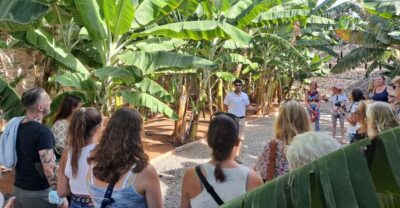 ★ 4.8Banana World Guided Tour & TastingFrom $172,867 reviews
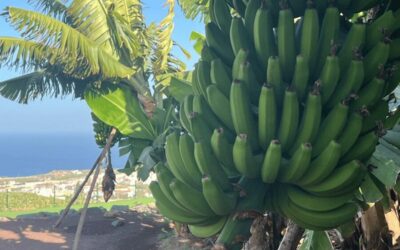 ★ 4.6Rum, Wines and Banana TourFrom $81261 reviews
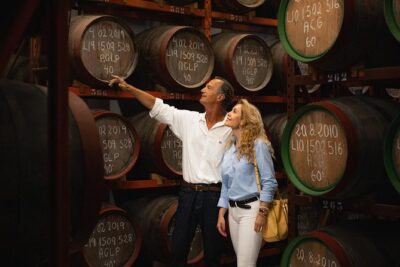 ★ 4.5Guided Tour at Ron Arehucas DistilleryFrom $13192 reviews
★ 4.8Guided Tour at Ron Arehucas DistilleryFrom $12179 reviews
★ 4.5Guided Tour at Ron Arehucas DistilleryFrom $13192 reviews
★ 4.8Guided Tour at Ron Arehucas DistilleryFrom $12179 reviews
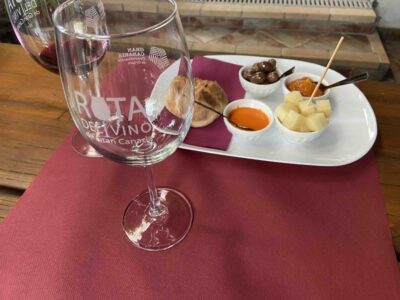 ★ 4.9Best Wineries and Views TourFrom $114173 reviews
 ★ 4.7Winery Tour, Wine Museum, and TastingFrom $34131 reviews
 ★ 5.0Canarian Wine Experience at Bodega los LiriosFrom $1967 reviews
Browse the lists this tour appears in