
Reviewed · COASTAL BOAT EXCURSIONS
From Puerto Rico de Gran Canaria: Dolphin Watching Cruise
A morning offshore can be pure magic. This dolphin and cetacean cruise from Puerto Rico is built for serious wildlife spotting, and I especially like the Spirit of the Sea’s glass-bottom viewing and the crew’s hands-on help identifying species. The main consideration is that you’re out on the Atlantic, so the boat can move a lot, and seasickness is the one thing you should plan for.
You’ll depart from the Puerto Rico area, ride a short transfer to the port, and then spend about 2.5 hours searching along Gran Canaria’s southwest coast. Dolphins are the big target, but the local waters are also known for other cetaceans, and you may see surprises depending on conditions.
In This Review
- Key Things I’d Prioritize on This Cruise
- Spirit of the Sea: Why This Boat Helps You See More
- How the Pickup Works and What the Timing Feels Like
- Departing Puerto Rico: The Southwest-Coast Search Strategy
- What You’re Likely to See (And the Surprises That Happen)
- The Underwater Glass-Bottom Moment: How to Use It Smartly
- Crew and Ethics: The Reason This Feels Like Wildlife Watching, Not a Show
- Seasickness Reality Check (Because the Atlantic Doesn’t Care)
- Price and Value: Is $47 a Fair Deal?
- Who This Tour Is Best For (And Who Might Want Another Option)
- On Board: Bar, Drinks, and What to Bring
- Should You Book Spirit of the Sea Dolphin Watching?
- FAQ
- How long is the dolphin watching cruise?
- Where do I meet the boat?
- Do you pick up from Las Palmas city?
- What if you don’t see dolphins?
- Does the boat have food or drinks on board?
- Will the boat be rough, and is seasickness common?
- What languages are the guides available in?
- What happens after the cruise?
Key Things I’d Prioritize on This Cruise
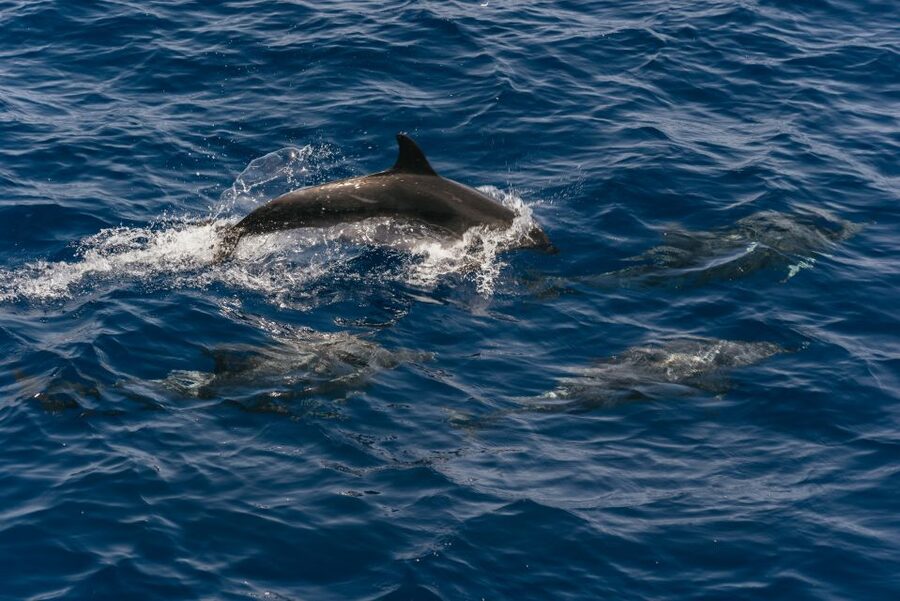
- Glass-bottom underwater viewing from the catamaran to spot action without always leaning over the side
- Crew-led spotting and species guidance so you’re not just watching waves
- Ethical, permit-approved wildlife watching with a focus on animal welfare and respectful distance
- Sighting guarantee: if no cetaceans are spotted, you get a voucher/return pass (valid one year)
- Transfers from the south coast with multiple drop-off points, so you’re not stuck figuring out connections
- A real chance at big groups (some departures report pods numbering in the hundreds)
Spirit of the Sea: Why This Boat Helps You See More
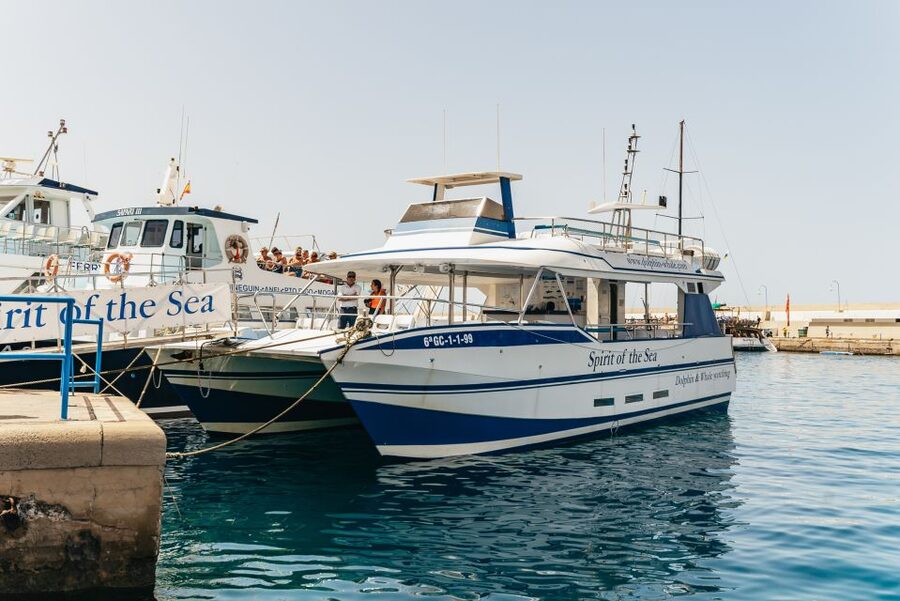
The Spirit of the Sea is a catamaran designed for comfort and visibility. It holds up to 97 guests, which matters because a crowded boat usually means worse sightlines and more people blocking each other’s views. Here, the setup is more balanced, and you can actually move around.
The headline feature is the glass-bottom section, which gives you a rare view into the water column. Instead of only scanning the horizon, you can sometimes spot dorsal fins or movement below the surface. That changes the whole experience. When visibility is clear, you feel like you’re watching underwater behavior through a window rather than guessing what’s beneath the waves.
One practical note: the glass-bottom area may require getting down to access the viewing portion. Reviews mention that the steps can feel steep and tight, which could be an issue if you don’t have good mobility for stairs. The boat itself is described as accessible with restrooms and a bar area, but if glass-bottom access is a must for you, it’s worth asking what the best route is for your needs when you arrive at the dock.
The pod keeps moving. More sailings out to find it

How the Pickup Works and What the Timing Feels Like
This is not a “walk out your hotel and you’re there” activity if you’re in Las Palmas city. Pickup is offered from the island’s southern area, while Las Palmas city pickup is listed as not included. If you’re staying around Puerto Rico de Gran Canaria or nearby southern resorts, you’ll likely get the smoother version: you ride by coach to the port, cruise, then return by coach again.
The schedule is built like this:
- A coach transfer out to the port (about 50 minutes)
- A 2.5-hour dolphin/cetacean excursion on the water
- A coach transfer back (about 50 minutes)
So plan for roughly half a day in total, not just 2.5 hours. That extra time is the tradeoff for going farther offshore and searching in the right waters.
After the cruise, drop-offs are spread across the south coast, including Bahia Feliz, Maspalomas, Mogán, Meloneras, Playa del Inglés, and San Agustín. If you’re based in one of these areas, the logistics are straightforward. If you’re farther away, you’ll want to double-check which drop-off is closest to your accommodation.
Departing Puerto Rico: The Southwest-Coast Search Strategy
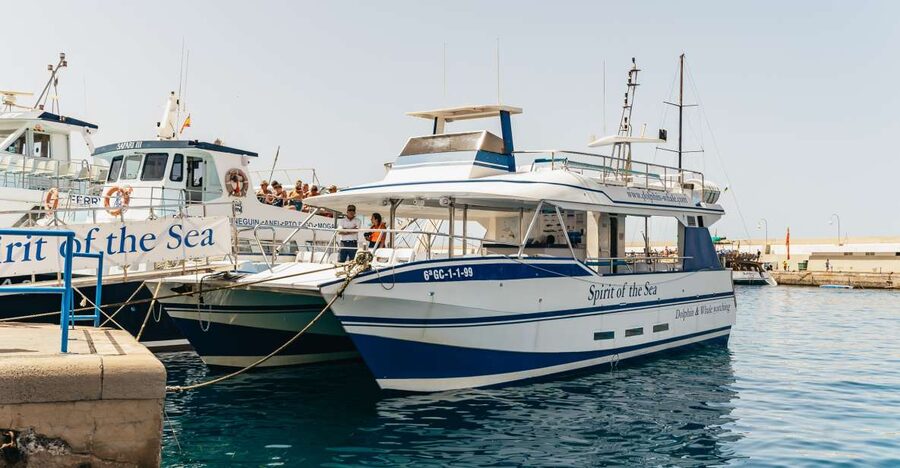
You head out from Puerto Rico de Gran Canaria, then spend the excursion working along the southwest coast. The reason this matters is simple: cetaceans show up where food and conditions line up, and this route is targeted for marine life sightings.
You’re looking for dolphins most of the time. That’s not luck-based only. The experience is set up to help you recognize what you’re seeing:
- The crew guides you through encounters
- You learn how to identify different species you might spot
- The search is active rather than passive sightseeing
Gran Canaria’s waters are described as housing about 30 cetacean species, including dolphins, whales, orcas, and porpoises. Even if you never get a “big whale moment,” there’s still plenty of action to watch for—groups surfacing, repeated dives, and the way pods move when they’re feeding or traveling.
And yes, conditions matter. Calm water makes spotting easier. Rougher seas make it harder to keep your eyes on the right spot, which is why seasickness planning is more than a nicety here.
What You’re Likely to See (And the Surprises That Happen)
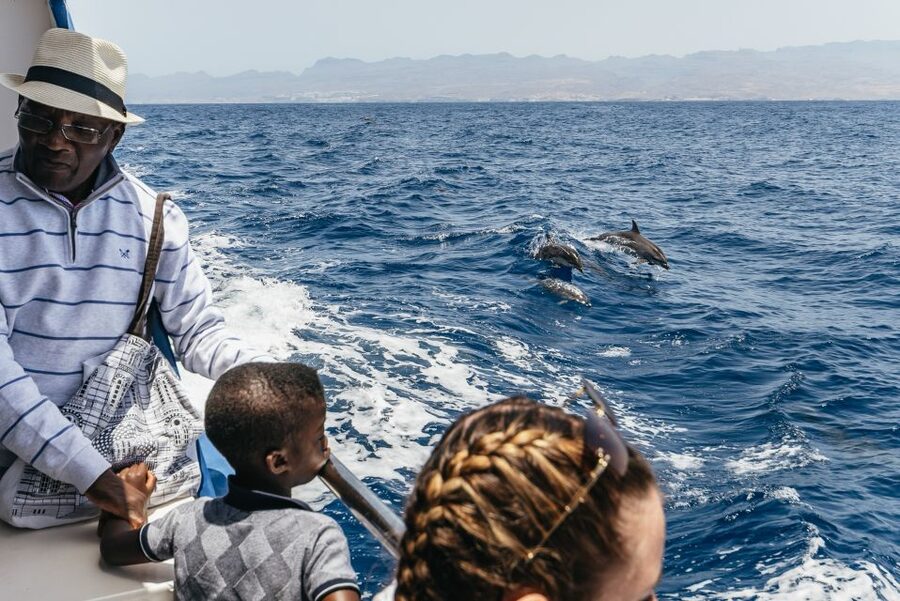
Dolphins are the main draw, and it’s very common for cruises to end with at least one good pod sighting. Some departures report pods coming close to the boat and staying visible for a while, which is exactly what you want. When dolphins are comfortable around a boat, you often get clearer views of behavior—fast changes in direction, surface breathing, and coordinated movement.
Beyond dolphins, the experience is positioned for other cetaceans too. You might encounter:
- Whales (the cruise description specifically mentions whales are possible)
- Turtles (shown in real-world trip observations)
- Other ocean wildlife like flying fish (again, reported as occasional sightings)
It’s also worth knowing the boat can be stationary at times for whale watching. That doesn’t always mean smooth sailing. Ocean movement can still translate into noticeable rocking even when the vessel isn’t underway, so don’t assume it will feel calm the whole time.
The Underwater Glass-Bottom Moment: How to Use It Smartly
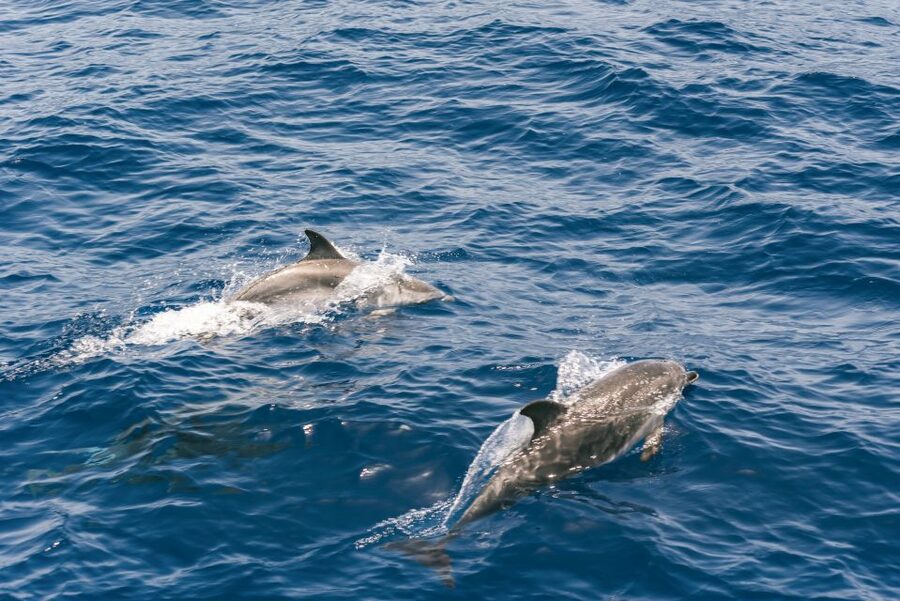
The glass-bottom is what turns this from “watching from above” into “seeing what’s actually happening.” Here’s how to get more value from it:
First, don’t treat it as a one-time check. If the crew signals activity or you spot movement on top, go back to the glass when you can. Action can happen in bursts—surfacing, then diving, then reappearing.
Second, watch for patterns. Dolphins and other cetaceans often travel in a way that creates repeated signs at the surface. If you connect what you see from the deck with what you see from below, you start to recognize familiar cues faster.
Third, be ready for crowds in the viewing area. Even if the overall boat load feels comfortable, the glass-bottom section can become a bottleneck when a pod is close. If you want a clear view, be flexible. Move early, stay near the edge of the viewing path, and don’t block others.
If stairs are a problem for you, plan for that upfront. The data says the boat is accessible and has restrooms, but the specific glass-bottom access is something that may involve steps. Ask staff what’s easiest when you board.
Still weighing it up at the marina? More boats leaving the south coast
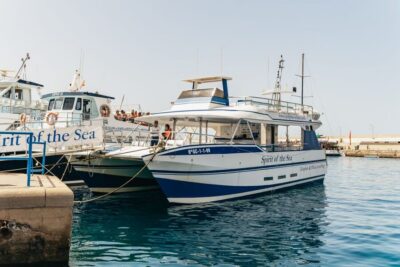
Crew and Ethics: The Reason This Feels Like Wildlife Watching, Not a Show
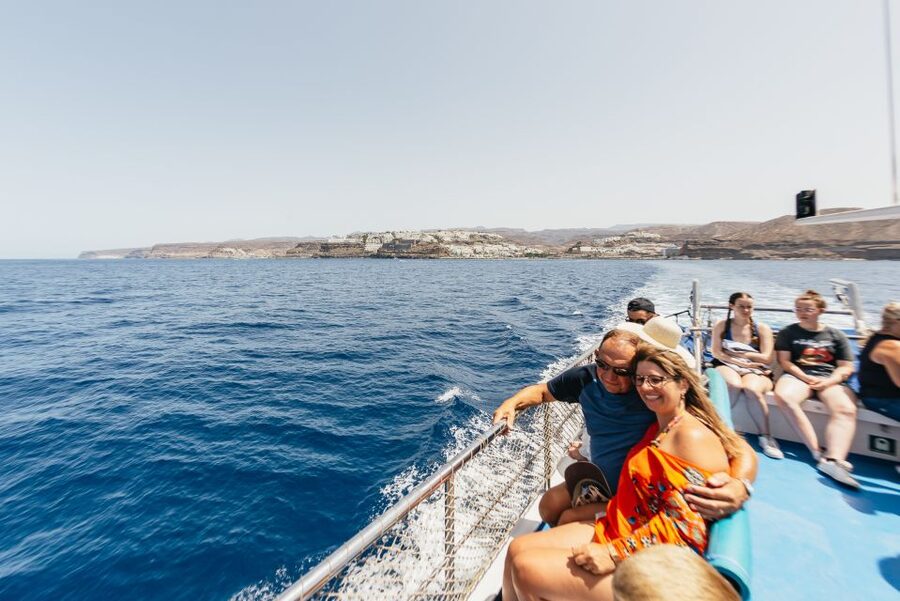
This trip earns its reputation in two ways: the crew’s effort and the way they handle encounters.
You’re told the operator holds the necessary permits in the Canary Islands, and the mission is respectful, ethical wildlife watching. Practically, that shows up as:
- The crew guiding you without chasing animals
- Attention to responsible viewing distance
- Focus on animal welfare first
On top of that, the crew is multilingual (English, Spanish, German, and French). That language coverage matters more than you’d think. When you can actually follow the identification tips—what you’re seeing and why it’s there—you enjoy the cruise more, even if the animals are far away.
Some departures also include environmental action. Reviews mention the crew collecting plastic from the ocean during the trip. I’d treat that as something you may notice on board rather than a guaranteed moment, but it’s a good sign of hands-on responsibility beyond just “spot and leave.”
Seasickness Reality Check (Because the Atlantic Doesn’t Care)
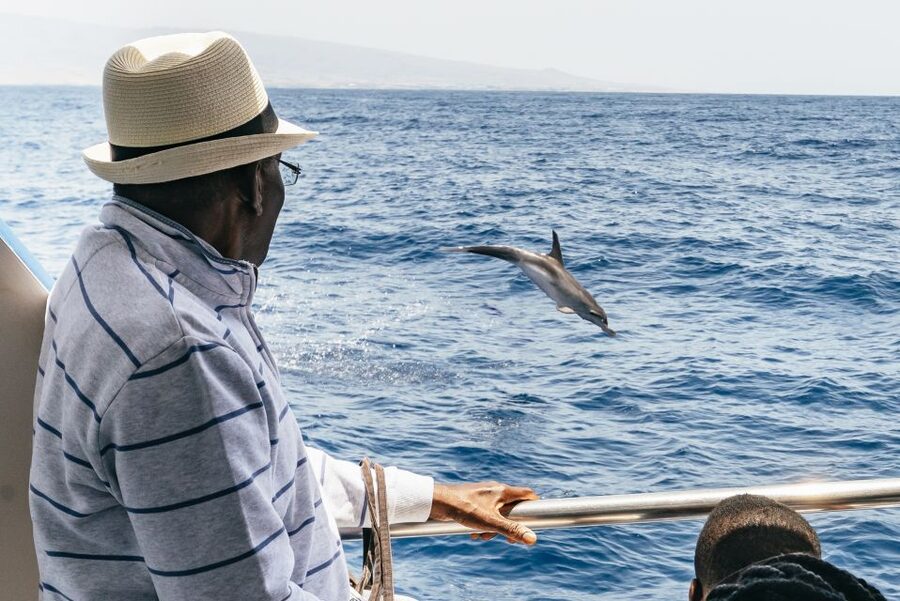
The one thing I’d treat seriously is motion. This cruise is out on the Atlantic, and even when the boat is stationary, you may still feel movement. If you’ve ever gotten seasick on boats (or even in cars as a passenger), take it seriously.
The operator’s own advice is clear and practical:
- Consider taking seasickness pills before you set sail
- Follow the label directions and take them early for best effect
- Focus your gaze on a fixed point rather than reading or using your phone
- Drink plenty of water
- Avoid fatty foods beforehand
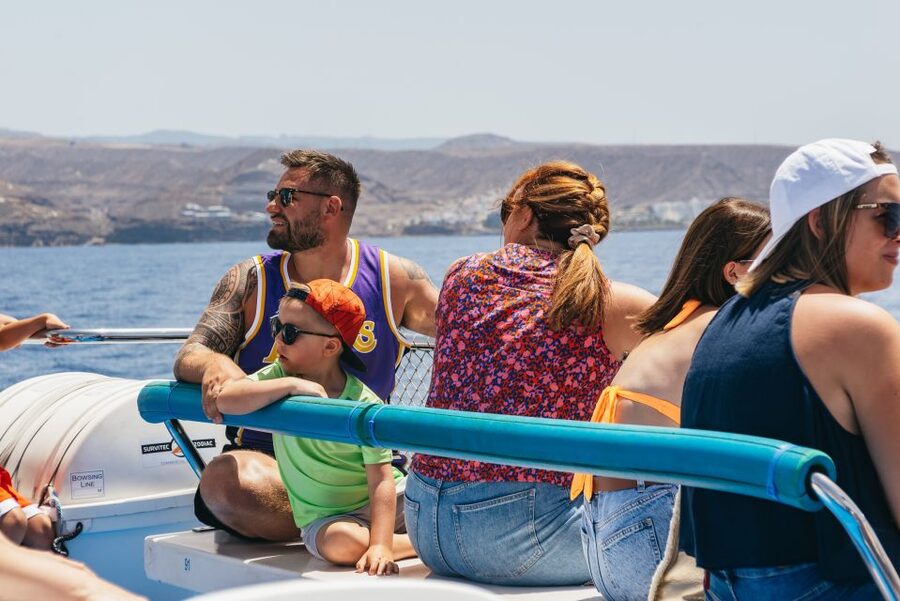
Reviews also mention that the boat can feel cold in choppy conditions and that some people receive blankets and sick bags. That lines up with what you’d expect when wind and spray hit you for 2.5 hours.
Finally, don’t count on “toughing it out.” The information says you can’t be held responsible for discomfort caused by seasickness, so your best move is prevention. If you’re very sensitive, consider whether this type of offshore search is your kind of outing.
Price and Value: Is $47 a Fair Deal?
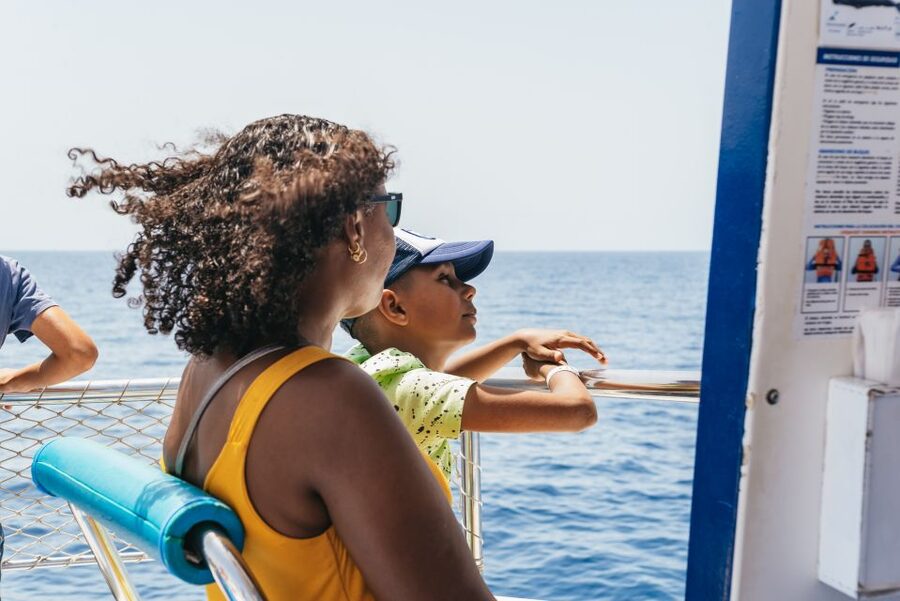
At around $47 per person for a 2.5-hour excursion, the value depends on two things: how well you handle the sea and how your luck plays out with sightings.
Here’s the strong part of the math. You get:
- A dedicated offshore search time
- A boat with glass-bottom viewing
- A crew actively helping with identification
- Return transfers from the southern area
- A sighting guarantee: if cetaceans aren’t spotted, you get a complimentary return voucher/pass (valid one year)
That guarantee is the real value lever. Dolphin watching is never 100% controlled. Weather, animal movement, and water conditions decide what shows up. This makes the price feel less risky, because you’re not paying full price for a total absence of wildlife.
Is it perfect value if you personally feel miserable on boats? No. But if you’re comfortable on water and you want the best chance of seeing dolphins in their habitat, this is priced in a way that fits the experience.
Who This Tour Is Best For (And Who Might Want Another Option)
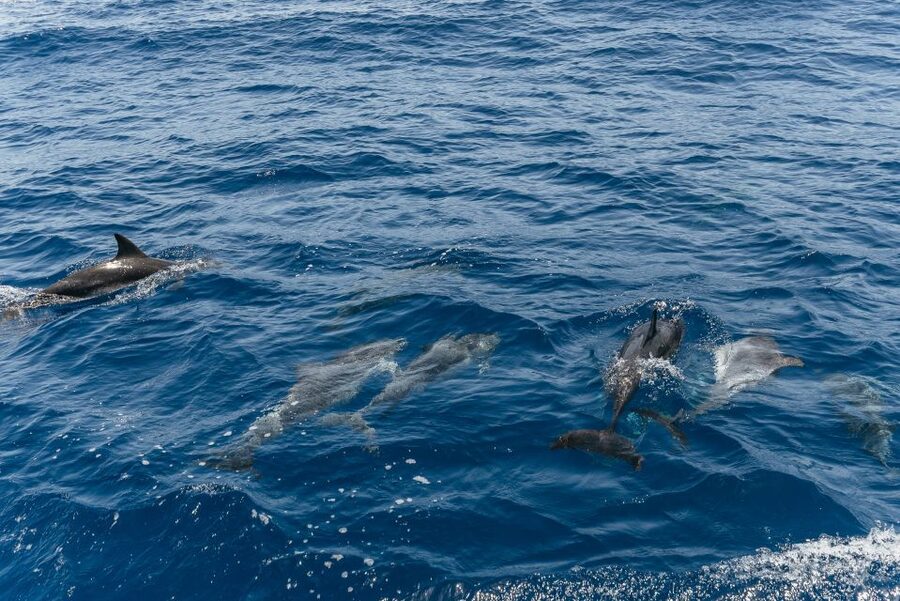
This cruise is a strong match if you want:
- A guided wildlife search, not a random boat ride
- Help identifying what you see
- A comfortable catamaran with restrooms and a bar area
- Round-trip coach transfers from the south coast
It’s also a good family option in general, since the crew actively checks on passengers and people with motion sickness are handled with care. If you’re traveling with kids, it’s often better to pick a trip with clear timing and a short duration offshore.
I’d be cautious if:
- You’re extremely seasick-sensitive
- Stairs to access the glass-bottom viewing area are a big concern for you
- You need very calm water and dislike ocean movement entirely
On Board: Bar, Drinks, and What to Bring
The boat has a bar area selling soft drinks, beer, water, and snacks. Those aren’t included in the price, so if you want drinks, plan on paying onboard.
What I’d bring is less about souvenirs and more about comfort:
- Something warm enough for wind/spray
- Seasickness prevention if you’ve needed it before
- Sunscreen and water if the sun comes out
- A phone-only plan that doesn’t require scrolling while you’re on choppy water
A simple rhythm helps: hydrate, watch the horizon, then pop to the glass-bottom when the crew directs you to signs of activity.
Should You Book Spirit of the Sea Dolphin Watching?
If your goal is to maximize your chances of real cetacean encounters around Gran Canaria, I think this is a smart booking. The biggest reasons are practical: the active search, the crew guidance, the glass-bottom setup, and the return voucher if you come up empty.
Book it if you can handle time offshore and you’re willing to plan for motion. Pass if you’re likely to have severe seasickness or you can’t manage the movement of an Atlantic cruise.
If you do book, set yourself up for success: take motion precautions seriously, dress for wind, and keep your eyes where the crew tells you to look. When the dolphins show, the whole experience clicks into place fast.
FAQ
How long is the dolphin watching cruise?
The catamaran excursion is 2.5 hours. There is also a coach transfer time each way before and after the cruise.
Where do I meet the boat?
Meet at the Puerto Base dock and look for the Spirit of the Sea boat.
Do you pick up from Las Palmas city?
Pickup from Las Palmas city is not included. Pickup is offered optionally from the island’s southern area, with meeting points near places like Mogán, Taurito, Playa del Inglés, Maspalomas, San Agustín, and Bahia Feliz.
What if you don’t see dolphins?
If no cetaceans are spotted during the excursion, you receive a complimentary voucher to enjoy the experience again. The voucher is valid for one year.
Does the boat have food or drinks on board?
There is a bar area with soft drinks, beer, water, and snacks, but these are not included in the price.
Will the boat be rough, and is seasickness common?
The cruise navigates the Atlantic Ocean, and the boat may move even when stationary for whale watching. If you are prone to seasickness, it’s recommended to take sickness pills in advance and follow the comfort tips provided.
What languages are the guides available in?
The host or greeter is available in English, Spanish, German, and French.
What happens after the cruise?
After the 2.5-hour excursion, you return by coach and are dropped off at multiple locations in the south, including Bahia Feliz, Maspalomas, Mogán, Meloneras, Playa del Inglés, and San Agustín.
More of the Gran Canaria Ledger
- Gran Canaria: Catamaran Dolphin Watch Cruise with Snorkeling★ 4.4 · 4,761 reviews
- Maspalomas: Guided Camel Ride in the Maspalomas Sand Dunes★ 4.4 · 4,526 reviews
- Poema del Mar Skip-the-Line Ticket★ 4.8 · 3,856 reviews
- Puerto de Mogán: Submarine Tour★ 4.4 · 3,792 reviews
More Boats Off the South Coast
- Gran Canaria: Catamaran Dolphin Watch Cruise with Snorkeling★ 4.4 · 4,761 reviews
- Gran Canaria: Dolphin and Whale Watching Cruise★ 4.2 · 2,537 reviews
- Gran Canaria: Fun Catamaran Cruise with Food and Drinks★ 4.6 · 1,019 reviews
- Puerto de Mogan: Boat and Snorkeling Trip★ 4.9 · 855 reviews
Where the Pods Surface
- Gran Canaria: Catamaran Dolphin Watch Cruise with Snorkeling★ 4.4 · 4,761 reviews
- Gran Canaria: Dolphin and Whale Watching Cruise★ 4.2 · 2,537 reviews
- Maspalomas: Palmitos Park Ticket with Dolphin and Bird Shows★ 4.8 · 1,507 reviews
- Dolphin and Whales watching cruise from Puerto Rico de Gran Canaria★ 4.0 · 508 reviews
Fresh on the Gran Canaria List
- Gran Canaria: Highlights & hidden gems with Sky Rebels
★ 5.0 · 3 reviews - Escape room “The gratest show on earth” at Holidayworld
★ 3.9 · 3 reviews - Wanderungen im grünen Gran Canaria
★ 5.0 · 3 reviews - 2 hours Double Pass Spa Circuit in Hotel Don Gregory
★ 3.5 · 3 reviews - Las Palmas Maspalomas Gran Canaria Salsa Lovers Dance Experience
★ 5.0 · 3 reviews - Traditional Market Day and San Mateo & Teror
★ 3.5 · 3 reviews
Coastal Boat Excursions, compared.
 ★ 4.4Catamaran Dolphin Watch Cruise with SnorkelingFrom $444,761 reviews
 ★ 4.2Dolphin and Whale Watching CruiseFrom $412,537 reviews
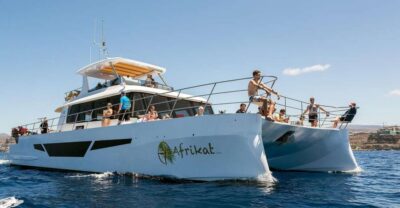 ★ 4.6Fun Catamaran Cruise with Food and DrinksFrom $881,019 reviews
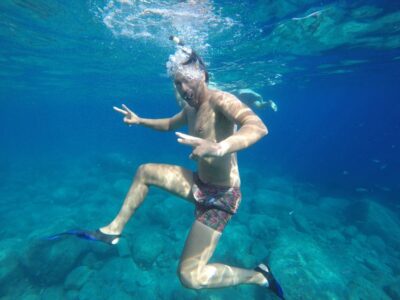 ★ 4.9Puerto de Mogan: Boat and Snorkeling TripFrom $69855 reviews
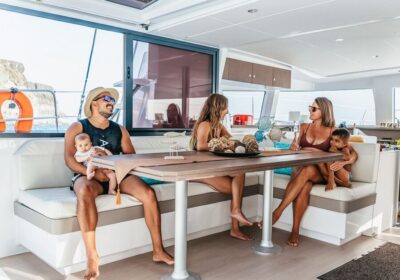 ★ 4.8Catamaran Day Trip with Food and DrinksFrom $97845 reviews
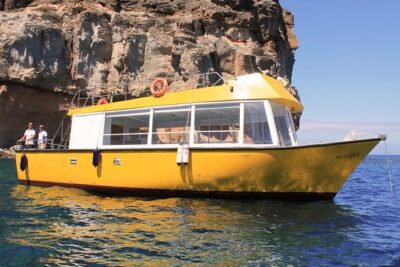 ★ 5.03h Boat Trip + Snorkeling in Puerto de MoganFrom $71785 reviews
 ★ 4.8Shared yacht trip with drinks, lunch, and snorkelingFrom $85630 reviews
 ★ 5.0Morning cruiseFrom $99509 reviews
Browse the lists this tour appears in