
Reviewed · SCUBA DIVING COURSES & DIVES
Gran Canaria: Discover Scuba Diving Beginner Program
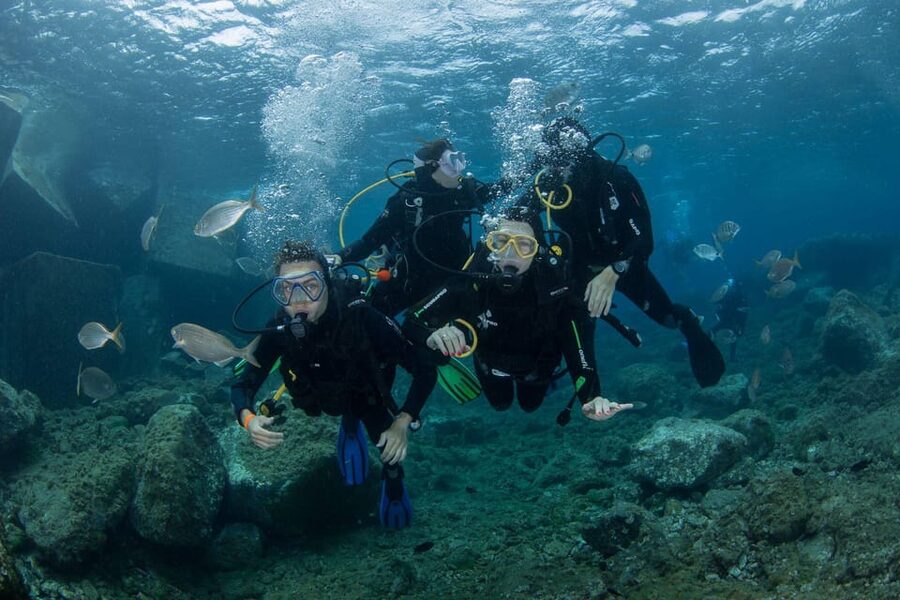
Two people, four hours, and the Atlantic calls. I love the small group size of just two trainees, and I love the Mogán shallow-water practice that helps you feel in control fast. You’re in a professional setup off the coast of Gran Canaria, working through basic scuba skills and then moving on to the real-water moment.
The only real catch is day-to-day variability. Transfers can take longer than you expect because they depend on your hotel stop, and water clarity can change, so don’t bank on perfect visibility.
In This Review
- Key things you’ll notice right away
- Mogán, Gran Canaria: Where “Beginner” Feels Real
- The 4-hour flow: meeting at 09:30 and staying on track
- Small group coaching (2 people): the real value
- Scuba gear and insurance: included means less stress
- Theory in plain language: what you should actually pay attention to
- Shallow-water practice in Mogán: where confidence is built
- The open-water Atlantic session: what to expect and what not to
- What “participant guide” means for your future scuba plans
- Price and extras: is $117 a good deal?
- Who should book this (and who might want a different option)
- Tips to make your morning smoother
- Should you book the Discover Scuba Program in Gran Canaria?
- FAQ
- How long is the beginner scuba program?
- Where does the experience take place?
- What time do I meet at the training location?
- Is hotel pickup included?
- What’s included in the price?
- What is not included?
- How many people are in the group?
- What are the age and health requirements?
Key things you’ll notice right away
- Small group, up to 2 participants for real coaching and time to practice
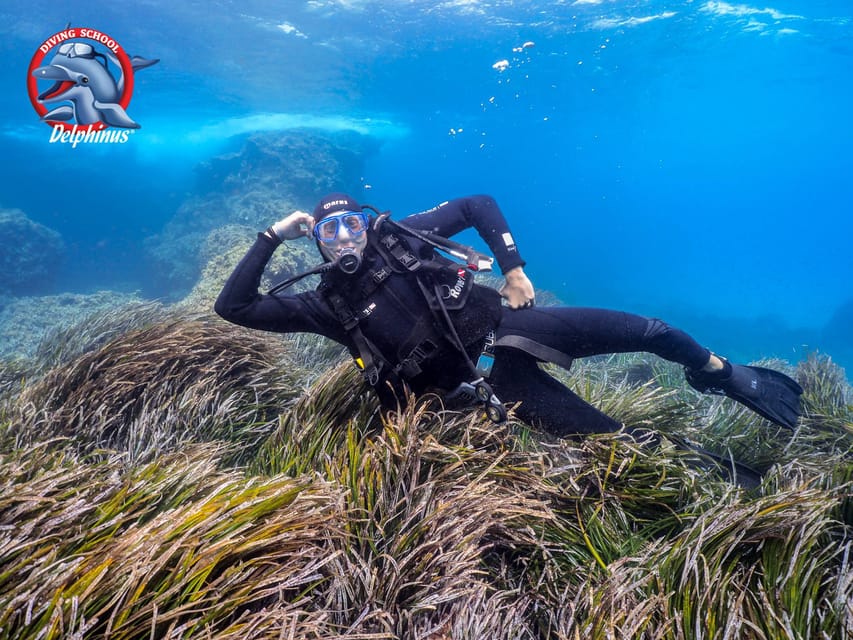
- Mogán’s calm, shallow training before you go out into open water
- Scuba gear + safety checks included so you’re not piecing together equipment on your own
- Hotel pickup and drop-off included if you request your specific pickup spot
- Some extras cost extra (like an individual mouthpiece and underwater photography)
- A take-home participant guide you can use if you continue with your training
Mogán, Gran Canaria: Where “Beginner” Feels Real
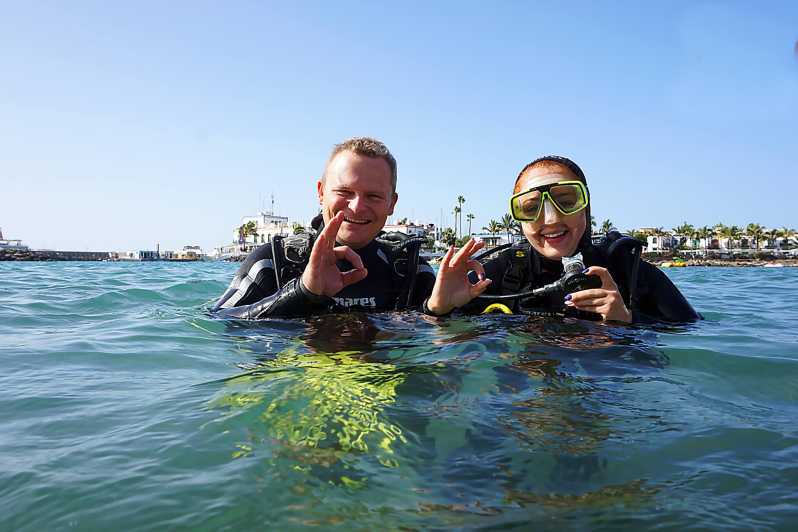
Gran Canaria is a good place to learn because you get warm weather and an ocean setting that’s geared toward first-timers. Your training is based in the calm waters around Mogán, which matters more than people think: calmer conditions mean you can focus on breathing, balance, and the gear—without fighting waves.
You’re also starting from a sand-and-sun coast, which helps your brain. If you’re coming from a beach day, the jump to controlled water time feels less intimidating. That’s a big part of what makes a first scuba experience work.
And yes, the “beginner” part is real here: you’re not expected to already know how to manage buoyancy or how the equipment behaves under pressure. The whole program is built for stepping stones.
Down to the reef at El Cabron, more dives and courses
The 4-hour flow: meeting at 09:30 and staying on track
This is a half-day program, and it runs on a tight schedule. The meeting time at the training location is 09:30 AM, which is early enough to finish while the rest of the day is still yours.
From there, your time is typically split between:
- a theory and safety lesson
- practice in shallow water (where you can repeat skills)
- an open-water session in the Atlantic
The practical benefit of this pacing is that you get to learn the “why” (scuba theory and safety) and the “how” (basic skill drills) before you’re asked to operate in open water. It’s far more effective than learning everything in one long chunk.
Small group coaching (2 people): the real value
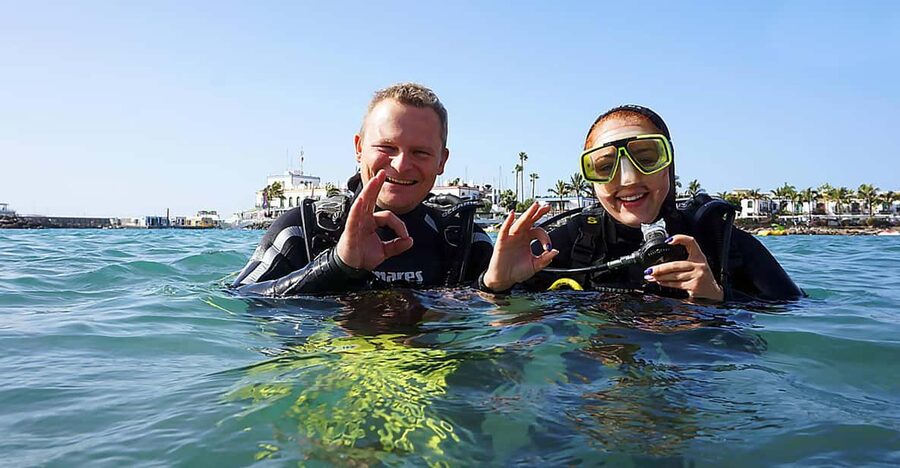
A lot of beginner experiences feel generic because the group is too large. Here, you’re limited to a small group of just two participants, which changes the whole vibe. You get more hands-on attention, more time to ask questions, and fewer moments where you’re waiting while someone else gets sorted.
That matters for things like:
- breathing comfort and rhythm
- how your mask and regulator fit
- learning what to do when you feel slightly off-balance
Also, the instructor team works with multiple languages—English, German, Spanish, French, Polish, and Italian—so you’re more likely to get clear communication rather than instructions that get lost in translation. If you’re anxious, clarity is your friend.
Scuba gear and insurance: included means less stress
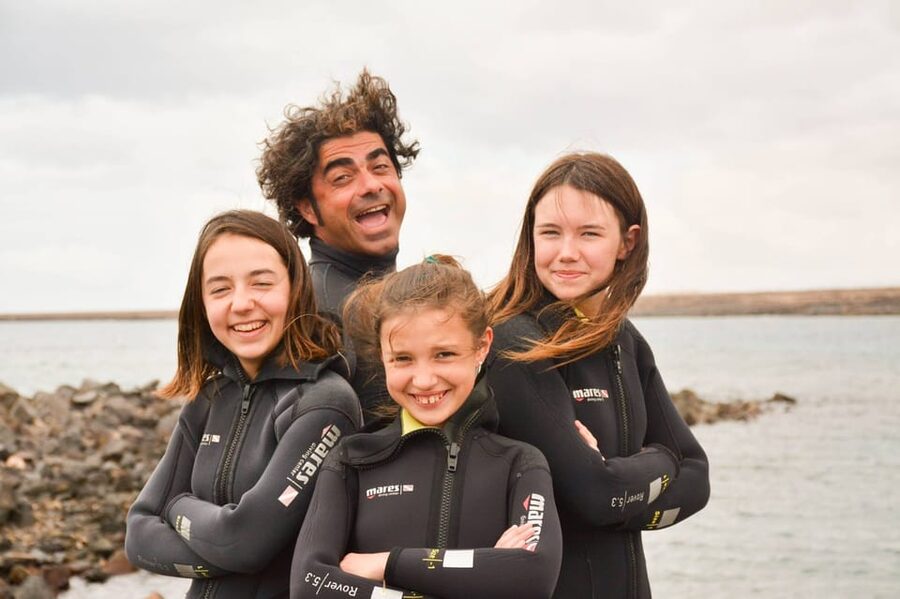
One reason this program feels like good value is that the big operational stuff is handled for you. All scuba equipment is included, and so is scuba activity insurance. That means you’re not standing on the beach trying to figure out what you’re missing.
In practice, this helps in two ways:
- You spend your energy learning skills, not managing logistics.
- You get guidance on using your gear safely in a controlled environment.
You do want to plan for the small extras. An individual mouthpiece costs €4, and underwater photography is €34 if you want it. If you’re cost-conscious, decide up front whether you want the photos, because optional add-ons can creep up fast.
Theory in plain language: what you should actually pay attention to
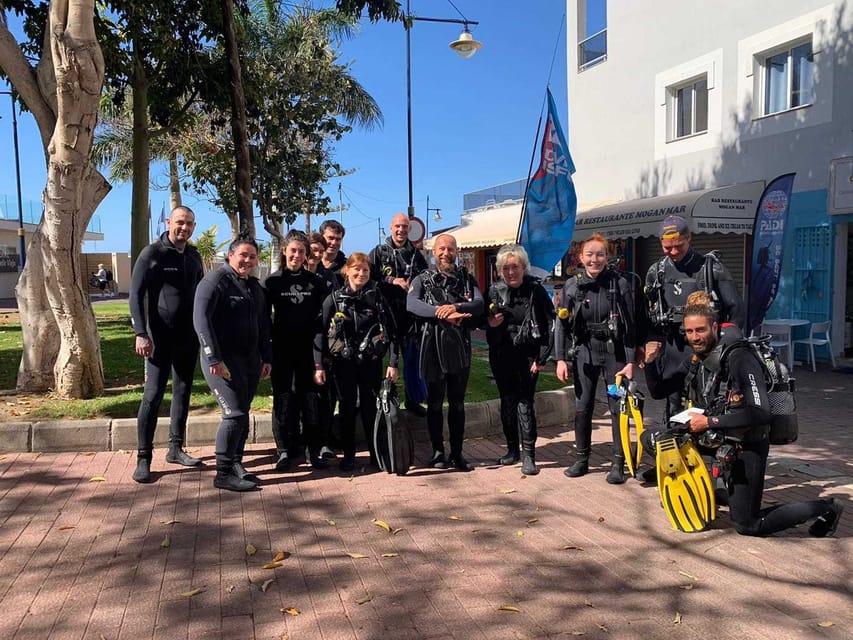
Before you go deeper or farther from shore, you’ll get a scubatheory lesson focused on the basics. For a beginner, theory isn’t about memorizing. It’s about understanding how to behave underwater so your instincts don’t take over.
The key learning goal is safety and comfort. You’ll practice basic scuba skills in shallow water, which is where your brain can adjust to the feeling of breathing underwater without the added pressure of open conditions.
What to listen for during the theory portion:
- how equipment works and what normal sensations feel like
- what the instructor expects you to do during the training
- safety habits and how to stay calm if something feels unusual
If you’re prone to overthinking, take notes or ask direct questions. Clear answers early prevent confusion later.


Shallow-water practice in Mogán: where confidence is built
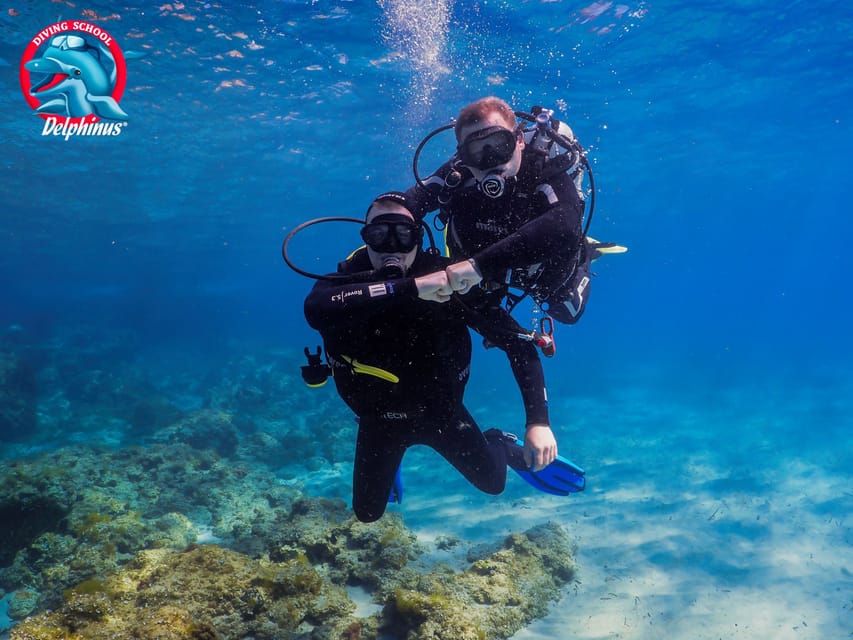
This is the heart of the course for many people: the shallow-water skill work. The setting is designed to be manageable, so you can repeat movements and correct small mistakes without panic.
In shallow water, you can practice things like:
- getting comfortable with breathing and regulator use
- learning how to keep yourself stable
- doing basic checks with the instructor watching closely
The big win here is that you learn in a professional environment with hands-on tuition. If you get nervous around water, this format usually works better than jumping straight into deeper conditions.
Also, because it’s shallow, you can focus on body control and communication. That’s what you’ll rely on later in the open-water session.
The open-water Atlantic session: what to expect and what not to
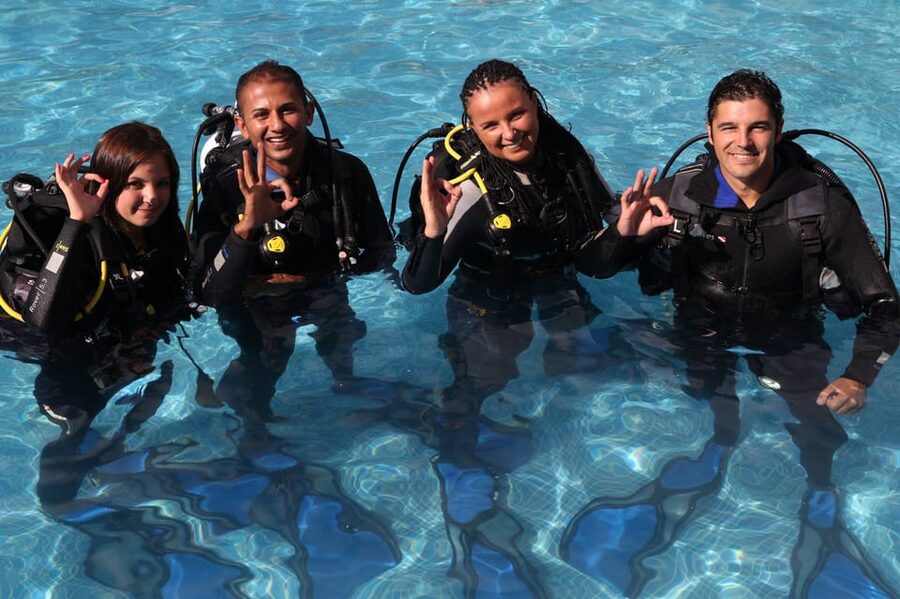
After the shallow practice, you’ll experience your first open-water session in the Atlantic Ocean. This is where you’ll notice the difference between training water and real sea conditions.
The good news: it’s still beginner-friendly. You’re learning while you’re there, and instructors are responsible for keeping you safe and comfortable.
The part you should adjust your expectations on: water clarity and visibility can vary. On some days, you might not see as much sea life as you hoped. When that happens, the most important thing is still the learning outcome—getting the feeling of moving underwater, using your gear properly, and staying relaxed.
If you’re chasing wildlife photos, consider that the Atlantic can be unpredictable. Go for the moment: the feeling of breathing underwater and seeing marine life at your level, not for a guaranteed postcard.
What “participant guide” means for your future scuba plans
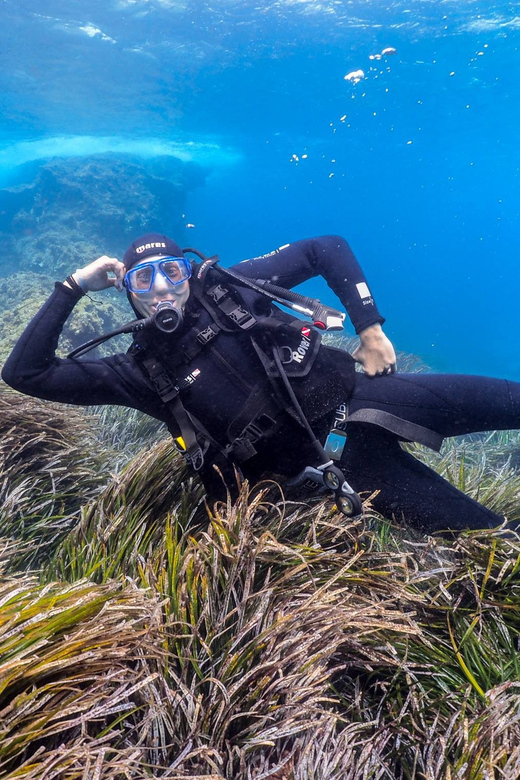
You’ll receive a Discover Scuba participant’s guide as a keepsake souvenir. The nice part is that it’s not just paperwork. The guide is something you can use if you continue or upgrade your scuba level.
That future value matters if you’re thinking: I want to try this now and see if I want more later. Instead of wondering what to practice after the course, you have a reference point you can take forward.
Price and extras: is $117 a good deal?
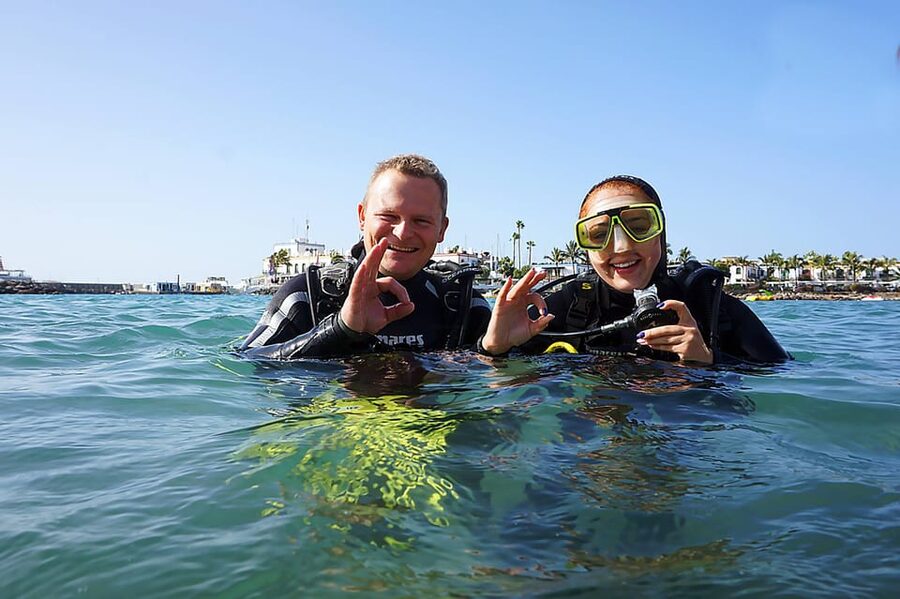
$117 for a 4-hour beginner program can be a strong value—if you compare what’s included. You’re getting:
- equipment
- instruction by a qualified instructor
- hotel pickup and drop-off
- scuba activity insurance
- a small-group setup (limited to two participants)
- a discount on continuing education courses
- the participant guide
That’s a lot of “real services” for one price. Most of the cost of learning something like this is the instructor time plus equipment plus safety coverage. With those covered up front, your money mostly goes toward the experience itself.
The added costs to watch:
- €4 for an individual mouthpiece
- €34 if you want underwater photography
If you want to keep this simple, bring swimwear and a towel and skip the optional photo package.
Who should book this (and who might want a different option)
This program is built for beginners and is best if you want structured training in a calm setting. It’s also suitable if you want a small group experience where you’re not competing for attention.
It’s for you if:
- you’re at least 10 years old
- you’re fit and healthy enough to participate in scuba activities
- you want theory plus hands-on shallow practice before open water
It’s not suitable if you’re pregnant, based on the program’s requirements.
And if you have any medical issues, you should check with your doctor before you arrive and bring medical certification if needed. That’s not a paperwork hassle—health screening is part of diving safety, and it’s smart to be prepared.
Tips to make your morning smoother
A few small choices can make this day feel easier:
- Wear swimwear and bring a towel so you’re ready quickly at the training site.
- Be flexible about transfer time. Pickup is included, but the minivan or bus route depends on your hotel and other stops.
- If you care about communication, choose the language that works best for you. The team offers multiple languages.
One more practical note: confirm your pickup place from your hotel or apartment when you book. The center can’t guess your exact door, and you’ll save time by getting the meeting point right.
Should you book the Discover Scuba Program in Gran Canaria?
If you want a first scuba experience that’s structured, safety-first, and small-group, I think this is a smart bet. The Mogán shallow-water practice plus the step-by-step approach is exactly what you want when you’re nervous or new, and the open-water session gives you the real payoff without pretending beginners should be fearless.
Book it if:
- you value small-group attention
- you prefer learning basics in shallow water
- you want a guided open-water moment in the Atlantic
- you like the idea of a participant guide you can use later
Skip it or consider a different plan if:
- you’re extremely sensitive to timing and hate the idea of hotel-stop transfers
- you’re expecting guaranteed crystal-clear visibility and a major wildlife spectacle
For most first-timers, though, the mix of equipment included, insurance included, and hands-on tuition is what makes it worth your time in Gran Canaria.
FAQ
How long is the beginner scuba program?
It lasts 4 hours total.
Where does the experience take place?
You learn off the coast of Gran Canaria, with training in the calm waters of Mogán, followed by an open-water session in the Atlantic Ocean.
What time do I meet at the training location?
The meeting time at the training location is 09:30 AM.
Is hotel pickup included?
Yes. Hotel pickup and drop-off are included if you request it, but you should contact the dive school to confirm your specific pickup place.
What’s included in the price?
The price includes all scuba equipment, scuba insurance, guiding and instruction by a qualified team member, hotel pickup and drop-off, and a discount on continuing education courses.
What is not included?
An individual mouthpiece is available for €4, and underwater photography costs €34.
How many people are in the group?
It’s a small group limited to 2 participants.
What are the age and health requirements?
You must be at least 10 years old, and you should be fit and healthy. If you have medical issues, check with your doctor and bring medical certification if needed. It is not suitable for pregnant women.
More of the Gran Canaria Ledger
- Gran Canaria: Catamaran Dolphin Watch Cruise with Snorkeling★ 4.4 · 4,761 reviews
- Maspalomas: Guided Camel Ride in the Maspalomas Sand Dunes★ 4.4 · 4,526 reviews
- Poema del Mar Skip-the-Line Ticket★ 4.8 · 3,856 reviews
- Puerto de Mogán: Submarine Tour★ 4.4 · 3,792 reviews
Down to the El Cabron Reef
- Scuba Diving Experience for Beginners in Gran Canaria★ 5.0 · 561 reviews
- Gran Canaria: Try Scuba Diving for Beginners★ 4.9 · 403 reviews
- Beginners Scuba Diving Experience in Gran Canaria★ 5.0 · 254 reviews
- Gran Canaria: Discover Scuba Diving – Free Transfers★ 4.9 · 115 reviews
Fresh on the Gran Canaria List
- Gran Canaria: Highlights & hidden gems with Sky Rebels
★ 5.0 · 3 reviews - Escape room “The gratest show on earth” at Holidayworld
★ 3.9 · 3 reviews - Wanderungen im grünen Gran Canaria
★ 5.0 · 3 reviews - 2 hours Double Pass Spa Circuit in Hotel Don Gregory
★ 3.5 · 3 reviews - Las Palmas Maspalomas Gran Canaria Salsa Lovers Dance Experience
★ 5.0 · 3 reviews - Traditional Market Day and San Mateo & Teror
★ 3.5 · 3 reviews
Scuba Diving Courses & Dives, compared.
 ★ 5.0Scuba Diving Experience for Beginners in Gran CanariaFrom $107561 reviews
 ★ 4.9Try Scuba Diving for BeginnersFrom $94403 reviews
 ★ 5.0Beginners Scuba Diving Experience in Gran CanariaFrom $108254 reviews
 ★ 4.9Discover Scuba Diving – Free TransfersFrom $105115 reviews
 ★ 4.7Live an Adventure and Learn to Dive with ExpertFrom $100109 reviews
 ★ 4.5Discover Scuba Diving in Puerto de MoganFrom $10387 reviews
 ★ 4.8Las Canteras Scuba DivingFrom $11884 reviews
 ★ 5.02 Dive Package for Qualified Divers in Gran CanariaFrom $10881 reviews
Browse the lists this tour appears in