
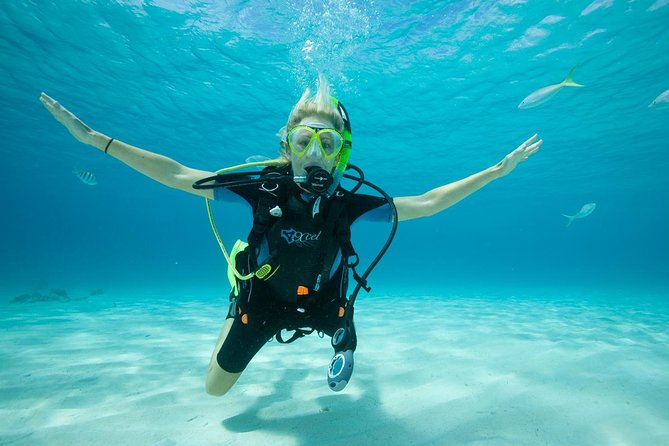
Reviewed · SCUBA DIVING COURSES & DIVES
Beginners Scuba Diving Experience in Gran Canaria
Your first bubbles on Gran Canaria are surprisingly calm, and this beginner try-out puts structure around the fun. I love the professional guidance and the fact that all gear is included, so you just show up in swimwear. You get a taste of real underwater life without signing up for a full certification course.
The day flows from paperwork and equipment setup at the centre to short skills practice in shallow water. Then you head out to a reef area and spend time underwater with an instructor right there with you, typically around the 8–11 metre range, depending on the group.
One thing to consider: timing can feel a bit tight, and the practical location details may be slightly different depending on where your group departs from—so give yourself buffer time.
In This Review
- Key Points You’ll Care About
- Meeting Blue Water in Las Palmas: What Happens Before You Go Under
- Shallow-Water Skills in the Harbour: Breathing, Signs, and Confidence
- Reef Time on a Boat: Marine Life at Around 8–11 Metres
- Equipment, What to Wear, and Little Comfort Hacks
- Safety First: How the Team Keeps Beginners Relaxed
- Price, Timing, and Getting There From Your Hotel or Cruise
- Who This Scuba Try-Out Is For (and Who Should Rethink It)
- Should You Book This Beginner Scuba Try-Out in Gran Canaria?
- FAQ
- How long is the beginner scuba experience in Gran Canaria?
- How much does it cost per person?
- Is this suitable for beginners?
- What’s included in the price?
- Do I need to bring my own scuba gear?
- Is hotel pickup or drop-off included?
- What are the meeting and ending arrangements?
- Is there an age limit or health requirement?
- Can I get a refund if I cancel or if weather changes?
Key Points You’ll Care About
- Small group size (max 8) helps you stay close to the instructor during skills and underwater time
- All equipment included means you don’t need to hunt for rental gear on holiday
- Shallow-water confidence-building happens before you go out to the reef
- Typical underwater time is around 30 minutes at beginner-friendly depths
- English instruction is available, with professional, safety-first supervision throughout
Meeting Blue Water in Las Palmas: What Happens Before You Go Under
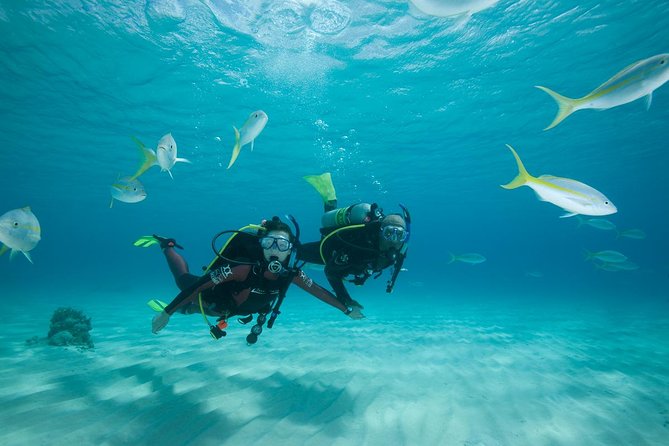
This experience is built for first-timers, and it starts like that: calm, organized, and very practical. You meet at the Blue Water centre on Calle Olimpicos (Las Palmas area). From there, you do the paperwork, sort out your kit, and get comfortable with what you’ll be using.
The tour description makes it simple, and that matters on a holiday. You’ll complete the necessary forms, then the staff helps you prepare and organize your equipment. The big value here is that you’re not expected to arrive already knowing your way around a regulator, mask fit, and buoyancy basics. If you’ve never done it before, that support is the difference between a stressful start and a smooth one.
You’ll also want to have your swimwear ready. The experience includes gear, but it doesn’t include food, drinks, or hotel pickup. In other words: plan to eat before or after, and think of this as a short, focused activity that runs on its own schedule.
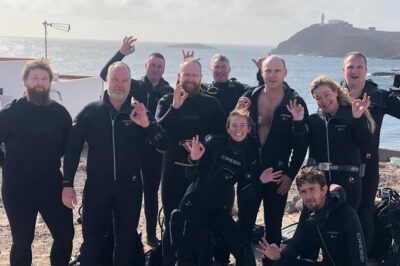
Down to the reef at El Cabron, more dives and courses
Shallow-Water Skills in the Harbour: Breathing, Signs, and Confidence
Most beginner problems happen before anyone even sees the reef. It’s usually breathing, panic control, and figuring out how to move while your mind is still used to being on land. This is why the shallow-water portion is the real star of the day.
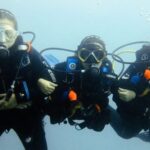
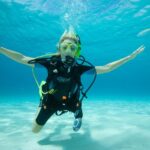
You start in shallow water and run a structured skills session. Expect practice that’s designed to get your breathing working underwater and to make the equipment feel normal. In several first-timer accounts, I’ve seen people mention that they did initial breathing practice while kneeling on the harbour floor, which helps you keep your bearings fast.
Here’s what that means for you: you’re not thrown into deep water right away. Instead, you work through the basics—how to equalize comfortably, how to handle breathing calmly, and how to follow instructor signals. One person noted there’s even a short PADI Discover Scuba knowledge quiz that you can do in advance on their website. You don’t have to treat it like homework, but doing any pre-lesson can reduce first-day nerves.
Also, the instructors don’t just point at equipment and hope for the best. Many first-timers talk about being patient with anxiety, even when someone’s breathing feels off at the start. Names that show up from past groups include Kate, Chris, Kecko, Keko, Jiles, Ari, Ailin, and Jerry—so you can expect an instructor style that aims to build confidence, not just check boxes.
Reef Time on a Boat: Marine Life at Around 8–11 Metres
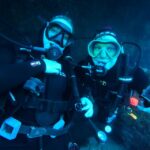
Once you’re comfortable with the shallow-water basics, the day moves to the real payoff: reef time. You board a boat and head out with an instructor close by. The underwater experience is set up for beginners, so you’ll descend to beginner-friendly depths and then swim around the reef area with guidance.
Typical underwater time is about 30 minutes, and depth often lands in the 8–11 metre range for first-timers. That might sound like a lot at first, but because it’s paced and supervised, it tends to feel manageable. You stay focused on your breathing and buoyancy while the team helps you notice what’s around you.
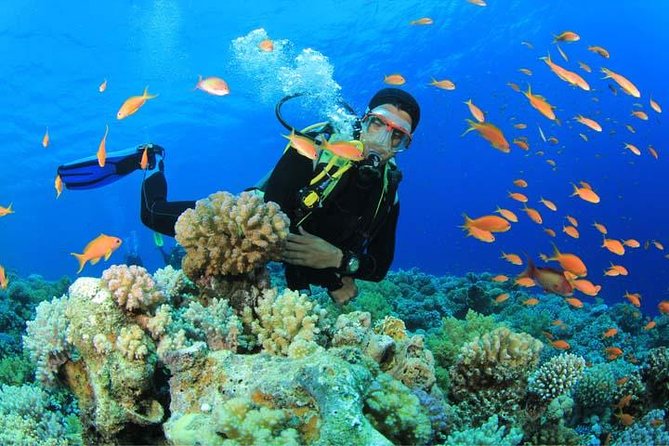
What can you actually see? People consistently report colorful reef life—shoals of fish, crabs, sea cucumbers, and sea anemones. Some folks are extra lucky. One first-timer described seeing a stingray around 2.5 metres, including a moment where they knelt on the seabed beside it before it glided away. Another person mentioned baby barracudas. Not every trip will deliver a stingray cameo, but the overall theme is the same: you get the feeling of a living underwater world, not a quick gimmick.
And if you’re worried about “what if I panic when it’s time to go down,” the pacing helps. You’re guided step-by-step, and if you need adjustments, the instructor is there. Many accounts emphasize feeling safe because you’re never left to figure it out alone.
Equipment, What to Wear, and Little Comfort Hacks
This is one of those rare experiences where the “included gear” is genuinely helpful. You don’t need to bring a mask, fins, weights, or any of the complicated stuff. The staff provides the necessary equipment, and they help you get fitted properly.
So what should you bring? The essential items are simple:
- Swimwear (plan for it to get wet and stay that way)
- Any basics your body needs to feel comfortable (like layers you don’t mind changing into)
Beyond that, think about comfort. You’ll likely be in and out of gear, and the day includes shallow-water practice before the reef portion. Wear something you can easily handle around changing and equipment fitting.
Also, plan on feeling a little chilly if you’re the type who runs cold, even in warm months. Water and wind can change how you feel between steps. One practical trick is to keep your comfort in mind during the kit-up process: if you arrive early, you’ll often have less rushing and more time to settle.
One more point: service animals are allowed. If you’re bringing one, coordinate with the provider ahead of time so everyone has a smooth workflow.
Safety First: How the Team Keeps Beginners Relaxed
Safety here isn’t just a paragraph in the listing—it shows up in how the day is conducted. The experience includes a professional guide, and the structure is designed for beginners: paperwork, equipment setup, shallow skills practice, supervised reef time, then back to the centre.
The biggest safety advantage for first-timers is supervision. Multiple first-timer accounts highlight that you have close support during the underwater portion and that instructors actively manage the group. People talk about feeling safe because an instructor is right there, not floating somewhere out of reach.
The smaller group size also matters. With a maximum of 8 travellers, the staff can do real checks: who looks tense, who needs help with gear, who needs a slower pace. That’s especially helpful if you get nervous at the start. Some participants even describe having an anxiety moment and still being helped through it so the experience could continue.
Now, there are also medical realities you should respect. Before diving, you’ll complete a health questionnaire, and certain pre-existing conditions may prevent you from participating (examples given include asthma and heart conditions). The day is not the place to ignore that. If you’re unsure, talk to your doctor first.
There’s also a flight guideline: diving within 12 hours of flying is not recommended. If your travel schedule is tight, build buffer time between flying and your scuba try-out.
Finally, this activity requires good weather. If conditions aren’t right, you’ll be offered a different date or a full refund, which is the right call for safety and comfort.


Price, Timing, and Getting There From Your Hotel or Cruise
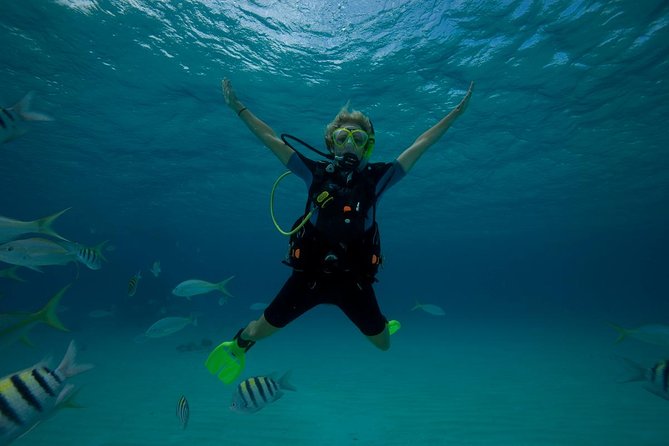
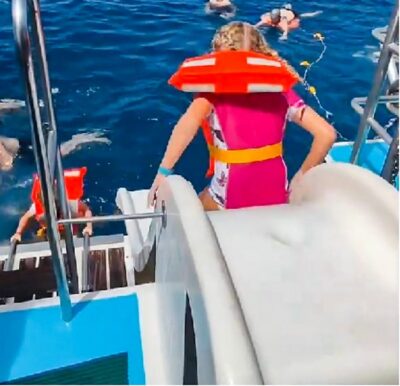
At $108.89 per person for about 2 hours, this is priced like a true introductory experience. The value isn’t that it’s cheap—it’s that you’re paying for guided supervision, a structured skills session, and the full equipment setup. If you were doing a longer course, you’d be paying for multiple days of training time. Here, you get a taste and a clear “first step” experience without the bigger commitment.
Two practical notes that affect how you feel on the day:
- No hotel pickup or drop-off: you’ll need to get yourself to the centre. If you’re staying outside central areas, check the public transportation options nearby.
- Timing can run tight: some people have reported that schedules felt rushed and that getting through each segment quickly mattered for the next group. That doesn’t mean it’s always chaotic, but it does mean you should plan to arrive early and avoid stacking other plans right before or right after.
There’s also a location detail to double-check. One set of first-timers described that the departure area felt farther south than the Las Palmas listing suggests, mentioning Puerto de Mogán and Amadores Beach. You might still meet at the Las Palmas centre, but you’ll want to confirm the practical start and boat departure logistics for your specific booking—especially if you’re on a cruise and your timing window is limited.
Who This Scuba Try-Out Is For (and Who Should Rethink It)
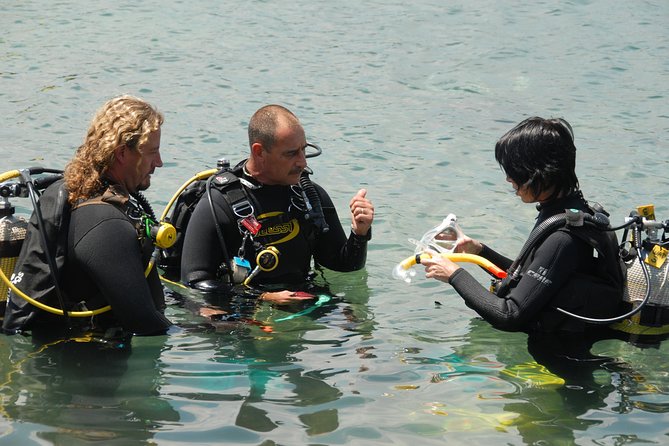
This experience is clearly aimed at beginners. It’s designed for first-timers who want to breathe underwater, move freely in three dimensions, and see real marine life with professional support. Minimum age is 10 years old, and the group size is capped at 8, which keeps the attention on you.
It’s a great fit if:
- you’re curious but hesitant
- you want a structured first experience
- you like having the “step-by-step” help, especially during the breathing and equipment setup
- you’re aiming to decide whether you want to pursue a bigger course later
It might be a bad fit if:
- you’re unwilling to complete the health questionnaire or you know you might be affected by a condition listed as potentially disqualifying (like asthma or heart issues)
- your travel schedule has you flying within 12 hours of the activity
- you expect lots of lounging time or a slow, no-pressure pace (this is a short, organized experience with a schedule)
If you’re anxious about water, take heart from the accounts of instructors working with anxious first-timers and helping them settle down. The key is being honest with the instructor at the start so they can pace you appropriately.
Should You Book This Beginner Scuba Try-Out in Gran Canaria?
If you want your first underwater experience to feel supported—and you like the idea of gear included, short, beginner-focused skills practice, and a supervised reef visit—this is a strong choice. It’s also good value for the time you get underwater, which is often around half an hour, with depths that usually stay within beginner-friendly limits.
I’d book it if:
- you’re traveling in English-friendly groups
- you want a small-group experience with safety as a priority
- you’re comfortable doing paperwork and following instructor guidance closely
I’d think twice if:
- your schedule is so tight you can’t handle a potentially brisk pace
- you’re not able to meet the health screening requirements
- you’re counting on hotel pickup, since you’ll need independent transport to the meeting point
If you go in with the right mindset—breathe, follow signals, and take the training seriously—you’ll likely come away with the same feeling many first-timers describe: grateful, surprised by how quickly it clicks, and already wondering when you can do it again.
FAQ
How long is the beginner scuba experience in Gran Canaria?
It’s listed at about 2 hours.
How much does it cost per person?
The price is $108.89 per person.
Is this suitable for beginners?
Yes. The experience is set up for beginners with shallow-water skills training before going to see the reef.
What’s included in the price?
The professional guide and all necessary equipment are included.
Do I need to bring my own scuba gear?
No. All necessary equipment is provided. You just need to remember your swimwear.
Is hotel pickup or drop-off included?
No. The experience does not include pickup or drop-off service from hotels.
What are the meeting and ending arrangements?
You start at the Blue Water centre on Calle Olimpicos in Las Palmas, and the activity ends back at the same meeting point.
Is there an age limit or health requirement?
The minimum age is 10. You’ll complete a health questionnaire before diving, and some conditions may prevent you from participating, so it’s smart to check with your doctor if you have concerns.
Can I get a refund if I cancel or if weather changes?
You can cancel for a full refund up to 24 hours before the experience start time. If poor weather cancels the activity, you’ll be offered a different date or a full refund.
More of the Gran Canaria Ledger
- Gran Canaria: Catamaran Dolphin Watch Cruise with Snorkeling★ 4.4 · 4,761 reviews
- Maspalomas: Guided Camel Ride in the Maspalomas Sand Dunes★ 4.4 · 4,526 reviews
- Poema del Mar Skip-the-Line Ticket★ 4.8 · 3,856 reviews
- Puerto de Mogán: Submarine Tour★ 4.4 · 3,792 reviews
Down to the El Cabron Reef
- Scuba Diving Experience for Beginners in Gran Canaria★ 5.0 · 561 reviews
- Gran Canaria: Try Scuba Diving for Beginners★ 4.9 · 403 reviews
- Gran Canaria: Discover Scuba Diving – Free Transfers★ 4.9 · 115 reviews
- Gran Canaria:Live an Adventure and Learn to Dive with Expert★ 4.7 · 109 reviews
Fresh on the Gran Canaria List
- Gran Canaria: Highlights & hidden gems with Sky Rebels
★ 5.0 · 3 reviews - Escape room “The gratest show on earth” at Holidayworld
★ 3.9 · 3 reviews - Wanderungen im grünen Gran Canaria
★ 5.0 · 3 reviews - 2 hours Double Pass Spa Circuit in Hotel Don Gregory
★ 3.5 · 3 reviews - Las Palmas Maspalomas Gran Canaria Salsa Lovers Dance Experience
★ 5.0 · 3 reviews - Traditional Market Day and San Mateo & Teror
★ 3.5 · 3 reviews
Scuba Diving Courses & Dives, compared.
 ★ 5.0Scuba Diving Experience for Beginners in Gran CanariaFrom $107561 reviews
 ★ 4.9Try Scuba Diving for BeginnersFrom $94403 reviews
 ★ 4.9Discover Scuba Diving – Free TransfersFrom $105115 reviews
 ★ 4.7Live an Adventure and Learn to Dive with ExpertFrom $100109 reviews
 ★ 4.4Discover Scuba Diving Beginner ProgramFrom $117103 reviews
 ★ 4.5Discover Scuba Diving in Puerto de MoganFrom $10387 reviews
 ★ 4.8Las Canteras Scuba DivingFrom $11884 reviews
 ★ 5.02 Dive Package for Qualified Divers in Gran CanariaFrom $10881 reviews
Browse the lists this tour appears in