
Reviewed · FULL-ISLAND SIGHTSEEING TOURS
Gran Canaria Highlights Full-Day Tour by Bus
Gran Canaria has a split personality, and this tour shows it fast. I like how the route jumps from lush inland valleys to dramatic high-mountain views, and then lands in pretty towns with real Canarian culture. My favorite part is the guided stops, especially when you get time to wander in Arucas and Teror rather than just drive past. The one drawback to plan for is that the day can feel long if you’re picked up far from the main tourist areas, since the bus has a lot of scheduled pickup points.
You’ll also want to know the rules of the day: there’s a packed itinerary with shorter photo stops, and lunch plus any optional church entry are extra. If you’re prone to motion sickness, the mountain roads can be bendy, and you may want to sit where you feel most comfortable.
In This Review
- Key highlights worth your attention
- Why this bus route feels like two islands in one day
- Price and value: what $51 buys you (and what it doesn’t)
- Where the bus actually picks you up (and the Las Palmas reality)
- Arucas first: quick town orientation and the San Juan Bautista church
- Teror and the Basilica of Nuestra Señora del Pino: pilgrimage-town energy
- Roque Nublo, El Teide views, and the Tejeda photo-stop style
- The Valleseco lunch break: a meal with mountain air
- Almond trees, the Valley of a Thousand Palms, and the Aloe Vera stop
- Getting around the island’s narrow roads: comfort tips that matter
- The guide experience: multilingual storytelling that keeps the day moving
- Who this tour is best for (and who should choose differently)
- Should you book this Gran Canaria highlights bus tour?
- FAQ
- Is lunch included?
- How long is the tour?
- Where does the bus pick up, and is Las Palmas included?
- What places are visited during the day?
- Is the church entrance in Arucas mandatory?
- What languages is the guide available in?
- Is the tour suitable for wheelchair users or mobility impairments?
- What items are not allowed on the tour?
- If I miss the pickup, will I get a refund?
Key highlights worth your attention
- Arucas church visit and town time for proper wandering, not just a quick photo stop
- Teror and the Basilica of Nuestra Señora del Pino, the pilgrimage heart of the island
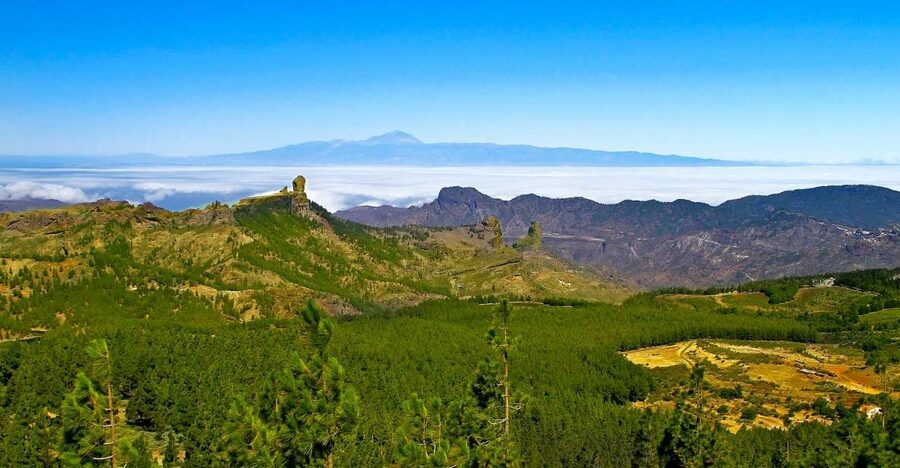
- Roque Nublo and high-view viewpoints tied to that Unamuno description of Gran Canaria as a frozen tempest
- Valleseco lunch stop in the middle of the greener interior (meal is not included)
- Finca Canarias Aloe Vera visit, a practical stop if you want a taste of local production and shopping
Why this bus route feels like two islands in one day
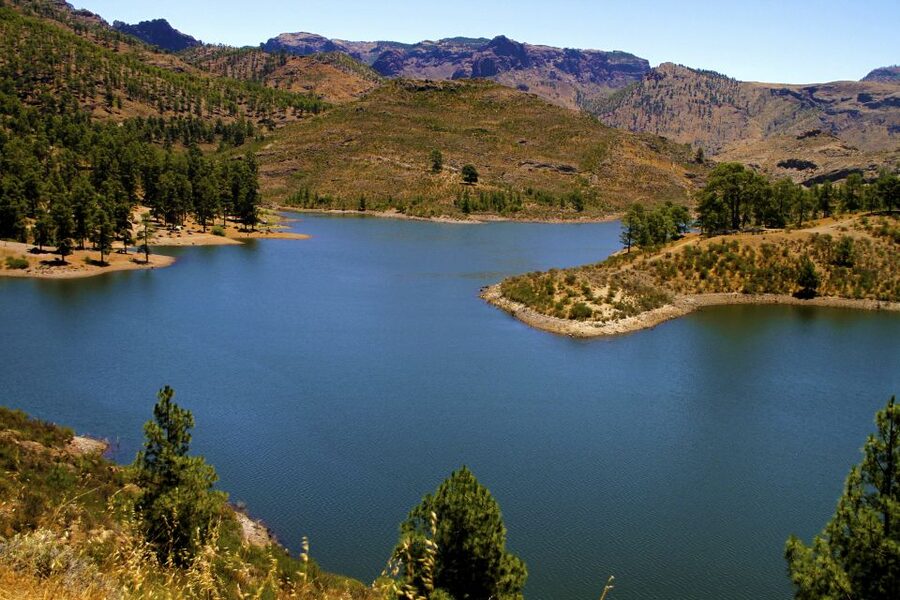
Gran Canaria’s best trick is contrast. From the south-coast resorts, everything looks dry and sun-baked. Then this tour pushes you inland, where valleys turn greener and the island starts to feel cooler and wilder.
I like that the route doesn’t just chase mountains. You also get typical villages and colorful Canarian architecture, so you can connect the scenery to how people actually live there. And because you’re on a coach with a guide, you’re not stuck guessing what you’re looking at when the view suddenly changes.
The tour’s highlight is the feeling that Gran Canaria is weather and rock doing backflips. Sites like Roque Nublo and the El Teide mountain area are famous for that dramatic, almost otherworldly presence, and the guide ties it to Unamuno’s frozen tempest idea.
The whole island in one go, more ways to do it

Price and value: what $51 buys you (and what it doesn’t)
For about $51 per person, you’re paying for four big things: an air-conditioned bus, a professional guide, a driver, and pickup from tourist areas. In practice, that means you’re buying the heavy lifting—routes, timing, and navigation through the island’s winding roads—without renting a car.
What’s not included is important: lunch is extra, and there’s at least one optional entrance you may pay for on-site (the Gothic Church of San Juan Bautista de Arucas). In other words, your main extra costs are meals and optional tickets, not “mystery fees.”
If you want to keep your budget under control, plan to pay for lunch at the Valleseco stop and bring a little extra for drinks. Many people treat the lunch break as part meal and part scenic reset, so it’s worth budgeting for it instead of trying to snack your way through.
Where the bus actually picks you up (and the Las Palmas reality)
This is the part that can surprise people: there’s no pickup or drop-off in Las Palmas city and not at the harbour. Instead, you’re expected to make your way to Parque Tropical (on the South Island side), then the bus returns you to your original pickup point.
If you’re staying around Maspalomas or Playa del Inglés, this usually feels simple. If you’re closer to Las Palmas proper, you’ll need to plan your own public transport connection to the meeting area.
One more practical note: pickup points are numerous—33 options—and the schedule is built around collecting people from different hotels and stops. That means your “8 hours” depends on how close your pickup is to the loop the bus is running.
Arucas first: quick town orientation and the San Juan Bautista church

Arucas is a strong early stop because it gives you a sense of the island’s identity beyond the resort bubble. You get a guided introduction (short, but focused) and then a little free time to walk around on your own.
The centerpiece is the Parroquia de San Juan Bautista de Arucas. It’s described as a unique Gothic church, and the entrance is optional—you’ll pay there if you choose to go in. This optionality is handy: if you love interiors and detail, you can go; if you’d rather use your time for street-level wandering and photos, you can skip it.
One small strategy: use the guided segment to learn what to look for—church details, town structure, and local references—then spend your free time doing the “see it for yourself” part.
Teror and the Basilica of Nuestra Señora del Pino: pilgrimage-town energy
Teror feels like the island’s cultural center when you step off the bus. You’ll get a dedicated visit period (not just a drive-by) to explore at a slower pace.
The anchor is the Basílica de Nuestra Señora del Pino. Even if you’re not chasing religious landmarks, pilgrimage towns have a distinct rhythm: architecture, local life, and the way people move through the streets. It’s one of those stops where the guide’s context matters—suddenly the scenery has meaning.
You’ll want to manage your time here. Teror is popular for a reason, and a shorter window can leave you wanting more. Still, it’s a good balance for a day tour because you get enough time to wander, take in the vibe, and not feel rushed through everything.



Roque Nublo, El Teide views, and the Tejeda photo-stop style
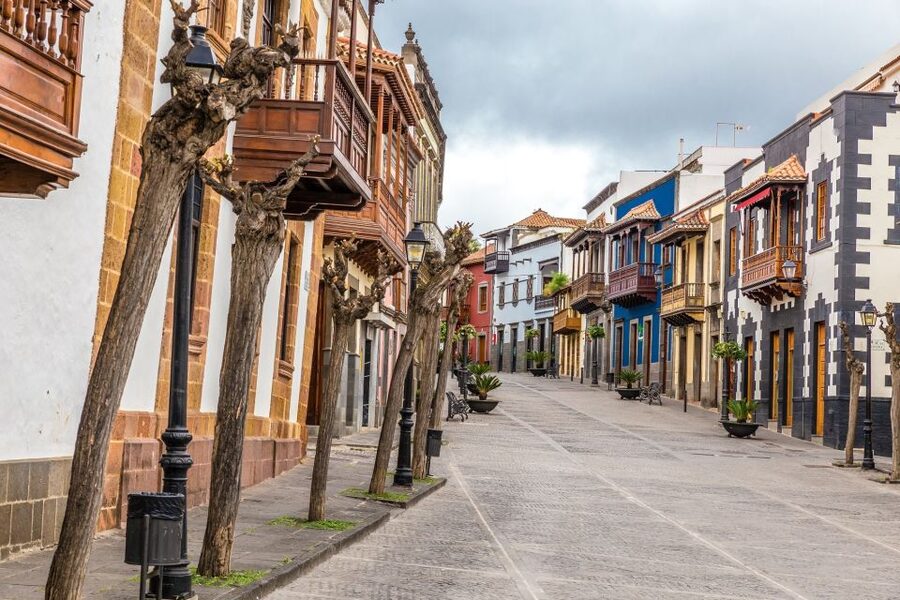
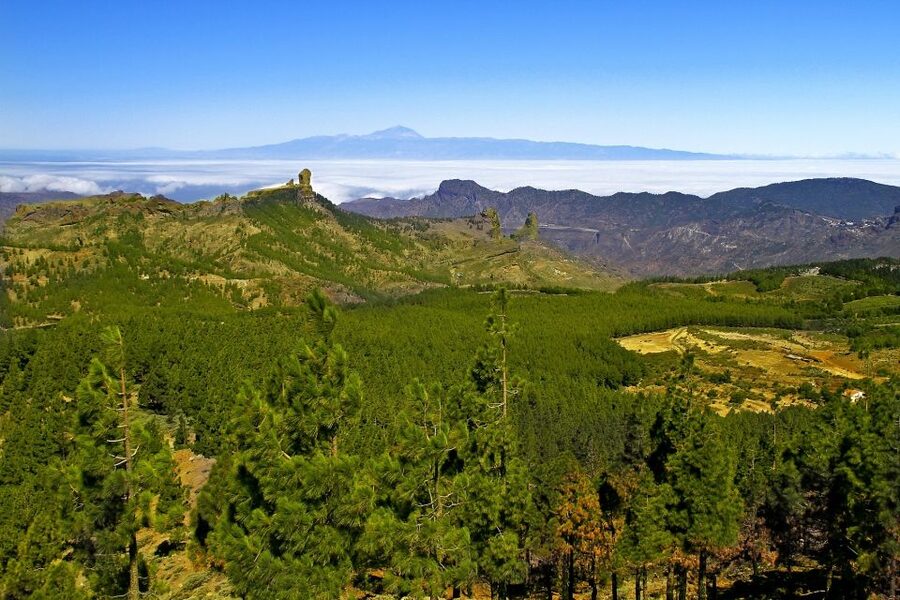
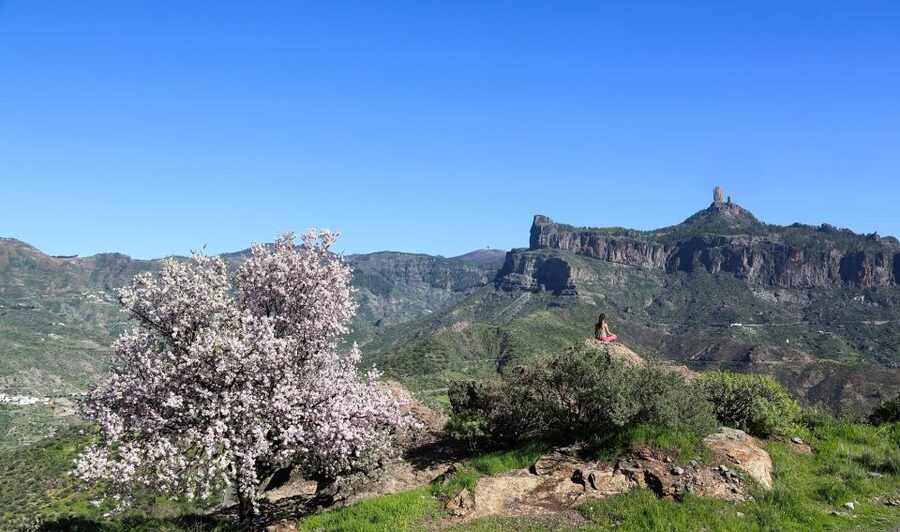
This is where Gran Canaria flexes its drama. The route is designed to show you how the island earns that frozen tempest reputation—big sky, sharp rock forms, and views that make you stop talking for a second.
Roque Nublo is one of the names you’ll hear tied to those mountain-scale views. The tour also points toward the El Teide mountain perspective—meaning you’re not just seeing local peaks; you’re looking at the broader volcanic story of the region.
Then you hit Tejeda, mostly as a photo-stop type moment. You’ll likely get a quick break for pictures and a few minutes to appreciate the view, but it won’t be an hour-long wander. If you want the best chance at photos without feeling rushed, arrive ready to shoot—phones charged, camera ready, and jacket on if it’s cooler up high.
Tip that actually helps: if you care about valley views, sit on the side of the bus that gives you the better sightline. One rider recommended choosing the right side for the valley views below, and on a route like this, that kind of detail can change your photo quality.
The Valleseco lunch break: a meal with mountain air
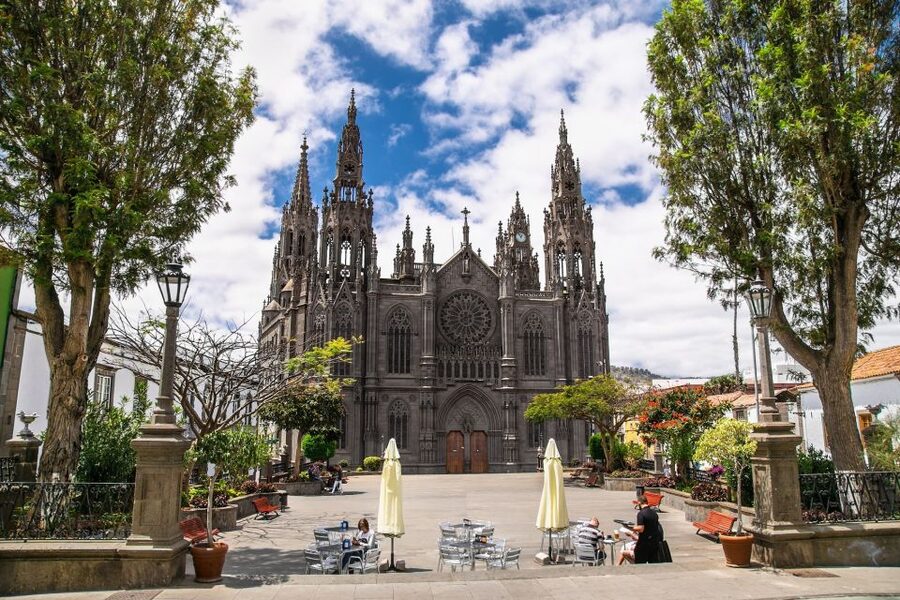
Lunch happens in Valleseco with about an hour for the break. Since lunch is not included, you’re choosing from what the lunch stop offers there.
This is one of those moments where you should treat the meal as part of the experience, not just fuel. The setting is described as beautiful, with views that make the stop feel like a reward after all the bus time and road twists.
If you’re picky about meals, plan ahead mentally. You might not have the freedom to roam for your own restaurant choice, because the tour is set up around that one lunch location. Still, it’s a fair trade-off: you’re seeing inland Gran Canaria without spending your day solving transport logistics.
Practical advice: bring cash/card flexibility and expect drinks to cost extra. A couple of people reported set-menu style lunches and then additional charges for beverages.
Almond trees, the Valley of a Thousand Palms, and the Aloe Vera stop
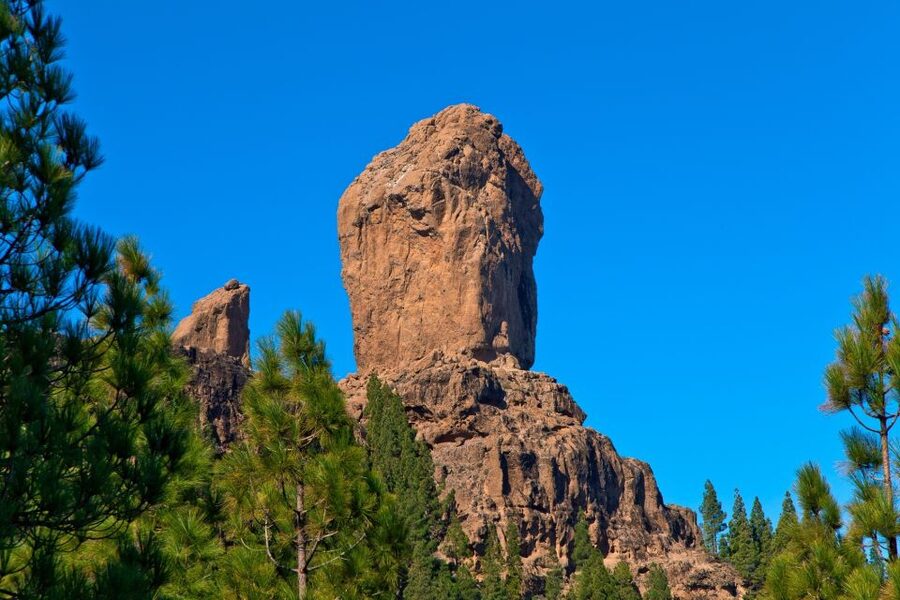
Between the towns and the high viewpoints, you’ll pass through the greener, more agricultural parts of the island. The tour includes time passing almond trees in Ayacata and the village of Fataga, described as the Valley of a Thousand Palms.
This kind of stop is subtle but valuable. It helps you understand why the island feels different in different directions. You’re not only looking at rock and cliffs—you’re seeing the island’s working side, where plants and valleys shape daily life.
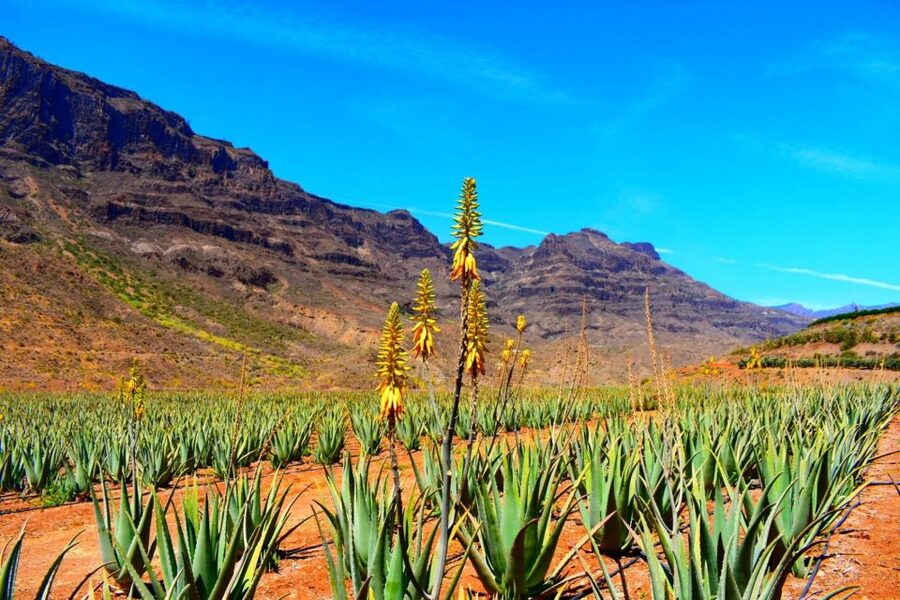
Later, there’s a visit to Finca Canarias Aloe Vera with about 50 minutes. Expect this to be part shop, part explanation of production, and part chance to buy if aloe products interest you. One caution from a real-world perspective: the shop-related segments can feel sales-heavy to some people, so go in with eyes open and treat it as a flexible break—look, ask questions, and buy only if it fits your taste.
If you don’t want shopping, use that time for browsing and keep an eye on your end time so you’re back on the bus when the group reconvenes.
Getting around the island’s narrow roads: comfort tips that matter
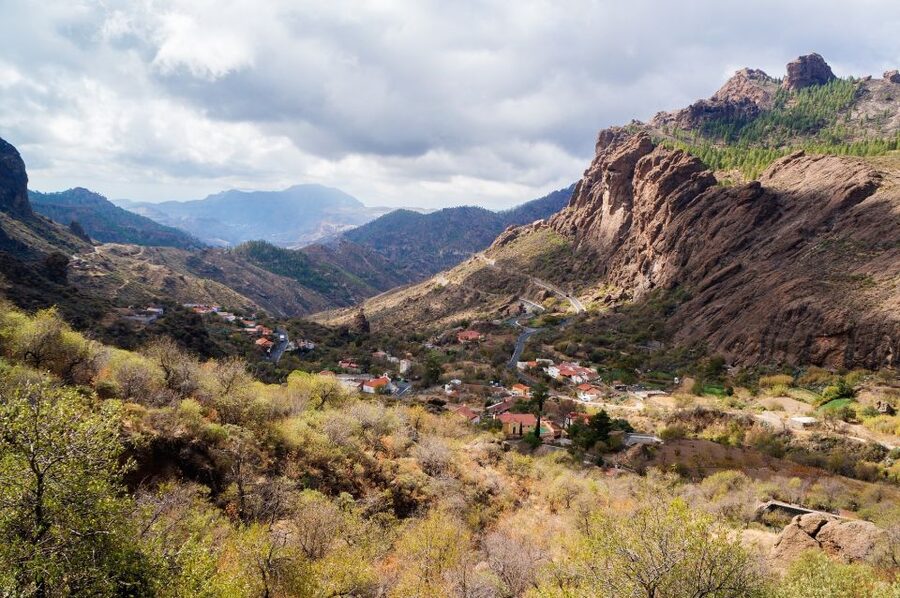
The drive is a big part of the experience here because you’re traveling through narrow mountain roads and switching elevations. The tour is on a modern, air-conditioned coach, which helps, but physics is still physics: if you’re sensitive, the winding turns can hit you.
Some riders reported motion sickness, especially because of the steep bends and serpentine roads. If you know you react to curvy driving, bring your usual motion sickness remedy. And if you can choose seats at pickup, consider it more than a comfort preference—it can affect your whole day.
The driver skill also matters. Several riders praised careful maneuvering through tight bends. Translation: you’ll feel it in the ride, but the driving is professional enough that you’re not white-knuckling the whole way—just white-knuckling a little.
One small photo tip: if your bus windows aren’t perfectly clean, wipe a spot before key photos. Fingerprints and smudges can steal detail, and you’ll miss the sharpness you came for.
The guide experience: multilingual storytelling that keeps the day moving
The tour is led by a live guide available in English, German, and Spanish. The guide’s job isn’t only to name places—it’s to connect the dots between geology, culture, and daily island life.
In many recent groups, the guide has been Tom, and drivers have included Alexander. Other guide/driver combinations show up too, which suggests staffing can vary, but the consistent point is that the guide is actively explaining the route all day, not just handing you directions.
Two practical things I recommend because the best guides make a difference in real time:
- Use the guide’s explanation before free time. It turns a quick stroll into something you actually understand.
- Ask questions if you have them. Pilgrimage culture, valley farming, and mountain viewpoint logic are all things a guide can answer on the spot.
If your language is English (or German or Spanish), watch the guide’s pace during narration. Some people noted the guide’s English could vary, so if language is crucial, plan to read body cues and rely on visual learning when needed.
Who this tour is best for (and who should choose differently)
I think this tour fits best if you want a high-value overview without renting a car. It’s also a good choice for first-timers on Gran Canaria who want to understand the island’s interior quickly, with enough stops to feel like a real day out.
It’s also ideal if you like a guided structure. You get pickup convenience, a planned route through inland valleys, and time allocations that keep things moving.
Skip it, or at least reconsider, if you:
- need wheelchair access or mobility support (it’s not suitable for mobility impairments or wheelchair users)
- hate coach days with lots of stop-start time
- want long free wandering hours in one town (this tour spreads time across multiple places)
Also keep in mind: your windows on the island are time-limited. Arucas and Teror are better for walking. Tejeda and viewpoints are more “grab the moment” than “sit and linger.”
Should you book this Gran Canaria highlights bus tour?
Book it if you want to see inland Gran Canaria fast—towns, churches, mountain views, and working valleys—all wrapped into one organized day with pickup from tourist areas and a multilingual guide. At $51, you’re getting strong value for the transport and guidance you’d otherwise spend hours coordinating yourself.
Don’t book it if you specifically need Las Palmas city access, long free time in a single destination, or step-free accessibility. And if you’re sensitive to winding roads, come prepared with a motion plan (seat choice, remedy, and a flexible attitude about timing).
If you go in with that mindset, this tour does what it promises: it shows you why Gran Canaria isn’t one place. It’s several worlds packed into a day’s drive.
FAQ
Is lunch included?
No. Lunch is not included in the price. You’ll have a lunch stop in Valleseco with about an hour for your meal, and you pay for lunch there.
How long is the tour?
The tour duration is listed as 8 hours, including the return transfers. Timing is approximate and can shift depending on pickup areas and other incidents.
Where does the bus pick up, and is Las Palmas included?
Pickup is included from tourist areas, but there is no pickup in Las Palmas city or at the harbour. You must go to Parque Tropical (South Island) on your own to be picked up, and you return to your original pickup point.
What places are visited during the day?
You’ll visit or stop in Arucas (including the Parroquia de San Juan Bautista de Arucas), Teror (including the Basílica de Nuestra Señora del Pino), Valleseco (lunch), Tejeda (photo stop), and Finca Canarias Aloe Vera. The route also includes viewpoints connected to Roque Nublo and the El Teide mountain area, plus passes through areas like Ayacata and Fataga.
Is the church entrance in Arucas mandatory?
No. Entrance to the Gothic Church of San Juan Bautista in Arucas is optional. If you choose to enter, you pay there.
What languages is the guide available in?
The live guide speaks English, German, and Spanish.
Is the tour suitable for wheelchair users or mobility impairments?
No. It is listed as not suitable for people with mobility impairments and wheelchair users.
What items are not allowed on the tour?
Pets are not allowed, as well as oversize luggage and luggage/large bags. Smoking is also not allowed. Mobility scooters and electric wheelchairs are not allowed, and non-folding wheelchairs are not allowed.
If I miss the pickup, will I get a refund?
The information states that if you do not arrive at the pickup point on time, no refund and/or modification of the booking will be accepted.
More of the Gran Canaria Ledger
- Gran Canaria: Catamaran Dolphin Watch Cruise with Snorkeling★ 4.4 · 4,761 reviews
- Maspalomas: Guided Camel Ride in the Maspalomas Sand Dunes★ 4.4 · 4,526 reviews
- Poema del Mar Skip-the-Line Ticket★ 4.8 · 3,856 reviews
- Puerto de Mogán: Submarine Tour★ 4.4 · 3,792 reviews
All of Gran Canaria in a Day
- Las Palmas: 8-Hour Gran Canaria Island Highlights Tour★ 4.9 · 996 reviews
- Gran Canaria: Rural Villages Guided Sightseeing Tour★ 4.6 · 661 reviews
- From Las Palmas: Highlights of Gran Canaria Day Tour★ 4.6 · 566 reviews
- Full Day Across the Island Tour from Las Palmas★ 5.0 · 505 reviews
Fresh on the Gran Canaria List
- Gran Canaria: Highlights & hidden gems with Sky Rebels
★ 5.0 · 3 reviews - Escape room “The gratest show on earth” at Holidayworld
★ 3.9 · 3 reviews - Wanderungen im grünen Gran Canaria
★ 5.0 · 3 reviews - 2 hours Double Pass Spa Circuit in Hotel Don Gregory
★ 3.5 · 3 reviews - Las Palmas Maspalomas Gran Canaria Salsa Lovers Dance Experience
★ 5.0 · 3 reviews - Traditional Market Day and San Mateo & Teror
★ 3.5 · 3 reviews
Full-Island Sightseeing Tours, compared.
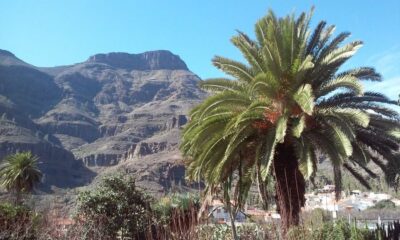 ★ 4.9Las Palmas: 8-Hour Gran Canaria Island Highlights TourFrom $54996 reviews
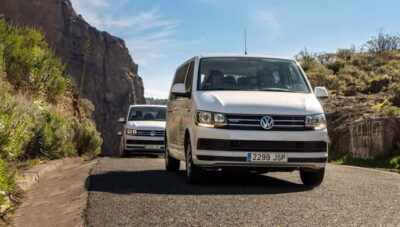 ★ 4.6Rural Villages Guided Sightseeing TourFrom $86661 reviews
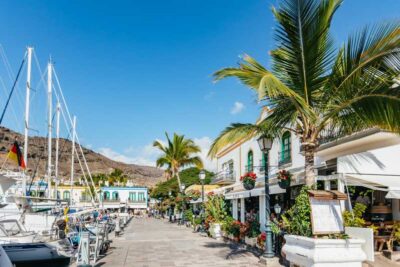 ★ 4.6From Las Palmas: Highlights of Gran Canaria Day TourFrom $57566 reviews
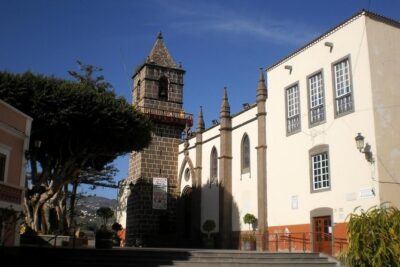 ★ 5.0Full Day Across the Island Tour from Las PalmasFrom $55505 reviews
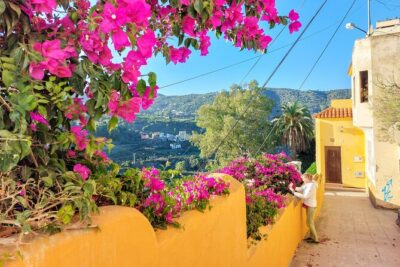 ★ 5.0Gran Canaria 7 Highlights Small Group Tour with Tapas PicnicFrom $115316 reviews
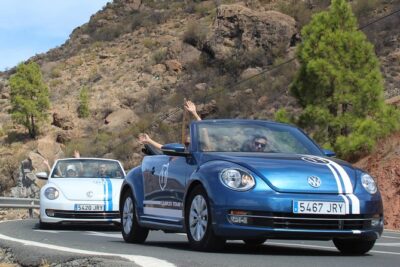 ★ 5.0Vw Beetle Convertible Island tour Discover the island on a different wayFrom $91274 reviews
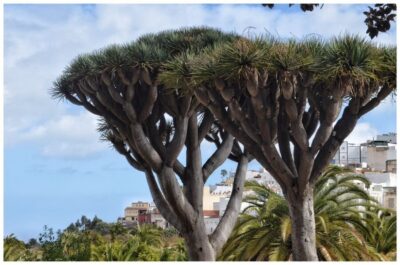 ★ 4.7From Las Palmas: Full-Day Tour of the NorthFrom $54227 reviews
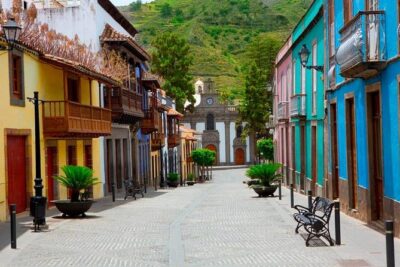 ★ 4.5Arucas, Teror, Viewpoint Roque Nublo – Highlights Gran CanariaFrom $53170 reviews
Browse the lists this tour appears in