
Reviewed · TEROR & TRADITIONAL VILLAGES
Gran Canaria: Rural Villages Guided Sightseeing Tour
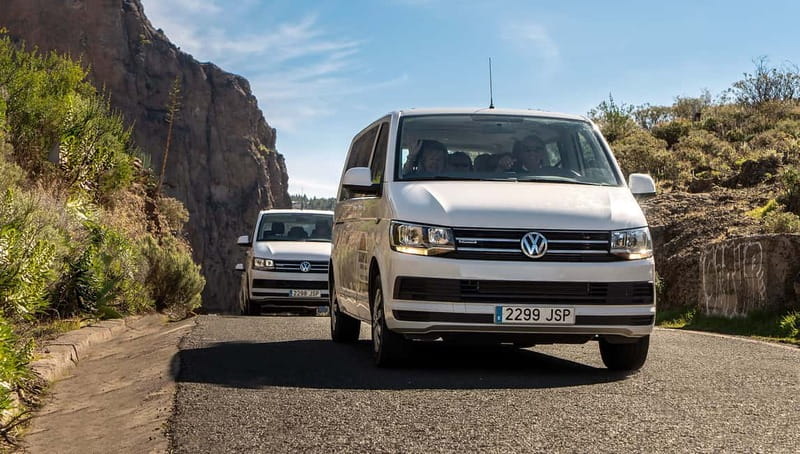
Gran Canaria looks different every hour. This 8-hour, small-group minivan tour strings it all together from the south to the north without the stress of driving.
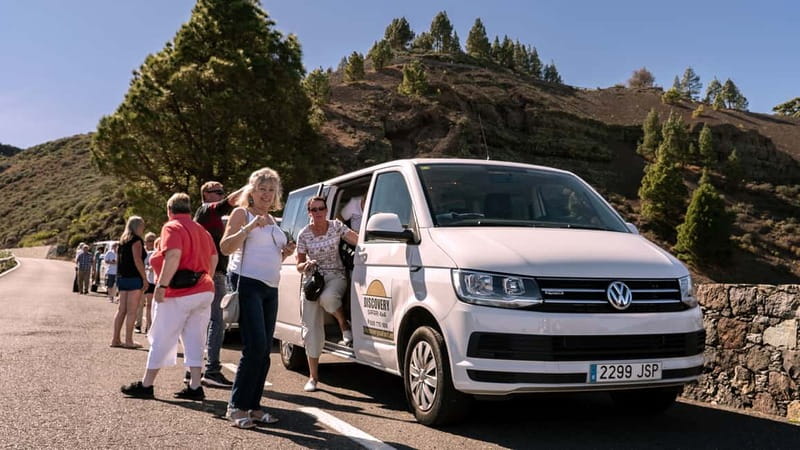
I love the small-group comfort—up to 8 people per van—so you get real conversations, not head-count herding. I also like that the day mixes villages + viewpoints + a guided walk, from Tejeda’s classic old center to Artenara’s cave houses, with guides like Charlie, Jan, and Kevin called out for being professional and good company.
The main thing to plan for is the long, windy mountain driving and a full day on the go; plus lunch is on your own at the mid-day stop (Fontanales).
In This Review
- Key highlights worth getting excited about
- South-to-north in comfort: what the VIP minivan setup really means
- The first climb: Maspalomas photo stop and an easy start from your pick-up
- Fataga’s valley feel: photo stops and the Thousand Palms area
- La Degollada Astronomical Viewpoint: the high-altitude pause that’s worth dressing for
- San Bartolomé de Tirajana and Ayacata: the climb framed by ravines and almond groves
- Tejeda’s old center: one of Spain’s best-feeling mountain villages
- Artenara and the cave houses: guided time that turns sightseeing into understanding
- Mid-day rhythm in Fontanales: free time for lunch you choose
- Moya, the Tilos Valley, and the north-coast payoff near San Felipe
- Las Palmas pass-through: fast views on the way back south
- Price and value check: is $86 a fair deal?
- Who should book this tour
- Should you book this Gran Canaria rural villages tour?
- FAQ
- How long is the Gran Canaria rural villages tour?
- How many people are in each minivan?
- Is pick-up and drop-off included?
- Where does the tour take place on the island?
- Is lunch included?
- What language is the live guide?
- Does the tour run in bad weather?
- What should I bring?
- Is the tour suitable for people with mobility impairments?
- Are there restrictions on bags, smoking, or wheelchairs?
Key highlights worth getting excited about
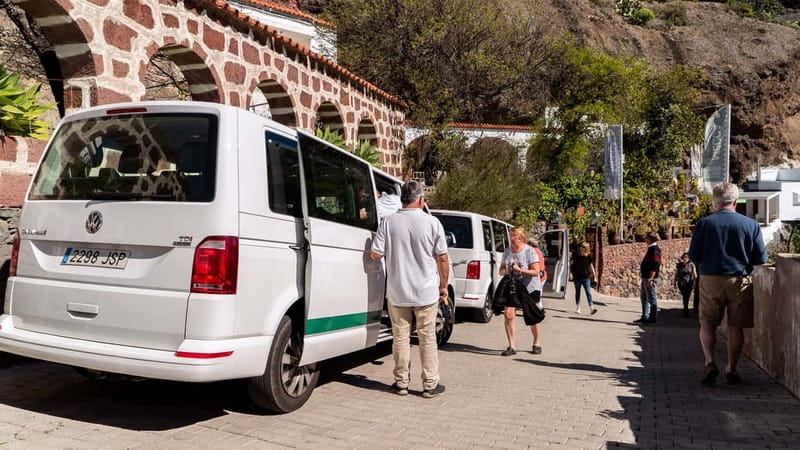
- Up to 8 people per minivan for a more personalized pace than big-bus tours
- Tejeda and Fataga bring old-stone village charm and excellent photo stops
- Artenara cave houses include a guided visit and a short walk
- Astronomical viewpoint La Degollada adds that big-sky, high-altitude feeling
- North-coast viewpoints near San Felipe show the Atlantic hitting the shore
- Fontanales lunch break gives you choice, because lunch isn’t included in the price
South-to-north in comfort: what the VIP minivan setup really means
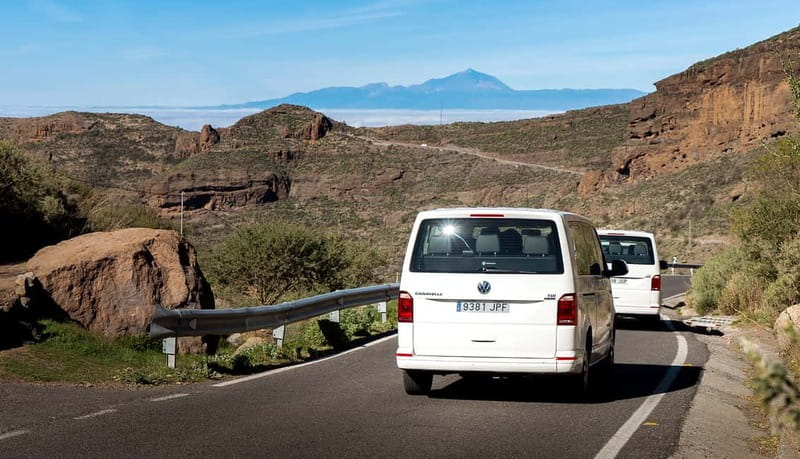
This tour is built around the idea that Gran Canaria is best seen by moving across regions, not just hitting one resort-adjacent “highlight.” You start in the south, then work your way over the island’s high ground toward the north coast. The route takes you across mountain roads, ravines, and midlands villages—so you get a real sense of how the island changes.
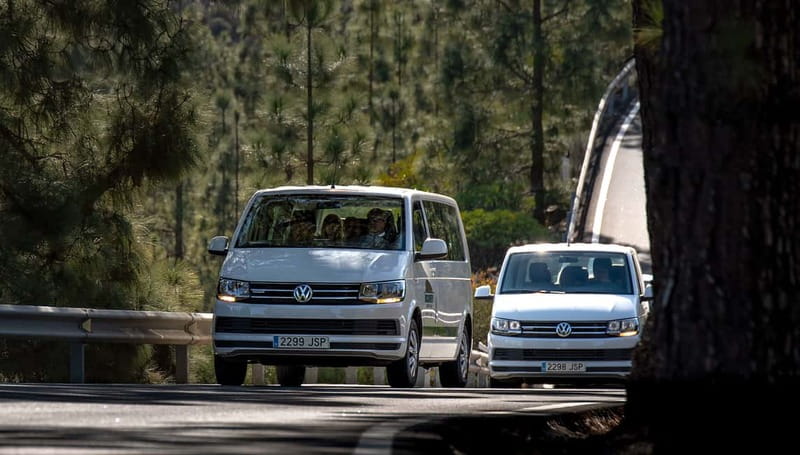
The biggest practical win is the size. With a maximum of 8 people in each modern minivan, the stops feel calmer. You’re not fighting for the best viewpoint spot or waiting while a bus unloads. And because it’s a guide-driver format, the person guiding you is also focused on getting you safely over those bendy stretches.
One more small detail that matters: you’ll be out for about 8 hours, rain or shine. If you want this day to feel relaxed, bring layers you can adapt to the colder, windier north side when the weather flips.
More lanes through Teror, Arucas and the north
The first climb: Maspalomas photo stop and an easy start from your pick-up
Your day begins with a lot of convenience: many pick-up options across the south, with hotel pickup and drop-off only available in that southern area. That matters because it keeps the schedule tight. Instead of meeting across town, you get collected near where you’re staying.
Early on, there’s a Maspalomas photo stop to get your bearings. Even if you’ve seen the dunes from a distance, it’s a useful warm-up—by the time you’re higher up and inland, you’ll start noticing how the island’s “dry” and “lush” moods alternate.
If you’re prone to motion sickness, start hydrating early and consider sitting where it feels smoothest for you. Some parts of Gran Canaria’s driving can feel long and curvy, especially once you’re heading for higher elevations.
Fataga’s valley feel: photo stops and the Thousand Palms area
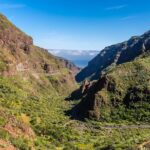
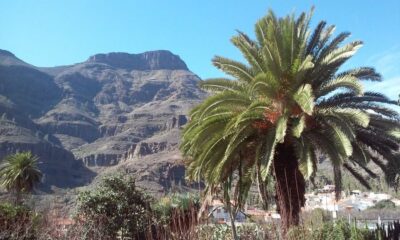
After the warm-up, the tour heads toward Fataga, a village known for its traditional feel and dramatic setting. You’ll get a photo stop here, plus scenic driving time that’s clearly meant for looking out the windows—ravines, slopes, and sudden view angles as the road changes elevation.
From there, the itinerary points you toward the Valley of the Thousand Palms area. Even if you only get a short look, the effect is memorable: it’s one of those spots where Gran Canaria stops feeling like a beach island. You’re seeing the midlands’ mix of agriculture and terrain shaping daily life.
Two things I’d suggest you do at Fataga:
1) Bring your camera settings ready. Light changes fast in mountain valleys.
2) Keep some space in your legs for walking. The stopping points are short, but they’re better when you’re not rushing.
La Degollada Astronomical Viewpoint: the high-altitude pause that’s worth dressing for
One of the day’s standout moments is the stop at La Degollada Astronomical Viewpoint. Astronomical viewpoints are chosen for big, clear sightlines, and that’s exactly the feeling you get here: you’re higher than you expected, with the island stretched out beneath you.
This is also where I’d remind you to pack a jacket. Even when the south is warm, the north and higher elevations can feel cool and breezy. Layering is the difference between enjoying the view and doing the polite-cold shuffle.
Also, use this stop to mentally reset. After Fataga’s village vibe, La Degollada gives you perspective on how the island’s geography drives everything that comes next.
San Bartolomé de Tirajana and Ayacata: the climb framed by ravines and almond groves
As you travel, you’ll pass through areas like San Bartolomé de Tirajana and the almond grove region near Ayacata. These are not big-ticket destinations in the way some towns are marketed, but that’s kind of the point.
This section is where you start to understand that Gran Canaria is agricultural and sculpted. The road cuts past ravines, terraces, and rows of plant life, and the guide’s explanations help you connect what you’re seeing to how the island works.
You’ll likely get photo time along the way, and those small pull-offs are the moments where the day can feel like a moving gallery. The key is to stay present: if you watch the road only, you miss why the tour exists.
The whole island in one go, more ways to do it
Tejeda’s old center: one of Spain’s best-feeling mountain villages
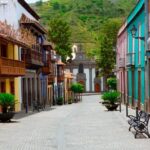
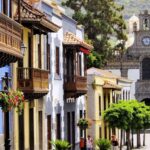
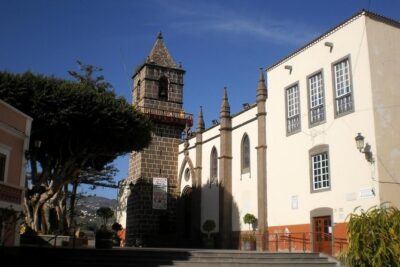
Then comes the ascent to Tejeda, often described as one of Spain’s most beautiful villages, and it earns that reputation with its old-stone character and high-altitude views.
You’ll have break time plus sightseeing and photo stops. This is a great moment for slow travel habits:
- Walk the edges of the village lanes when you can.
- Pause for the view lines that look simple but take a few minutes to line up.
- If you like local snacks, this is one of the stops where the day’s “taste local products” idea can fit naturally. (Specific tastings aren’t included in the price, but you’ll have chances tied to the visit.)
Tejeda is also a good checkpoint for the day. You’ve seen the south’s tourist energy. Now you’re in the mountains, where the rhythm changes.
Practical note: bring comfortable shoes. Cobblestones and uneven ground are common in older villages, and you’ll want to enjoy the walking without worrying about every step.
Artenara and the cave houses: guided time that turns sightseeing into understanding
Next up is Artenara, and the highlight is its cave houses. This is one of those experiences where a guide makes a noticeable difference. You’re not just looking at rock dwellings; you’re learning why people lived this way and what the setting meant for daily life.
You’ll get a guided tour and a walk time, plus photo stops and scenic drive moments on either side. The guided piece matters because cave houses can be visually cool but historically vague if you’re on your own.
This is also a good stop for group questions. In a bigger tour, people rush and you lose details. In a smaller van, you can actually ask what you don’t get.
If you’re visiting during a cooler part of the day, dress for it. Cave environments can feel cooler and a touch damp compared with the open air.
Mid-day rhythm in Fontanales: free time for lunch you choose
Midway through the day you’ll reach Fontanales, with free time for lunch. Lunch itself isn’t included in the price, so this break is more about giving you control.
Here’s what to think about before you order:
- Look at what’s being served when you arrive, not just what sounds good on paper.
- If you have dietary preferences, ask right away.
- If you’re trying to keep the day easy on your budget, decide your lunch spend before you sit down and get tempted by extra items.
Some people love this lunch break. Others find it’s the least consistent part of an otherwise strong day—so my advice is simple: treat it as a flexible rest stop, not a “must be perfect” meal.
You’ll also pass additional viewpoints around this midlands section. Think of this as the slower, more local slice of the route—less about one signature photo and more about the feeling of island life away from the coasts.
Moya, the Tilos Valley, and the north-coast payoff near San Felipe
As you head north, the route includes places like Moya and the Tilos Valley, then pushes toward San Felipe, a charming coastal village.
This part is where the tour delivers its emotional payoff: you start seeing the Atlantic’s mood change. It’s not just a view—you get those moments where waves slap the shore and the coast looks busy even when you’re not there with swimmers or restaurants.
Photo time here is often quick, so plan to move when the group moves. The best pictures come from being ready right when the viewpoint opens up, not from scrambling after everyone else has already stopped.
If you’ve been sitting in one position for hours, stretch briefly before the final segments. You’ll appreciate it more than you think.
Las Palmas pass-through: fast views on the way back south
On the way back, the tour runs around Las Palmas to connect with the southern highway. This isn’t about lingering in the city; it’s about getting you back efficiently while still giving a sense of the bigger urban area you’ve been driving past.
When you re-enter the south, the day can feel like a time-lapse. You’ll realize how much variety is packed into one drive: high peak views, village stones, cave dwellings, and then the ocean again.
Price and value check: is $86 a fair deal?
At $86 per person for an 8-hour, guided, small-group minivan day, the value comes from two things: comfort and coverage.
First, you’re paying to avoid the hassle of a self-drive day across mountain roads. Renting a car can seem straightforward until you add parking, routing, and timing across multiple villages. Here, you get a structured route and a guide-driver taking on the hardest driving.
Second, you’re paying for “time with context.” Tejeda and Fataga are beautiful, sure, but the cave houses in Artenara are the type of site where a guide helps you actually get what you’re looking at. Add in multiple viewpoint stops, and $86 doesn’t feel like you’re just paying for seat time.
Where the price can feel less “perfect” is lunch, because lunch isn’t included. If you were hoping for an all-in meal plan, you’ll need to budget for lunch separately and choose your restaurant during the Fontanales break.
Who should book this tour
Book it if you want:
- A guided island-crossing day with minimal stress
- Village stops you can actually enjoy on foot (not just photo pulls)
- An Artenara visit that includes explanation, not just viewing
Skip it if you:
- Have mobility limits, since it’s noted as not suitable for people with mobility impairments
- Get motion sick easily and don’t handle windy mountain roads well
- Want a very relaxed, slow day. This route keeps moving.
Should you book this Gran Canaria rural villages tour?
If you’re the type who loves variety—villages, viewpoints, and that “I didn’t know Gran Canaria could look like this” feeling—this tour is a strong choice. The small group size is the real differentiator, and the mix of Tejeda + Artenara makes it more than a scenic drive.
I’d book it with one mindset: treat it as a full-day panorama in human scale. Dress for shifting weather, bring good shoes, and plan lunch spending ahead. If you do that, you’ll come away with a much broader sense of the island than you’d get staying in one coastal bubble.
FAQ
How long is the Gran Canaria rural villages tour?
It runs for 8 hours.
How many people are in each minivan?
Each minivan is for up to 8 people.
Is pick-up and drop-off included?
Yes, pick-up and drop-off are included, but hotel pick-up and drop-off are only available in the south of Gran Canaria. The operator confirms your exact pick-up time and location.
Where does the tour take place on the island?
It takes you from the south of Gran Canaria across the island toward the north coast, with stops that include Tejeda, Artenara (cave houses), and a coastal area near San Felipe, plus a pass by Las Palmas on the way back.
Is lunch included?
Lunch is not included in the price. There is free time for lunch at Fontanales (and lunch/tastings/drinks are listed as optional).
What language is the live guide?
The live guide is available in Italian, Swedish, Russian, Dutch, English, French, German, Spanish, and Lithuanian.
Does the tour run in bad weather?
Yes. The tour takes place rain or shine.
What should I bring?
Bring comfortable shoes, a jacket, and comfortable clothes.
Is the tour suitable for people with mobility impairments?
No, it is not suitable for people with mobility impairments.
Are there restrictions on bags, smoking, or wheelchairs?
You cannot bring luggage or large bags, smoking isn’t allowed in the vehicle, and electric wheelchairs aren’t allowed.
More of the Gran Canaria Ledger
- Gran Canaria: Catamaran Dolphin Watch Cruise with Snorkeling★ 4.4 · 4,761 reviews
- Maspalomas: Guided Camel Ride in the Maspalomas Sand Dunes★ 4.4 · 4,526 reviews
- Poema del Mar Skip-the-Line Ticket★ 4.8 · 3,856 reviews
- Puerto de Mogán: Submarine Tour★ 4.4 · 3,792 reviews
All of Gran Canaria in a Day
- Las Palmas: 8-Hour Gran Canaria Island Highlights Tour★ 4.9 · 996 reviews
- From Las Palmas: Highlights of Gran Canaria Day Tour★ 4.6 · 566 reviews
- Full Day Across the Island Tour from Las Palmas★ 5.0 · 505 reviews
- Gran Canaria 7 Highlights Small Group Tour with Tapas Picnic★ 5.0 · 316 reviews
Through Teror and the Northern Villages
- South Gran Canaria: Off-Road Valleys & Villages Jeep Tour★ 4.5 · 1,200 reviews
- Firgas, Tejeda, Guayadeque – VIP Tour Gran Canaria★ 4.5 · 173 reviews
- Arucas, Teror, Viewpoint Roque Nublo – Highlights Gran Canaria★ 4.5 · 170 reviews
- Gran Canaria: 6-Hour Teror and San Mateo Markets Tour★ 4.1 · 130 reviews
Fresh on the Gran Canaria List
- Gran Canaria: Highlights & hidden gems with Sky Rebels
★ 5.0 · 3 reviews - Escape room “The gratest show on earth” at Holidayworld
★ 3.9 · 3 reviews - Wanderungen im grünen Gran Canaria
★ 5.0 · 3 reviews - 2 hours Double Pass Spa Circuit in Hotel Don Gregory
★ 3.5 · 3 reviews - Las Palmas Maspalomas Gran Canaria Salsa Lovers Dance Experience
★ 5.0 · 3 reviews - Traditional Market Day and San Mateo & Teror
★ 3.5 · 3 reviews
Teror & Traditional Villages, compared.
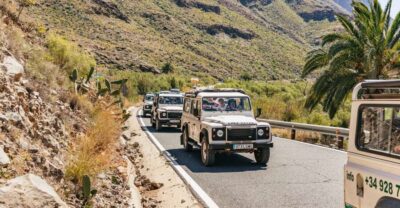 ★ 4.5South Gran Canaria: Off-Road Valleys & Villages Jeep TourFrom $741,200 reviews
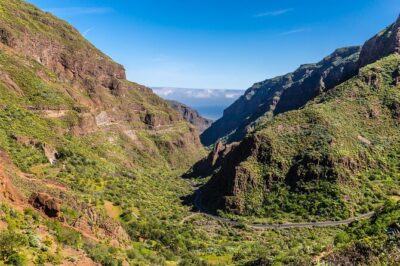 ★ 4.5Firgas, Tejeda, Guayadeque – VIP Tour Gran CanariaFrom $59173 reviews
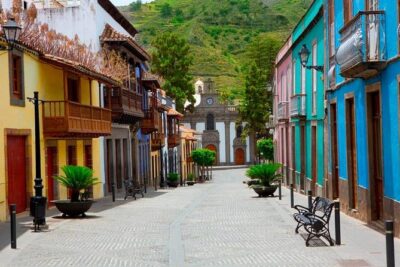 ★ 4.5Arucas, Teror, Viewpoint Roque Nublo – Highlights Gran CanariaFrom $53170 reviews
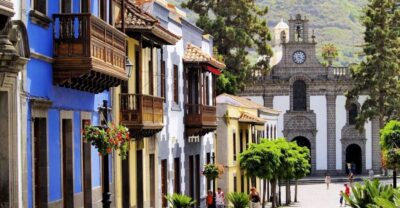 ★ 4.16-Hour Teror and San Mateo Markets TourFrom $39130 reviews
 ★ 5.0Maspalomas: Ryker Moto Tour to Fataga (Mountain buggy)From $8888 reviews
 ★ 4.5Teror and San Mateo Sunday MarketFrom $3951 reviews
 ★ 4.0Full-Day Gran Canaria Tour with Teror, Tejeda and Lunch in FatagaFrom $9850 reviews
 ★ 4.9Tejeda: Sunset & Night Sky Guided Astronomy Hiking TourFrom $7137 reviews
Browse the lists this tour appears in