
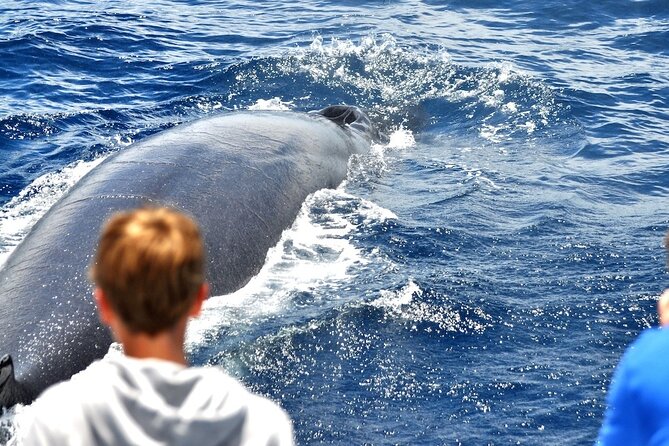
Reviewed · DOLPHIN & WHALE SAFARI BOATS
Spirit of the Sea: Cetacean sighting in Gran Canaria
A glass-bottom catamaran ride can be pure whale-and-dolphin luck. Spirit of the Sea pairs a purpose-built boat with onboard explanations and free soft drinks and water, so you’re not just drifting—you’re learning while you look. The big drawback to keep in mind: sightings depend on weather and animals moving through the area, so you could leave without dolphins or whales if conditions are wrong.
If you’re hoping for a responsible-feeling outing, this company’s style is built around respect: you’re meant to observe naturally, with the crew trying to keep distance and reduce disturbance. And yes, the chance for disappointment is real, but they back it up with a free bonus day if you don’t spot cetaceans on your trip.
In This Review
- Key things that shape the experience
- Meeting at Calle Puerto Base: getting on board the right way
- What 2 hours 30 minutes feels like out at sea
- The search for dolphins and whales: how the crew works the water
- When the trip is quiet
- Glass-bottom windows: why this feature can make or break the wow-factor
- Animal respect and distance: what good practice looks like on the water
- Other marine life: turtles, flying fish, and bonus surprises
- Price and value: is $48.27 actually a smart spend?
- Comfort tips that matter (especially if you get motion sick)
- Language, group size, and what that means for your experience
- Should you book Spirit of the Sea in Gran Canaria?
- FAQ
- How long is the Spirit of the Sea cetacean spotting tour?
- Where does the tour start and end?
- What is included in the ticket price?
- Is pick-up service included?
- Will you definitely see dolphins or whales?
- What language is the tour offered in?
- Is there a maximum group size?
- What if bad weather affects the trip?
- Is cancellation free?
Key things that shape the experience
Glass-bottom viewing: Underwater windows let you watch for dolphins and whales swimming close to the boat.
2.5 hours on the water: Long enough to search, short enough to stay comfortable and focused.
Respect-first approach: Crews aim not to chase or crowd groups of dolphins.
A learning brochure onboard: You get a small booklet with photos and explanations about whales and dolphins.
Good-weather dependent: If the ocean isn’t cooperating, your departure may change for safety.
Small group cap: Up to 75 people, which helps keep the trip from feeling chaotic.
Meeting at Calle Puerto Base: getting on board the right way
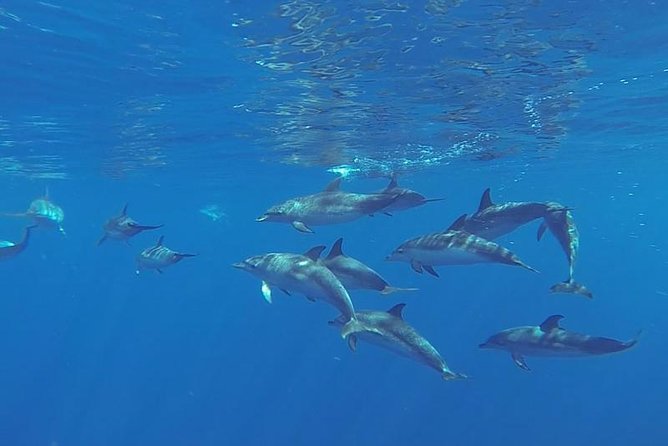
The action starts at Calle Puerto Base, C. Puerto Base, 35130 Puerto Rico, Las Palmas, Spain. This matters because you’re not dealing with a long transfer. You meet up locally, board directly, and the trip flows from there.
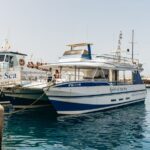
From there, you’re on a catamaran designed for cetacean spotting. That design choice shows up immediately in the experience: it’s built for visibility and safety, not speed tourism. If you like the idea of looking for wildlife while staying comfortable, this boat format is a good match.
One more practical note: the tour is mobile-ticket friendly and runs in English, so it’s straightforward even if you’re traveling with limited planning time. And because it ends back at the same meeting point, you don’t have to map the return.
The pod keeps moving. More sailings out to find it
What 2 hours 30 minutes feels like out at sea
This trip runs about 2 hours 30 minutes (approx.). That timing is one of the best parts of the schedule. It gives the crew time to search, reposition, and keep scanning without turning the outing into an all-day ordeal.
Expect the day to follow a simple rhythm:
- Board and get your small brochure with whale and dolphin info (illustrated with photos taken from the ship).
- Sail out looking for cetaceans and other marine life.
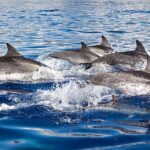
- Watch for animal activity near the surface, like dolphins jumping or whales surfacing.
- Continue monitoring for other sightings such as turtles and flying fish.
The most important thing to understand is that cetaceans are not guaranteed. You’re going out because the conditions can align with their movement patterns. When they do, it can turn into one of those moments where you stop thinking about your phone and start thinking about scale and soundlessness.
Also, bring a realistic expectation about the underwater viewing. Some boats keep the lower glass areas open during good conditions, but if seas are rough or safety rules require it, that view can change during the ride. If underwater windows are a top reason you booked, it’s worth being flexible.
The search for dolphins and whales: how the crew works the water
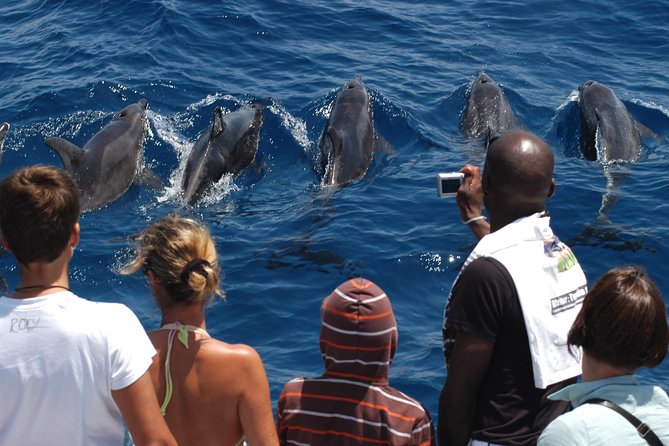
The crew’s whole job is to find where animals are. This is where the operation’s track record becomes part of your decision.
They describe themselves as having enough knowledge built over years on the island to make spotting more likely. That doesn’t mean a guarantee, but it helps explain why so many trips go from scouting to real sightings instead of just cruising around aimlessly.
When cetaceans show up, the experience shifts fast. You’re no longer waiting for the wildlife—you’re learning how to watch it:
- Look for patterns in movement before the next surface event.
- Stay patient when the first sighting disappears; the crew keeps searching.
- Keep an eye out for secondary signs like flying fish above the waterline.
Feedback also highlights a key service behavior: on at least some departures, the crew has been willing to stay out longer to continue searching once conditions look promising. That extra time can be the difference between seeing just a flash and seeing a real, extended encounter.
When the trip is quiet
If you end up not spotting whales or dolphins, the company offers a bonus that lets you come back for free on another day. This is a big deal for value because it turns a risky nature activity into a more forgiving plan. Still, it’s a reminder to choose dates you can flex if possible, especially when the forecast is unstable.
Glass-bottom windows: why this feature can make or break the wow-factor
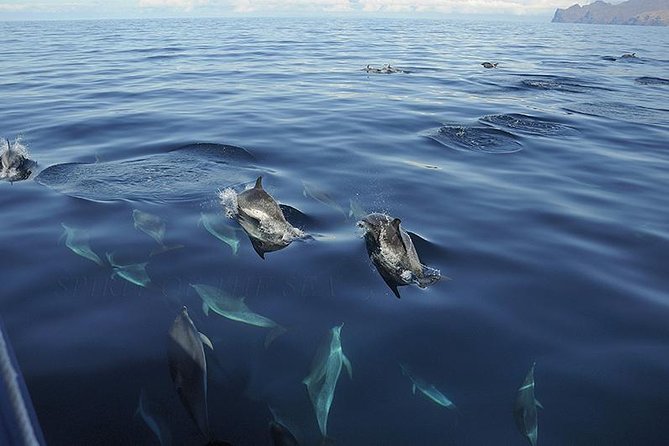
The catamaran includes glass bottoms so you can see dolphins and whales underwater when they swim near the boat. This is exactly the kind of feature that can upgrade a standard sighting into something memorable, because you’re not just watching from the surface.
In practical terms, it means:
- You might spot quick underwater passes that you’d miss from a normal deck.
- You can sometimes watch movement before the animal surfaces.
- The viewing feels more like observation than guessing.
That said, glass-bottom viewing is only useful when it’s open and safe to use. One piece of negative feedback mentioned that the lower underwater window area was closed for the entire trip. If that happened to you, your experience could lean more toward surface sightings only.
So how should you plan? If your top goal is underwater visibility, try to factor in day-of conditions. If you’re sensitive to motion, that also plays into it, because a bumpy sea can reduce comfort and your ability to focus on the glass view.


Animal respect and distance: what good practice looks like on the water
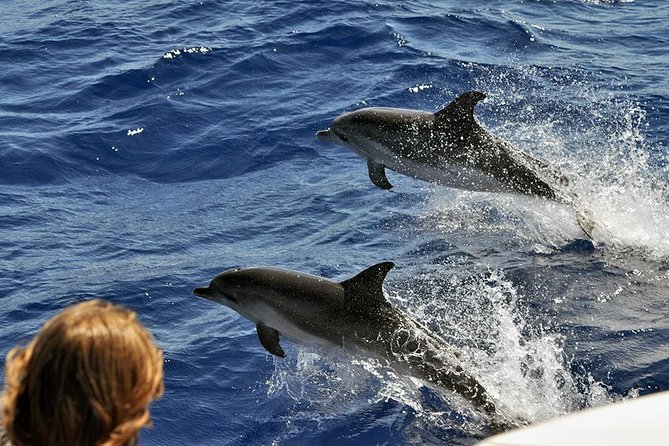
The best wildlife trips feel calm. The animals set the pace, not the boat.
On this excursion, the tone is meant to be respectful:
- Dolphins are not supposed to be chased.
- The crew aims to avoid getting too close.
- The plan is to watch them and then move on to reduce disturbance when appropriate.
That’s not just feel-good messaging. It’s directly tied to what you experience. When a crew keeps distance and doesn’t crowd a pod, the animals have room to behave naturally. In the best cases, that means extended viewing rather than brief, stressful appearances.
There are also standout stories in the feedback that point to a wider respect ethic. One account described the crew rescuing two young birds after they got stuck due to an oil spill, then taking them to a rescue center for rehab and eventual release. Whether you see that kind of incident or not, it signals the company’s attention to wildlife beyond the moment of spotting.
Other marine life: turtles, flying fish, and bonus surprises
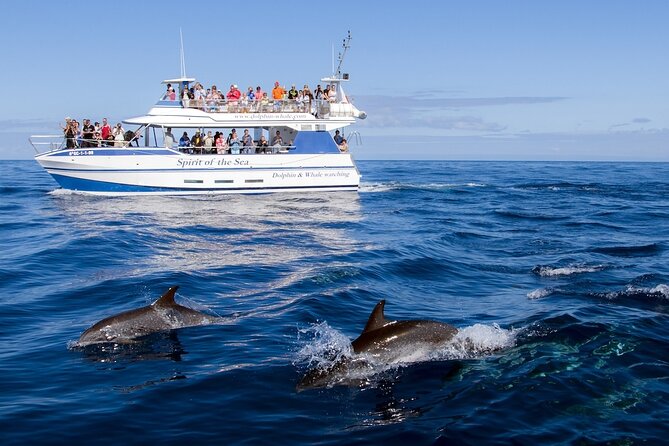
You should treat other animals as bonuses, not the main promise. The tour description includes possibilities like turtles and flying fish, and that matches the variety you’d hope for in these waters.
This is a small but important mindset shift: even if dolphins or whales take longer than expected, the ocean can still deliver smaller moments. Flying fish in particular can be easy to miss if you’re not watching the surface horizon line, so keep your eyes up and scan around the boat—not only directly where the crew points.
If you’re the kind of person who gets excited by any marine sign, not just the big cetaceans, you’ll likely enjoy the ride more.
Price and value: is $48.27 actually a smart spend?
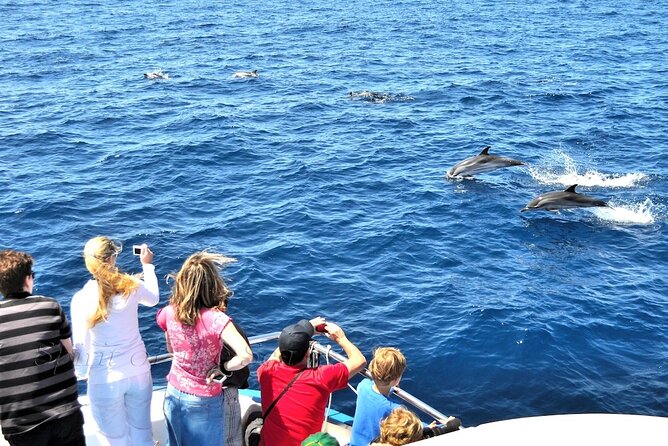
At $48.27 per person for about 2 hours 30 minutes, this is positioned as an accessible way to target whales and dolphins without spending all day. The price is easier to justify when the boat includes comforts and learning.
What you get for your money:
- A purpose-built catamaran with glass-bottom viewing
- A small educational brochure with photos and explanations
- Soft drinks and water included
- A crew that searches actively for animals rather than offering a long, passive cruise
- A free bonus day if you don’t see cetaceans on your trip
That bonus is the strongest value lever. It doesn’t erase the randomness of nature, but it changes the cost of a bad outing from painful to manageable.
Compared with more expensive marine tours elsewhere, this is also relatively compact. If you only have a short window on Gran Canaria, spending half a morning or afternoon rather than a full day can be a practical win.
One caution: if you’re extremely seasick-prone, you’ll want to think about the tradeoff. A cheap ride isn’t a bargain if you can’t enjoy the ocean.
Comfort tips that matter (especially if you get motion sick)
The ride is on open water, and the sea state can vary. One negative feedback specifically called out feeling very shaky. That doesn’t mean you’ll have the same issue, but it does mean you should prepare.
Here’s what I’d do to keep the trip enjoyable:
- If you get motion sick, pack your usual remedy. Don’t wait until you feel sick.
- Try to position yourself where you can watch the horizon rather than only the side view.
- Bring a layer. Wind on open water can change how you feel fast.
Also, if underwater windows are one of your main reasons for booking, keep in mind that conditions can affect what is available during the trip. Comfort and safety come first.
Language, group size, and what that means for your experience
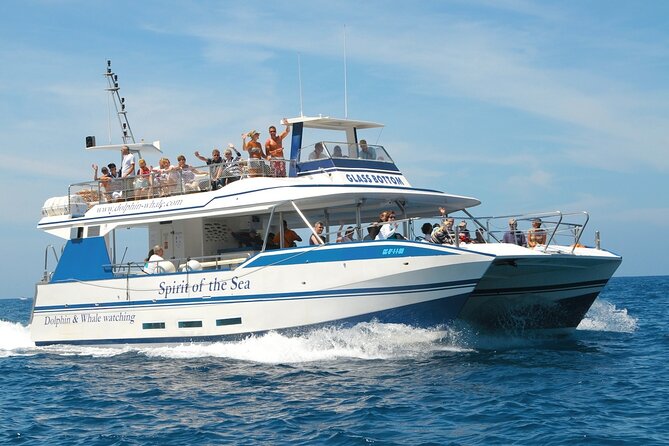
This is offered in English and capped at 75 travelers. That cap matters more than it sounds. With a boat, crowding can turn watching into jostling. A smaller maximum helps the crew manage the search and helps you keep your focus on the water.
The onboard brochure is another small quality signal. It turns the outing into something you can understand, not just something you endure until a dolphin appears.
And because this is a local meeting point experience—no pick-up service—bring your own plan for how you’ll get there. The tour is described as near public transportation, which should help if you’re on a tight schedule.
Should you book Spirit of the Sea in Gran Canaria?
I think this is a strong booking if your goal is a realistic, not-too-expensive shot at cetaceans with a respect-first approach. The glass-bottom design and the onboard learning are real value add-ons, and the free bonus day makes it less risky than many wildlife outings.
I’d skip or reconsider only if:
- You’re very sensitive to motion and haven’t handled that issue before.
- Underwater viewing is a must-have, because some conditions can limit access to the lower viewing area.
- You’re the kind of traveler who needs a fully guaranteed outcome. This is nature. Some days are quiet.
If you want my simple rule: book it when you can be flexible with weather and you’ll actually enjoy scanning the ocean. When dolphins or whales show up, this kind of calm, distance-respecting watching is exactly what you came to Gran Canaria for.
FAQ
How long is the Spirit of the Sea cetacean spotting tour?
The tour lasts about 2 hours 30 minutes (approx.).
Where does the tour start and end?
It starts at Calle Puerto Base, C. Puerto Base, 35130 Puerto Rico, Las Palmas, Spain and ends back at the same meeting point.
What is included in the ticket price?
The tour includes soda/pop water. During the excursion, you’ll also have free soft drinks and water. You’ll receive a small brochure with explanations about dolphins and whales.
Is pick-up service included?
No. Pick-up service is not included.
Will you definitely see dolphins or whales?
No. Sightings depend on conditions, and on rare occasions there may be no whales or dolphins. If that happens, you receive a bonus so you can come for free another day on the boat.
What language is the tour offered in?
The tour is offered in English.
Is there a maximum group size?
Yes. The tour/activity has a maximum of 75 travelers.
What if bad weather affects the trip?
The experience requires good weather. If it’s canceled due to poor weather, you’ll be offered a different date or a full refund.
Is cancellation free?
Yes. You can cancel up to 24 hours in advance for a full refund.
More of the Gran Canaria Ledger
- Gran Canaria: Catamaran Dolphin Watch Cruise with Snorkeling★ 4.4 · 4,761 reviews
- Maspalomas: Guided Camel Ride in the Maspalomas Sand Dunes★ 4.4 · 4,526 reviews
- Poema del Mar Skip-the-Line Ticket★ 4.8 · 3,856 reviews
- Puerto de Mogán: Submarine Tour★ 4.4 · 3,792 reviews
Where the Pods Surface
- Gran Canaria: Catamaran Dolphin Watch Cruise with Snorkeling★ 4.4 · 4,761 reviews
- Gran Canaria: Dolphin and Whale Watching Cruise★ 4.2 · 2,537 reviews
- From Puerto Rico de Gran Canaria: Dolphin Watching Cruise★ 4.3 · 2,520 reviews
- Maspalomas: Palmitos Park Ticket with Dolphin and Bird Shows★ 4.8 · 1,507 reviews
Fresh on the Gran Canaria List
- Gran Canaria: Highlights & hidden gems with Sky Rebels
★ 5.0 · 3 reviews - Escape room “The gratest show on earth” at Holidayworld
★ 3.9 · 3 reviews - Wanderungen im grünen Gran Canaria
★ 5.0 · 3 reviews - 2 hours Double Pass Spa Circuit in Hotel Don Gregory
★ 3.5 · 3 reviews - Las Palmas Maspalomas Gran Canaria Salsa Lovers Dance Experience
★ 5.0 · 3 reviews - Traditional Market Day and San Mateo & Teror
★ 3.5 · 3 reviews
Dolphin & Whale Safari Boats, compared.
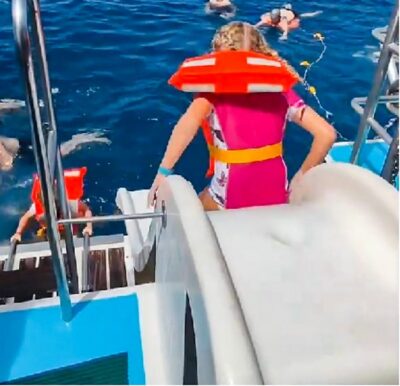 ★ 4.4Catamaran Dolphin Watch Cruise with SnorkelingFrom $444,761 reviews
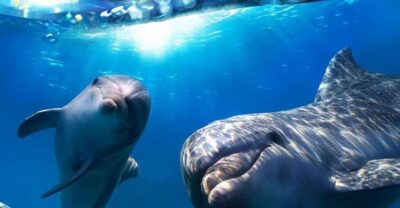 ★ 4.2Dolphin and Whale Watching CruiseFrom $412,537 reviews
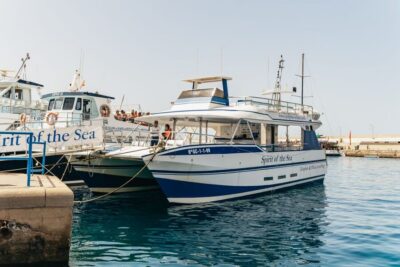 ★ 4.3From Puerto Rico de Gran Canaria: Dolphin Watching CruiseFrom $472,520 reviews
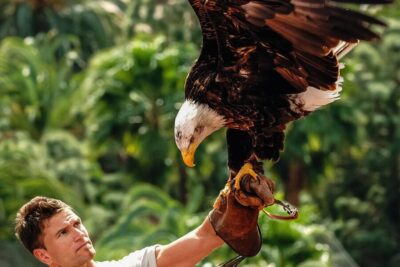 ★ 4.8Maspalomas: Palmitos Park Ticket with Dolphin and Bird ShowsFrom $441,507 reviews
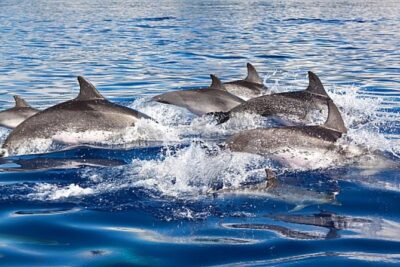 ★ 4.0Dolphin and Whales watching cruise from Puerto Rico de Gran CanariaFrom $50508 reviews
★ 4.2Dolphin and Whale Watching CruiseFrom $42498 reviews
★ 4.0Dolphin and Whales watching cruise from Puerto Rico de Gran CanariaFrom $50508 reviews
★ 4.2Dolphin and Whale Watching CruiseFrom $42498 reviews
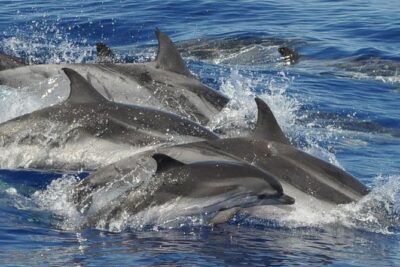 ★ 4.0Dolphin and Whale Cruise in Puerto Rico, Gran CanariaFrom $50477 reviews
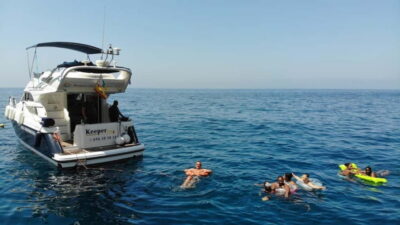 ★ 4.6Mogan: Dolphin Watching Boat Trip with Swim StopFrom $100217 reviews
Browse the lists this tour appears in