
Reviewed · WINE, RUM & BANANA TOURS
Taste Gran Canaria’s unique wines
If you like wine with a sense of place, this trip fits. You’ll get Gran Canaria’s microclimates explained in real time, then taste Canarian wines with local bites in an outdoor setting. I love how the scenery and the vineyard story connect back to the soil and weather that shape the grapes; I also like the small group feel, which makes the guide’s answers easy to ask. One thing to consider: this is a weather-driven experience, and the tastings are outdoors.
I did appreciate the route flow too. You start at Mirador Pico de Bandama, then head down to Santa Brigida for the winery experience, and finish with a proper wine-house stop built around tasting and production. With a max group size of 8, it feels more like a day out with a smart host than a rushed shuttle.
You’ll meet in the south at Playa del Inglés (with pickup options if you’re staying nearby in the south). The tour runs about 4.5 hours total, and the schedule is timed so you’re not spending the whole day driving—just enough time to see how the island changes from viewpoint to vines.
In This Review
- Key highlights to look for before you go
- Picking up at Playa del Inglés and keeping the day to 4.5 hours
- Mirador Pico de Bandama: the viewpoint that teaches terroir
- Santa Brígida: where the wine country feels local
- The Wine House Museum: production tour meets outdoor tasting
- What to expect from the outdoor tasting format
- The guide makes it: Mase’s island-and-wine storytelling
- Taste value: what $116.55 buys you in real-world terms
- Practical tips so the day feels easy (not rushed)
- Who should book this wine tour
- Should you book Taste Gran Canaria’s unique wines?
- FAQ
- How long is the Taste Gran Canaria unique wines tour?
- Where does the tour start and end?
- Is pickup available?
- What languages is the guide available in?
- How many people are in the group?
- What’s included with the tasting?
- Does the tour depend on weather?
Key highlights to look for before you go
- Mirador Pico de Bandama as your wine lesson: the viewpoint isn’t just pretty; it links geography to wine-growing conditions.
- Small group (max 8): you can actually talk with the guide and ask questions about Canarian grapes.
- Santa Brigida winery time: you get a real sense of the village setting and how local production works.
- Winery tour plus tasting outdoors: you’ll taste while enjoying views and paired local products.
- Guide energy from Mase: several guests specifically praised Mase’s humor and deep island-and-wine explanations.
Picking up at Playa del Inglés and keeping the day to 4.5 hours
This tour is built for people who want a big flavor payoff without turning the whole day into transit. It starts at 10:00 am at Playa del Inglés, and the full duration is about 4 hours 30 minutes including travel.
That “including travel” detail matters. Gran Canaria has plenty of curves and elevation, so a shorter overall duration usually means fewer long sitting stretches and more time for the actual wine parts. Also, the tour is offered in English, and the guide can work in Spanish too, which is handy if you’re traveling with Spanish-speaking friends.
There’s also a practical detail: pickup is available for stays in the southern part of the island, and the operator notes you can ask when booking. If you’re not keen on figuring out buses and meeting points on your own, this is a straightforward way to go.
Finally, the group size cap—8 travelers—isn’t just a comfort perk. It changes the vibe. You’re more likely to get answers tailored to what you like (dry reds vs. sweeter styles, how Canarian wines differ from what you’re used to, that sort of thing).
More cellars, rum and banana country
Mirador Pico de Bandama: the viewpoint that teaches terroir
The first stop is Mirador Pico de Bandama, and it lasts about 30 minutes. Yes, it’s a viewpoint—so expect the big panorama moments. But what makes it worth your time is the way it frames the wine story.
The guide connects what you’re seeing—elevation, exposure, and the island’s wind-and-sun patterns—to how vineyards handle heat and dryness. Gran Canaria’s vineyards don’t get shaped the same way as wetter European regions. So when you get the geography explanation at the viewpoint, the later tasting makes more sense. You stop thinking wine is magic and start thinking it’s weather and soil doing their job.
If you’re the type who normally skips lookouts because you’d rather get to the food, give this one a fair shot. It’s short. And it sets the stage for why the next stops taste the way they do.
Small drawback: it’s a 30-minute stop. If you love lingering in viewpoints, you’ll want to keep it moving and save long photo sessions for later.
Santa Brígida: where the wine country feels local
Next you head to Santa Brigida, where the tour’s 2-hour stretch focuses on the winery/state area. Santa Brigida is the kind of place that feels like a real town you could walk around—less theme park, more everyday Gran Canaria.
This stop is important because it shifts the day from “big view explanation” to “how wine is actually made and grown.” You’re no longer just listening to the climate story. You’re standing in the environment where that climate becomes grapes.
The timing here is generous. Two hours gives room for the tour pacing to breathe. It also makes it easier for you to ask questions without feeling like someone is watching the clock every ten seconds.
What I liked about this part of the day is the tone: it’s not only tasting. It’s learning the setting—how production fits the island.
The Wine House Museum: production tour meets outdoor tasting
This is where the day turns into pure wine time. The final major stop is the Wine House Museum, also about 2 hours, and this is described as the best part of the trip—where you reach the winery experience.
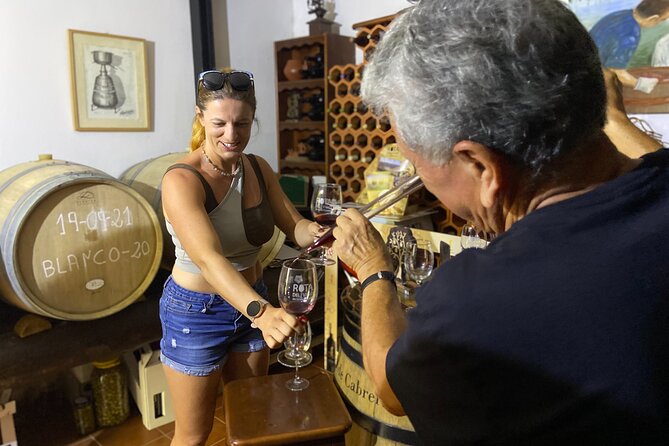
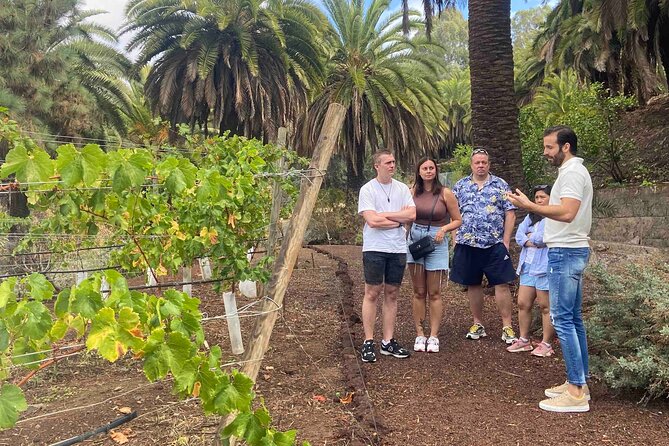
You’re welcomed by the winemaker, and the emphasis is on being shown around the vineyards and the production winery. That matters. A lot of tastings are basically a sales counter with a few facts. Here, the flow is about seeing how things work, then tasting with context.
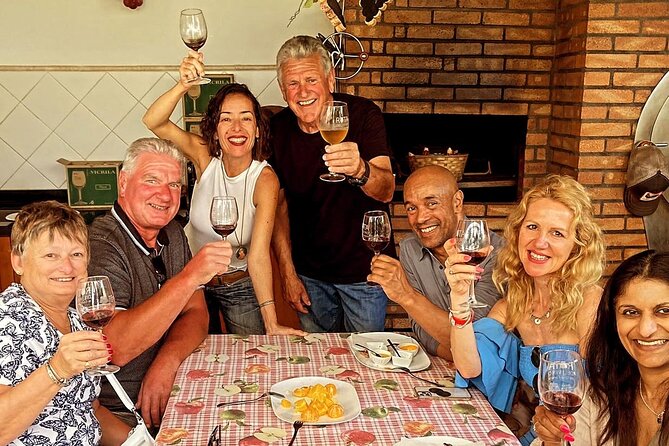
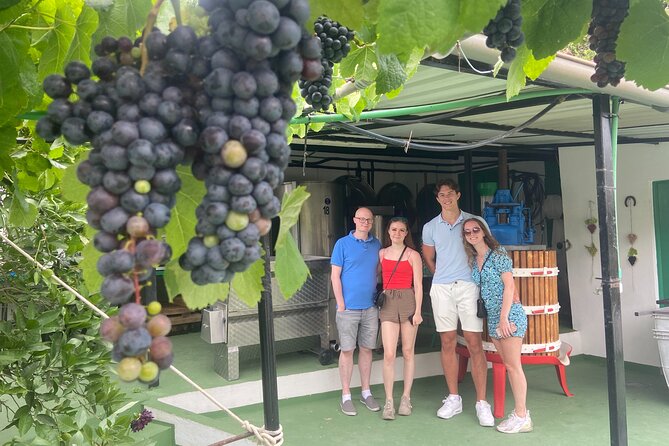
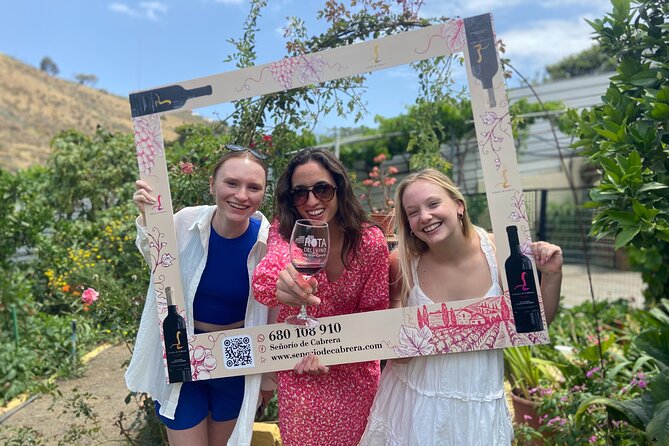
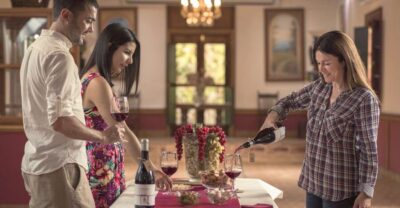
One detail you’ll likely appreciate: the tastings are outdoor and paired with local products. That pairing isn’t random. It’s part of learning how flavors work together—how bread, olives, or small bites help you read the wine. In the experiences people shared, guests described tasting three wines plus a surprise drink, along with snacks and olives. That kind of setup is great for first-timers because you get variety without being overwhelmed.
Also, the island approach shows up in how the vineyards are managed. Guests highlighted that grapes can be grown using both modern and older methods. That’s a key point about Canarian wine culture: the island isn’t only “traditional” or only “modern.” It’s often a blend—history plus practical adaptation to local conditions.
What to expect from the outdoor tasting format
Outdoor tasting can be a plus. You get air, you get views, and the day doesn’t feel like you’re stuck indoors. If you’re sensitive to sun, bring a hat and sunscreen. If it’s windy or cool, you might want a light layer. The tour is also noted as requiring good weather, so plan for that reality.


The guide makes it: Mase’s island-and-wine storytelling
This is one of those tours where the guide doesn’t just hand you a list of facts. Several guests praised the person behind the wheel and the explanations—Mase—for being both funny and deeply informed about climate and wines on Gran Canaria.
That combination is exactly what you want. If someone can explain the why—why vines behave differently here, why certain grapes feel the way they do—your tastings stop being a random tasting flight. They become a story you can repeat later.
If you like asking questions, this small-group format helps. You’re not shouting across a bus. You can talk. You can say, I like this style—what’s going on with it? And you’ll usually get a straight answer that connects back to the island.
Taste value: what $116.55 buys you in real-world terms
At $116.55 per person, this isn’t a budget “try a glass and go” experience. It’s a mid-range day with several things included that usually add up on their own:
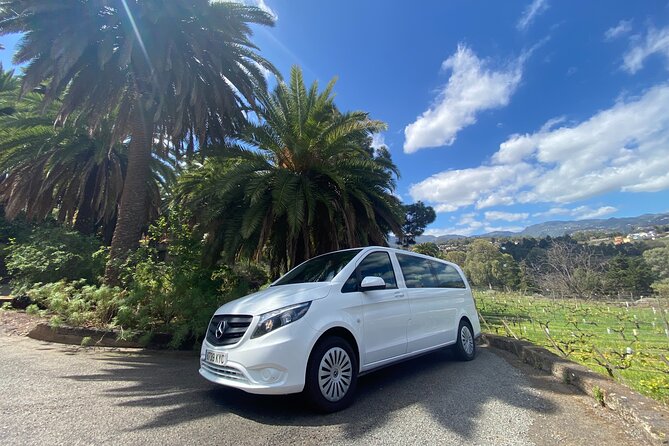
- Private transportation
- Winery entrance and tastings
- All fees and taxes
- Guide with English/Spanish support
Also, admission is included for the Mirador Pico de Bandama stop. That helps justify the price because you’re not paying separately for viewpoint access and then hoping someone makes enough time for wine.
Two hours at the winery/production area is the other big value point. Lots of wine tours squeeze tastings into 45 minutes and call it a day. Here, you’re given time to understand the vineyard environment, see production, then taste paired with local foods. That’s the difference between “I drank wine” and “I learned something.”
If you care about quality (and not just quantity), this price can feel fair—especially because the day includes transportation, guides, entrances, and food pairing inside the wine portion.
Practical tips so the day feels easy (not rushed)
A few small things can make this tour go smoothly:
- Wear comfortable shoes. Even if the stops are short, you’ll likely walk around viewpoint and winery areas.
- Plan for sun. The tastings are described as outdoor, and Mirador spots can be bright.
- Go curious, not picky. If you show interest in learning how Canarian wines differ, you’ll get more from the tastings.
- Ask about the growing methods. Since you may see both modern and older approaches, it’s worth prompting the guide to explain why that matters.
- Don’t overbook the rest of your day. The tour ends back at the meeting point, but you’ll still enjoy it more if you leave time afterward for a relaxed meal.
And one more reality check: the tour is noted as requiring good weather. If conditions aren’t right, you’ll be offered a different date or a full refund. So don’t schedule something tight right at the edge of the tour window.
Who should book this wine tour
This is a strong fit if you:
- want a small-group wine day with real conversation
- like tasting that’s paired with local food and explained in context
- enjoy views and want them to connect to the wine story
- appreciate tours where the winemaker is part of the experience
It may feel less ideal if you’re looking for a long, slow winery lunch day with no driving. The total time is about 4.5 hours, so you’ll be back in town while the trip still feels “active,” not all-day relaxed.
Should you book Taste Gran Canaria’s unique wines?
Yes, I think you should book it if you want a compact, high-satisfaction wine tour with an actual island explanation baked in. The combination of Pico de Bandama (short but useful), time in Santa Brigida, and the Wine House Museum winery visit with outdoor tastings makes this feel like a full story instead of a single tasting room stop.
Book it especially if you like the idea of a guide who can talk climate, soils, and production in a way you can understand on the spot—people highlighted Mase for exactly that mix of humor and depth.
If you hate outdoor tastings or your plans are weather-dependent, keep flexibility in mind. Otherwise, this is a smart way to spend a morning and come away with both memories and a better grasp of how Canarian wine works.
FAQ
How long is the Taste Gran Canaria unique wines tour?
The tour is about 4 hours 30 minutes total, including travel time.
Where does the tour start and end?
It starts at Playa del Inglés, 35100 Maspalomas, Las Palmas, Spain and ends back at the same meeting point.
Is pickup available?
Yes. Pickup is offered for people staying in the southern part of Gran Canaria, and you can ask when booking.
What languages is the guide available in?
The guide is listed as English and Spanish (in-person).
How many people are in the group?
This experience has a maximum of 8 travelers.
What’s included with the tasting?
Winery entrance and tastings are included, and the tasting is described as being outdoor and paired with local products.
Does the tour depend on weather?
Yes. The experience requires good weather. If it’s canceled due to poor weather, you’ll be offered a different date or a full refund.
More of the Gran Canaria Ledger
- Gran Canaria: Catamaran Dolphin Watch Cruise with Snorkeling★ 4.4 · 4,761 reviews
- Maspalomas: Guided Camel Ride in the Maspalomas Sand Dunes★ 4.4 · 4,526 reviews
- Poema del Mar Skip-the-Line Ticket★ 4.8 · 3,856 reviews
- Puerto de Mogán: Submarine Tour★ 4.4 · 3,792 reviews
Cellars, Rum and Banana Country
- Guided tour of the Banana World★ 5.0 · 3,431 reviews
- Gran Canaria: Banana World Guided Tour & Tasting★ 4.8 · 2,867 reviews
- Gran Canaria: Rum, Wines and Banana Tour★ 4.6 · 261 reviews
- Guided Tour at Ron Arehucas Distillery★ 4.5 · 192 reviews
Fresh on the Gran Canaria List
- Gran Canaria: Highlights & hidden gems with Sky Rebels
★ 5.0 · 3 reviews - Escape room “The gratest show on earth” at Holidayworld
★ 3.9 · 3 reviews - Wanderungen im grünen Gran Canaria
★ 5.0 · 3 reviews - 2 hours Double Pass Spa Circuit in Hotel Don Gregory
★ 3.5 · 3 reviews - Las Palmas Maspalomas Gran Canaria Salsa Lovers Dance Experience
★ 5.0 · 3 reviews - Traditional Market Day and San Mateo & Teror
★ 3.5 · 3 reviews
Wine, Rum & Banana Tours, compared.
 ★ 5.0Guided tour of the Banana WorldFrom $183,431 reviews
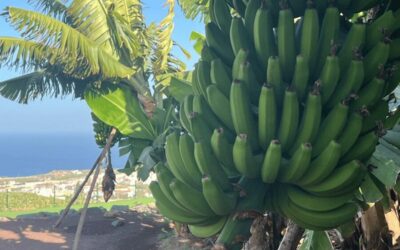
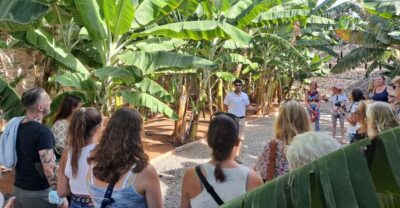 ★ 4.8Banana World Guided Tour & TastingFrom $172,867 reviews
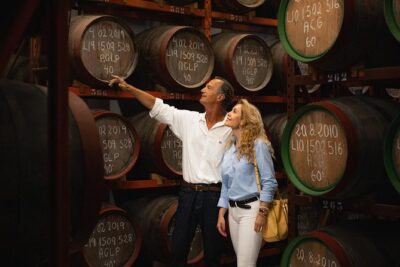
 ★ 4.6Rum, Wines and Banana TourFrom $81261 reviews
 ★ 4.5Guided Tour at Ron Arehucas DistilleryFrom $13192 reviews
★ 4.8Guided Tour at Ron Arehucas DistilleryFrom $12179 reviews
★ 4.5Guided Tour at Ron Arehucas DistilleryFrom $13192 reviews
★ 4.8Guided Tour at Ron Arehucas DistilleryFrom $12179 reviews
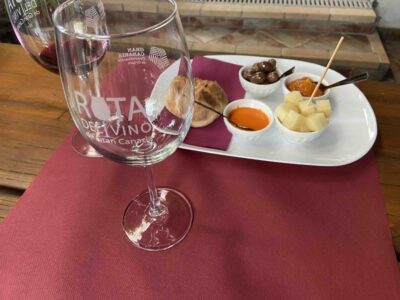 ★ 4.9Best Wineries and Views TourFrom $114173 reviews
 ★ 4.7Winery Tour, Wine Museum, and TastingFrom $34131 reviews
 ★ 5.0Canarian Wine Experience at Bodega los LiriosFrom $1967 reviews
Browse the lists this tour appears in