
Reviewed · WINE, RUM & BANANA TOURS
Winery Tour, Wine Museum, and Tasting in Gran Canaria
One of the best ways to slow down in Gran Canaria is with wine. This small, family-run style tour pairs a guided walk through organic vineyards with a stop in a wine museum and ends with an unhurried tasting of two local wines plus local cheese and toasted bread. It’s the kind of afternoon activity that feels like a real island pause, not a checklist.
I especially like the human details: you get the family story, old photos, and vintage tools that explain how the place works. And I also like the practical tasting format—two wines, paired with food, so you leave understanding what you drank without turning it into a homework assignment. One thing to consider: getting there may take some planning from Las Palmas, since it’s in the countryside and timing can feel tight if you’re juggling bus schedules.
In This Review
- Key things I’d circle on your planning list
- A family winery stop in Gran Canaria’s countryside
- What happens on the vineyard walk and why it matters
- Inside the wine museum: tools, photos, and the real process
- The tasting: two wines, cheese, and toasted bread
- Stop-by-stop timing: how the 90 minutes usually feels
- Price and value: what $34.75 buys you
- Getting there from Las Palmas: small planning beats last-minute stress
- Who this tour is best for
- English experience and the guide style that makes it click
- Things to know before you go
- Should you book this winery, museum, and tasting?
- FAQ
- FAQ
- How long is the winery tour?
- How much does it cost?
- Is the tour offered in English?
- Where does the tour start?
- Where does the tour end?
- What’s included in the tasting?
- Is the tour family-friendly?
- How big are the groups?
- Do I need a printed ticket?
- What’s the cancellation policy?
Key things I’d circle on your planning list
- Two-wine tasting with local pairing: cheese and toasted bread, made for an easy, food-first experience
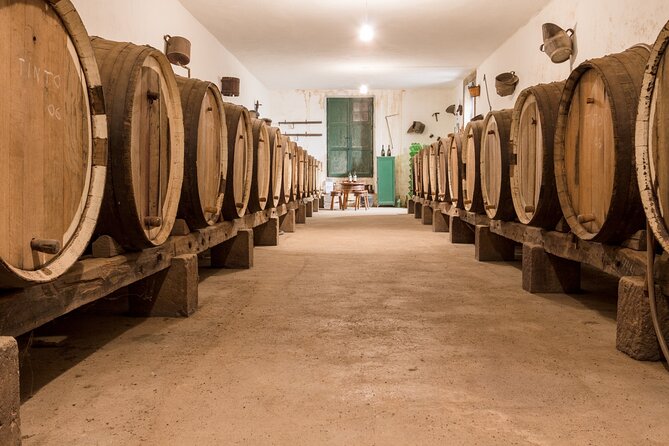
- On-site museum and cellar stops: old winemaking tools plus a centuries-old cellar vibe
- Countryside setting in a family winery: walk among vines and enjoy the volcanic-soil story
- Small group size (max 20): better for questions and a calmer pace
- Family-friendly option: fruit juice available for little ones
- English guided experience: offered in English, with confirmation at booking
A family winery stop in Gran Canaria’s countryside
This tour is built for people who like authentic food and honest local production. You start at a meeting point near Sta Brígida (Ctra. Bandama, 68, 35310), then head into a historic family winery tucked among rolling vineyards. The setting matters here: you’ll get that countryside feeling fast—sun on your face, a breeze in the vines, and a clear sense of where the wine is coming from.
What makes this work well is the pacing. It’s about 90 minutes, which is long enough to feel like a proper visit, but short enough to keep your afternoon flexible. And at up to 20 people, you’re not stuck in a crowd scene.
More cellars, rum and banana country
What happens on the vineyard walk and why it matters
The visit starts with your host and the family story. Expect old family photos and a clear explanation of how generations have shaped the winery’s approach. You also walk through organic vineyards, and the guide connects the dots between what’s in the ground and what ends up in the glass—especially the island’s volcanic soil and the way the outdoor conditions influence the character of Canarian wines.
This is one of those parts where you’ll learn without feeling lectured. The vineyard walk is mostly about noticing: how the property is laid out, how the vines grow, and how the guide ties it back to tradition and day-to-day decisions.
A small practical note: wear something comfortable for walking and bring a layer if the afternoon breeze feels cool. The tour is meant to feel relaxed, so you’ll enjoy it more if you’re not distracted by discomfort.
Inside the wine museum: tools, photos, and the real process
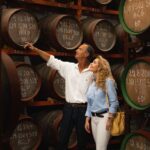
Next up is a small museum that focuses on older winemaking tools and how the craft was passed down. This isn’t a giant museum with endless rooms. Instead, it’s the kind of curated set-up where you can actually connect what you’re seeing—tools, objects, and the story around them—to what the winery is doing now.
You’ll also see how the experience bridges past and present. The tour describes both the charm of older methods and how today’s facilities support modern craftsmanship. In the cellar area, you’ll pick up that classic scent mix of oak and aged wine, and it makes the history feel physical rather than abstract.
If you love food-and-farm stories, this museum stop is a highlight. It gives context so the tasting at the end doesn’t feel random.
The tasting: two wines, cheese, and toasted bread
The finish is the part most people remember: the tasting area. You’ll sample two local wines, paired with Gran Canaria cheese and toasted bread. The pairing is important. It’s not just drinking on its own; it’s tasting with food so you notice texture, balance, and how the wine changes with each bite.
I like this approach because it keeps things grounded. If you’re new to wine, two pours plus simple, local food is a smart way to build confidence. If you already enjoy wine, it’s still satisfying because you get enough contrast across two different bottles to compare what each tastes like in a real setting.
Also, this tour is family-friendly. For kids, fruit juice is available, which means adults aren’t forced into choosing between wine time and keeping everyone happy.
Stop-by-stop timing: how the 90 minutes usually feels
With a visit this short, the order of activities matters for your expectations. Here’s the rhythm you can plan around:
- Arrival and intro with your host at the winery area
- Vineyard walk where you hear the family story and the soil-and-weather angle
- Museum visit with older winemaking tools and historical context
- Cellar time where the guide connects aging and craftsmanship
- Tasting of two wines with cheese and toasted bread
The review feedback you’ll likely appreciate is that the tour tends to be paced for understanding rather than speed. The group size also helps: a max of 20 travelers means you’re more likely to get answers if you ask questions.
Still hungry? More Canarian plates worth the fork
Price and value: what $34.75 buys you
At about $34.75 per person, this is priced like a focused, quality short visit. You’re paying for more than a quick pour: you’re getting a guided tour, museum and cellar access, and a structured tasting with local food.
So the value depends on what you want. If your goal is a big wine-poured-everywhere day with a long meal, you might find this short. But if you want a calm countryside experience, a story that connects to what you drink, and an easy pairing at the end, the price-to-time ratio feels fair.
Booking is also reasonable. The tour is commonly reserved around three weeks in advance on average, so if you’re traveling in a busier period, you’ll want to lock it in early enough to get your preferred date.
Getting there from Las Palmas: small planning beats last-minute stress
The biggest logistical consideration is transport. The winery is in the countryside near Sta Brígida area, and the ride from Las Palmas takes time. Plan for a bit of extra travel buffer so you don’t feel rushed when it’s time to meet.
One practical strategy: if you’re flexible on how you travel, compare your options the day before. You might find a taxi can be an easy alternative if you don’t want to worry about bus timing, but you’ll know what works for your schedule best.
Who this tour is best for
This experience fits best when you want a relaxed, local-feeling afternoon.
You’ll likely love it if you:
- enjoy learning from a real host who tells the family story clearly
- want a short outing that doesn’t steal your whole day
- like local pairing (cheese and bread) rather than fancy multi-course meals
- are traveling with children who need a non-wine option (fruit juice is available)
If you’re the type who wants long tastings, heavy technical wine instruction, or a large museum with lots of exhibits, you might prefer a longer or bigger-format winery day. This one is intentionally small and story-led.
English experience and the guide style that makes it click
The tour is offered in English, and that matters because a winery visit lives and dies by communication. The best part of this style of tour is the way the host balances story with practical context—how the place works, what the tools were for, and how it connects to the wines you taste.
There’s also a clear standout: in English-language experiences, the guide named Maria gets strong notes for being engaging and professional. If you see your guide is Maria when you book, it’s a reassuring sign you’ll get a smooth, friendly flow.
Things to know before you go
A few details help you show up ready and enjoy it more:
- Duration: about 1 hour 30 minutes
- Group size: up to 20
- Tickets: mobile ticket
- Confirmation: you receive confirmation at booking
- Participation: most people can take part
- Ending point: the tour returns to the meeting point
If you’re sensitive to heat, plan for shade breaks during the walk. The experience is relaxed, but vineyard conditions can still feel warm in the afternoon.
Should you book this winery, museum, and tasting?
Yes—if you want a short, local, countryside wine visit that’s built around story plus a real food pairing. It’s especially worth it if you like the idea of walking among vines, seeing old tools in the museum, then tasting two local wines with cheese and toasted bread without rushing.
Hold off or choose something else if you’re looking for a big production, a long meal, or a deep technical wine seminar. This tour is best described as warm, focused, and easy to fit into your Gran Canaria day.
FAQ
FAQ
How long is the winery tour?
It runs about 1 hour 30 minutes.
How much does it cost?
The price listed is $34.75 per person.
Is the tour offered in English?
Yes, the tour is offered in English.
Where does the tour start?
The meeting point is Ctra. Bandama, 68, 35310 Sta Brígida, Las Palmas, Spain.
Where does the tour end?
It ends back at the meeting point.
What’s included in the tasting?
You’ll taste two local wines, paired with cheese and toasted bread.
Is the tour family-friendly?
Yes. Fruit juice is available for little ones.
How big are the groups?
The tour has a maximum of 20 travelers.
Do I need a printed ticket?
No. It uses a mobile ticket.
What’s the cancellation policy?
You can cancel for a full refund if you cancel up to 24 hours in advance. If you cancel later than that, the amount paid is not refunded.
More of the Gran Canaria Ledger
- Gran Canaria: Catamaran Dolphin Watch Cruise with Snorkeling★ 4.4 · 4,761 reviews
- Maspalomas: Guided Camel Ride in the Maspalomas Sand Dunes★ 4.4 · 4,526 reviews
- Poema del Mar Skip-the-Line Ticket★ 4.8 · 3,856 reviews
- Puerto de Mogán: Submarine Tour★ 4.4 · 3,792 reviews
The Canarian Table, Plate by Plate
- Gran Canaria: Banana World Guided Tour & Tasting★ 4.8 · 2,867 reviews
- Gran Canaria: Camel Ride Safari w/ Optional Food & Transport★ 4.2 · 1,167 reviews
- The Volcano Heart Tour: Hiking, Tasting and Sunset Experience★ 5.0 · 1,120 reviews
- Gran Canaria: Fun Catamaran Cruise with Food and Drinks★ 4.6 · 1,019 reviews
Cellars, Rum and Banana Country
- Guided tour of the Banana World★ 5.0 · 3,431 reviews
- Gran Canaria: Banana World Guided Tour & Tasting★ 4.8 · 2,867 reviews
- Gran Canaria: Rum, Wines and Banana Tour★ 4.6 · 261 reviews
- Guided Tour at Ron Arehucas Distillery★ 4.5 · 192 reviews
Fresh on the Gran Canaria List
- Gran Canaria: Highlights & hidden gems with Sky Rebels
★ 5.0 · 3 reviews - Escape room “The gratest show on earth” at Holidayworld
★ 3.9 · 3 reviews - Wanderungen im grünen Gran Canaria
★ 5.0 · 3 reviews - 2 hours Double Pass Spa Circuit in Hotel Don Gregory
★ 3.5 · 3 reviews - Las Palmas Maspalomas Gran Canaria Salsa Lovers Dance Experience
★ 5.0 · 3 reviews - Traditional Market Day and San Mateo & Teror
★ 3.5 · 3 reviews
Wine, Rum & Banana Tours, compared.
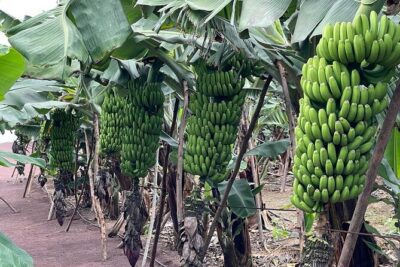 ★ 5.0Guided tour of the Banana WorldFrom $183,431 reviews
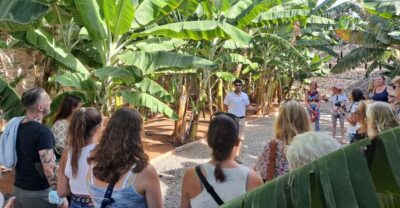 ★ 4.8Banana World Guided Tour & TastingFrom $172,867 reviews
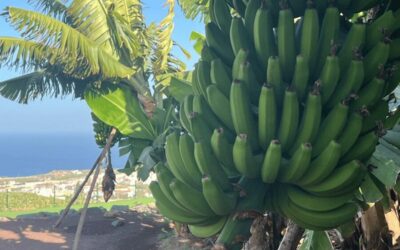 ★ 4.6Rum, Wines and Banana TourFrom $81261 reviews
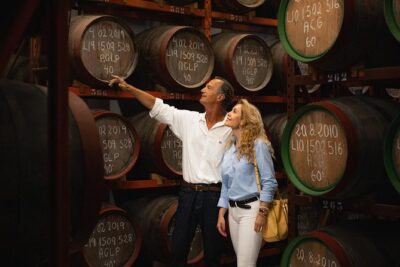 ★ 4.5Guided Tour at Ron Arehucas DistilleryFrom $13192 reviews
★ 4.8Guided Tour at Ron Arehucas DistilleryFrom $12179 reviews
★ 4.5Guided Tour at Ron Arehucas DistilleryFrom $13192 reviews
★ 4.8Guided Tour at Ron Arehucas DistilleryFrom $12179 reviews
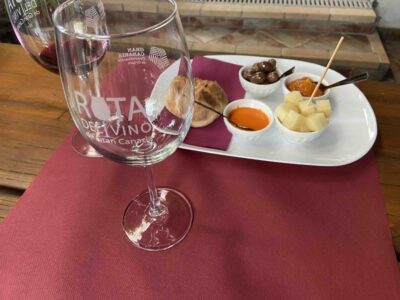 ★ 4.9Best Wineries and Views TourFrom $114173 reviews
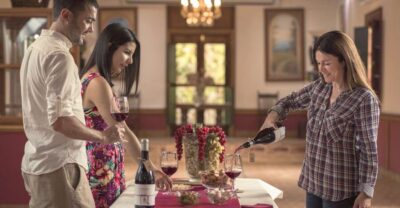 ★ 4.7Winery Tour, Wine Museum, and TastingFrom $34131 reviews
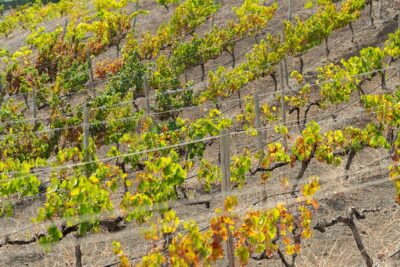 ★ 5.0Canarian Wine Experience at Bodega los LiriosFrom $1967 reviews
Browse the lists this tour appears in