
Reviewed · FULL-ISLAND SIGHTSEEING TOURS
Discover Gran canaria The Cumbre
Cruising the island’s Cumbre by coach feels efficient. You’ll get a south-to-north loop with real stops in towns you’d likely skip on your own, plus big panorama breaks that make the bus rides feel worth it.
I particularly like the mix of views and local flavors, from Arucas and its rum connection to viewpoint stops like Cruz de Tejeda and the Valley of Fataga. I also like that the day is paced for sightseeing—photo chances are built in, not just rushed pull-offs.
One consideration: the rum distillery part can be day-dependent, and on some departures it may be swapped with an aloe vera stop instead, so match your expectations to a flexible program.
In This Review
- Key things that make this Cumbre tour worth your time
- The Cumbre road loop: what 7–8 hours really feels like
- Pickup and where the tour starts (and where it doesn’t)
- The route you’ll ride: towns across fertile valleys to mountain views
- Telde and Arucas: everyday towns with strong identities
- Firgas (only Saturdays)
- Valleseco lunch stop: plan for optional food
- Cruz de Tejeda: the Roque Nublo photo moment
- Ayacata and almond country: the scenery you notice from the bus
- San Bartolomé de Tirajana and Santa Lucía views at the end of the morning/early afternoon
- Rum culture vs. what can change: rum tasting, Arucas, and aloe vera substitutions
- Valley of Fataga panoramic point at about 450 m
- Coach comfort and group size: 99 people maximum
- Price and value: is $53.01 a good deal?
- Who this tour is best for
- Should you book Discover Gran Canaria The Cumbre?
- FAQ
- What time does the tour start?
- How long is the Discover Gran Canaria The Cumbre tour?
- Is pickup included, and where is pickup available?
- Is lunch included in the price?
- Is the ticket digital or paper?
- Is the tour offered in English?
- How many people are on the tour?
Key things that make this Cumbre tour worth your time
- Hotel pickup from the south: easier start, and the end drop-off often lands back where you’re staying in the tourist zone.
- A big island loop in one day: towns across different elevations, not just one coastal strip.
- Photogenic stops with actual viewpoints: Cruz de Tejeda, Fataga Valley, and San Bartolomé’s lookouts are built for photos.
- Arucas and its rum culture: you’ll pass the rum factory area and get rum tasting as part of the experience.
- Guides that keep energy up: named guides in feedback include Simon and Sebastian, praised for staying on top of the day.
- Some day-specific substitutions: a rum distillery visit can shift, and Firgas is only on Saturdays.
The Cumbre road loop: what 7–8 hours really feels like
This is a classic Gran Canaria “see a lot, learn a lot” day. You start at 9:00 am and you’re on the move most of the day, riding a coach through the island’s changing elevations. It’s not a slow village stroll tour. It’s more like: hop off, look around, take photos, hop back on, then repeat.
You’ll notice two things quickly. First, the bus route goes through narrow mountain roads. The driver you get matters, and feedback includes Jose for strong handling on winding lanes. Second, your best moments come at the short viewpoint and town stops—so you’ll get more out of the day if you’re ready to move with the group and keep your camera handy.
The good news: the itinerary is structured so you aren’t trapped with only long drives. There are meaningful stops in towns and at panoramic points, plus time built in for lunch at a set lunch stop (optional, not included).
The whole island in one go, more ways to do it

Pickup and where the tour starts (and where it doesn’t)
The operator offers pickup in most cases, with pickup at your hotel or the nearest place to your accommodation. That matters because Gran Canaria’s south tourist areas are spread out. Door-to-near-door logistics save you the hassle of getting yourself across town before 9:00.
There’s one clear limit: no pickup in Las Palmas. If you’re basing yourself in or near Las Palmas, you’ll need to arrange your own way to the meeting area or consider another tour that covers that zone.
From the experience feedback, the day often ends with a return drop-off to hotels around the south tourist belt (for example, Bahia Feliz was mentioned). Still, I’d plan on the end being wherever pickup was arranged for you.
The route you’ll ride: towns across fertile valleys to mountain views
This tour follows a route that crosses the island from south toward the north. That “from lower to higher” feel is one reason people like this day trip. You see how Gran Canaria shifts—from agricultural valleys with almond trees and mixed crops to the cooler, rockier mountain scenery near the Cumbre.
Telde and Arucas: everyday towns with strong identities
Early on, the drive takes you through Telde, described as the first capital of Gran Canaria. Telde is the kind of town where you can get a quick sense of the island’s roots without needing hours.
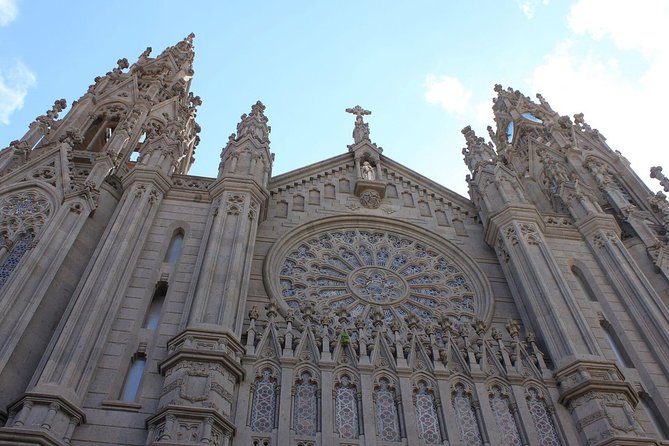
Then comes Arucas, known for a striking neo-Gothic church and for its rum connection. Even if you don’t spend long inside buildings, the pass-by matters: you’re seeing why rum culture is tied to place here, not just a generic tasting experience.
Firgas (only Saturdays)
If your departure day falls on Saturday, you’ll get Firgas. That’s a useful detail. If you’re traveling on a different day, don’t assume Firgas will be on your schedule.



Valleseco lunch stop: plan for optional food
The itinerary includes Valleseco as a lunch stop. Lunch is not included, but you’ll have the chance to eat there (or at least that’s the scheduled option). One value point from feedback: a lunch option costing around €13 for a 3-course meal plus a drink was called out as good value.
If you’re the type who needs your meal to feel “worth it,” show up hungry. If you prefer flexibility, use the stop as a chance to stretch your legs and then decide once you’re there.
Cruz de Tejeda: the Roque Nublo photo moment
One of the biggest “that’s why I booked it” stops is Cruz de Tejeda. From here, you’ll have time to photograph Roque Nublo, often treated as a symbol of Gran Canaria.
This is exactly the kind of viewpoint stop that pays off on a busy day. It gives you a wide, dramatic perspective that makes the earlier bus hours feel like setup, not filler. Bring a light jacket if it’s windy; mountain lookouts can feel cooler even when the coast is warm.
A practical tip: take your pictures quickly at the best angle, then pause and enjoy the view for a minute. It’s tempting to keep moving, especially with a schedule. But a 60-second still moment helps you actually remember the place, not just the photos.
Ayacata and almond country: the scenery you notice from the bus
Between the towns and viewpoint points, you’ll pass areas like Ayacata, called out as a region of almond trees. This is where the tour quietly does something helpful: it teaches you what kind of island you’re on.
Gran Canaria isn’t only beaches and resorts. It’s also farms, groves, and the kind of rolling slopes that look almost painted from the bus window. You won’t get deep walking time here, but you’ll come away with a more accurate mental map of what the island looks like beyond your hotel zone.
If you like landscape photography, this is also when you’ll see good light patterns between elevations. Keep an eye out on both sides of the road: the view changes quickly.
San Bartolomé de Tirajana and Santa Lucía views at the end of the morning/early afternoon
The tour then reaches San Bartolomé de Tirajana, with breathtaking views over the town of Santa Lucía. This kind of stop works well in a group setting because you don’t need to be a hiker to appreciate it.
You’ll likely have a short window to look around and take photos, then you’re back onto the coach. That’s the trade-off of a day like this: you get height and viewpoints without the time commitment of a full hike.
If you’re traveling with someone who gets restless on long drives, this is a strong payoff moment. Views break up the coach time better than another “quick shop stop” would.
Rum culture vs. what can change: rum tasting, Arucas, and aloe vera substitutions
The tour’s highlights point to rum, including local flavor and an Arucas rum connection. The route also passes by the rum factory area in Arucas, which gives context before any tasting.
Here’s the part you should plan carefully: some departures appear to adjust what happens at the distillery level. Several feedback points describe a situation where a rum distillery stop wasn’t included as expected, and an aloe vera plantation visit replaced it.
So how should you approach this as a buyer? Don’t build your whole day around one exact distillery entrance. If rum tasting is the main reason you booked, go in knowing that you’ll still encounter the rum theme through the Arucas connection and tasting, but you might not get the same distillery experience every day.
This is also where reading the day’s details matters. When tours run on fixed schedules but local operations vary, substitutions happen. In this case, aloe vera seems to be the common alternative.
Valley of Fataga panoramic point at about 450 m
Before the return, the day ends with a panoramic point in the Valley of Fataga at around 450 meters. This final viewpoint is a smart closer. It gives you another layer of “island height” right before you head back down.
Fataga is the kind of place where the view tells you more than any explanation could. You’ll be looking across different elevations and seeing how the island’s folds shape where villages grow.
If your camera battery is already halfway dead, this is where to save power. Final viewpoints are usually the best time to get one clean, thoughtful shot instead of burning shots earlier.
Coach comfort and group size: 99 people maximum
This tour caps at a maximum of 99 travelers. That’s not a tiny group, but it’s also not a school-bus mob. You’ll still feel like you’re moving with a group, especially on tight sidewalks or viewpoint areas.
The coach ride itself is a big part of the experience, so it helps if you’re comfortable in a bus for hours. Narrow mountain roads mean you should expect turns and motion. If you get carsick easily, consider it as seriously as you would on any windy mountain driving day.
The upside is that the bus gets you across a lot of island in a single calendar slot. For many people, that’s the whole point of the tour.
Price and value: is $53.01 a good deal?
At $53.01 per person for a 7–8 hour guided excursion, value comes from what’s included and how much ground you cover.
What you get:
- A professional guide
- “Discover Gran Canaria” as part of the included experience
- Pickup offered (with the south-focused limitation)
- A mobile ticket
- An admission ticket noted as free in the day’s details
What costs extra:
- Food and drinks (lunch is optional)
For me, the value hinges on whether you’ll use the day for what it’s best at: collecting island context fast. If you want one trip where you see towns like Telde and Arucas, plus viewpoint highlights like Cruz de Tejeda and Fataga, then the price-to-time ratio is hard to beat.
If your goal is a slow, detailed experience where you spend a lot of time inside each stop, then $53.01 won’t automatically feel like value. A day trip like this gives you breadth, not deep immersion in any one place.
Who this tour is best for
I’d point you toward this tour if you:
- Want a first-time introduction to Gran Canaria beyond the resort strip
- Like road-trip sightseeing with photo-friendly stops
- Prefer hotel pickup over complicated self-transport
- Want rum culture in the day’s mix, even if a distillery visit can shift to an aloe vera stop
I’d hesitate if you:
- Need lots of walking time at each stop
- Have strong motion sensitivity on winding roads
- Are booking strictly for one specific distillery experience and won’t accept substitutions
Should you book Discover Gran Canaria The Cumbre?
If you’re trying to make one day do heavy lifting, I think this is a solid booking. The combination of guided town stops, multiple viewpoints, and south hotel pickup makes it practical. And the sightseeing payoff at Cruz de Tejeda and the Valley of Fataga is exactly the kind of return-on-time that day trips should deliver.
Book with one mindset adjustment: treat rum tastings and distillery access as part of a theme, not a guaranteed single building. If that flexibility bothers you, you might want a different tour focused only on rum. If it doesn’t, then this Cumbre loop is a smart way to see Gran Canaria’s variety in a single long day.
FAQ
What time does the tour start?
The tour start time is 9:00 am.
How long is the Discover Gran Canaria The Cumbre tour?
It runs about 7 to 8 hours.
Is pickup included, and where is pickup available?
Pickup is offered in either your hotel or the nearest place to your accommodation. Pickup is not available in Las Palmas.
Is lunch included in the price?
No. Food and drinks are not included. Lunch is available as an optional stop during the day.
Is the ticket digital or paper?
You’ll receive a mobile ticket.
Is the tour offered in English?
Yes, it’s offered in English.
How many people are on the tour?
The maximum group size is 99 travelers.
More of the Gran Canaria Ledger
- Gran Canaria: Catamaran Dolphin Watch Cruise with Snorkeling★ 4.4 · 4,761 reviews
- Maspalomas: Guided Camel Ride in the Maspalomas Sand Dunes★ 4.4 · 4,526 reviews
- Poema del Mar Skip-the-Line Ticket★ 4.8 · 3,856 reviews
- Puerto de Mogán: Submarine Tour★ 4.4 · 3,792 reviews
All of Gran Canaria in a Day
- Las Palmas: 8-Hour Gran Canaria Island Highlights Tour★ 4.9 · 996 reviews
- Gran Canaria: Rural Villages Guided Sightseeing Tour★ 4.6 · 661 reviews
- From Las Palmas: Highlights of Gran Canaria Day Tour★ 4.6 · 566 reviews
- Full Day Across the Island Tour from Las Palmas★ 5.0 · 505 reviews
Fresh on the Gran Canaria List
- Gran Canaria: Highlights & hidden gems with Sky Rebels
★ 5.0 · 3 reviews - Escape room “The gratest show on earth” at Holidayworld
★ 3.9 · 3 reviews - Wanderungen im grünen Gran Canaria
★ 5.0 · 3 reviews - 2 hours Double Pass Spa Circuit in Hotel Don Gregory
★ 3.5 · 3 reviews - Las Palmas Maspalomas Gran Canaria Salsa Lovers Dance Experience
★ 5.0 · 3 reviews - Traditional Market Day and San Mateo & Teror
★ 3.5 · 3 reviews
Full-Island Sightseeing Tours, compared.
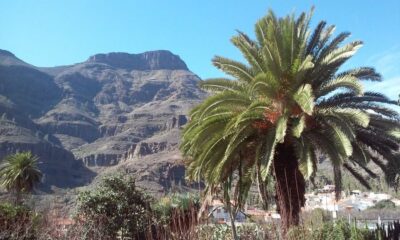 ★ 4.9Las Palmas: 8-Hour Gran Canaria Island Highlights TourFrom $54996 reviews
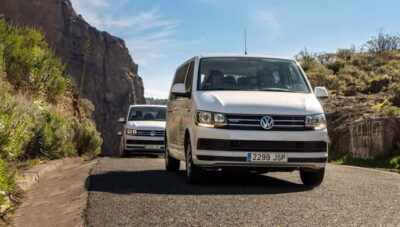 ★ 4.6Rural Villages Guided Sightseeing TourFrom $86661 reviews
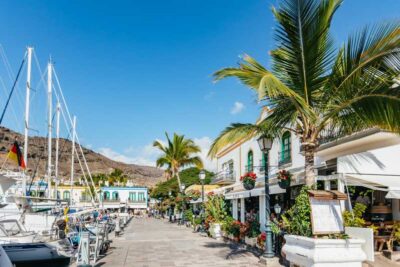 ★ 4.6From Las Palmas: Highlights of Gran Canaria Day TourFrom $57566 reviews
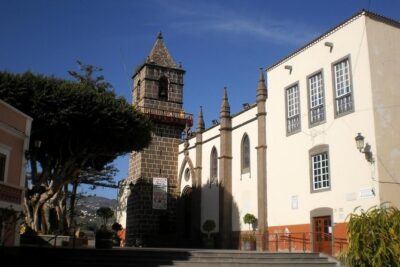 ★ 5.0Full Day Across the Island Tour from Las PalmasFrom $55505 reviews
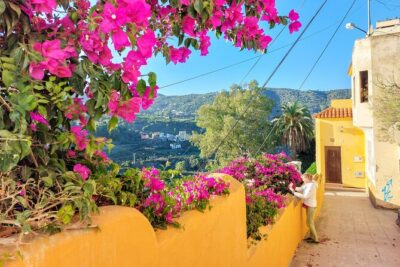 ★ 5.0Gran Canaria 7 Highlights Small Group Tour with Tapas PicnicFrom $115316 reviews
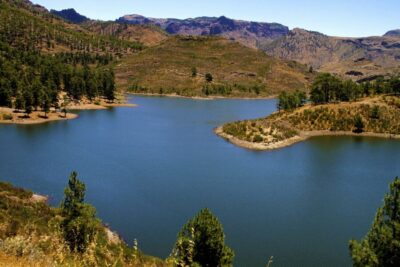 ★ 4.5Gran Canaria Highlights Full-Day Tour by BusFrom $51286 reviews
 ★ 5.0Vw Beetle Convertible Island tour Discover the island on a different wayFrom $91274 reviews
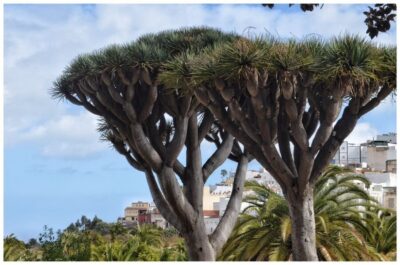 ★ 4.7From Las Palmas: Full-Day Tour of the NorthFrom $54227 reviews
Browse the lists this tour appears in