
Reviewed · SCUBA DIVING COURSES & DIVES
PADI Rescue Diver Course in Gran Canaria
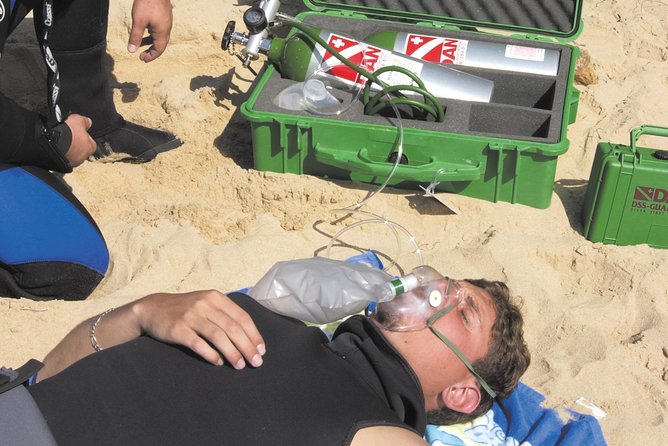
Rescue skills, taught in two calm days. I like this PADI Rescue Diver Course in Gran Canaria because the small group setup (max 6) keeps the instruction focused, and the team of Chris and Kate explains rescue steps in a way that actually sticks. You’ll work on self-rescue and rescue responses in a controlled training format, with the west-coast feel of Amadores close by.
One heads-up: food and drinks aren’t included, so you’ll want to plan your meals around the training days, especially once you’re out near the beach for the scenarios.
In This Review
- Key highlights you can plan around
- The real point of a PADI Rescue Diver Course in Gran Canaria
- Day 1: skills practice in Amadores bay or the onsite pool
- Day 2: two Rescue scenarios at Amadores Beach
- Instructor-led teaching by Chris and Kate (and why it matters)
- Hotel pickup, meeting point, and timing: keep day one simple
- Price and value: what $397.58 includes (and what you supply)
- Safety and health rules you should take seriously
- Who this course is for in Gran Canaria
- Should you book this PADI Rescue Diver Course in Gran Canaria?
- FAQ
- What certification do I need to join?
- How long is the PADI Rescue Diver Course?
- Where do the skills happen on day 1?
- What happens on day 2?
- Is food included in the price?
- Do I get hotel pickup and drop-off?
- What time and where does the activity start?
- Are there health and flying guidelines before the course?
- What’s the cancellation rule?
Key highlights you can plan around
- Two days, one clear goal: self-rescue and rescue skills that match the PADI Rescue Diver standards
- Day 1 waterside basics: skills shown either in the Amadores bay area or in an onsite pool
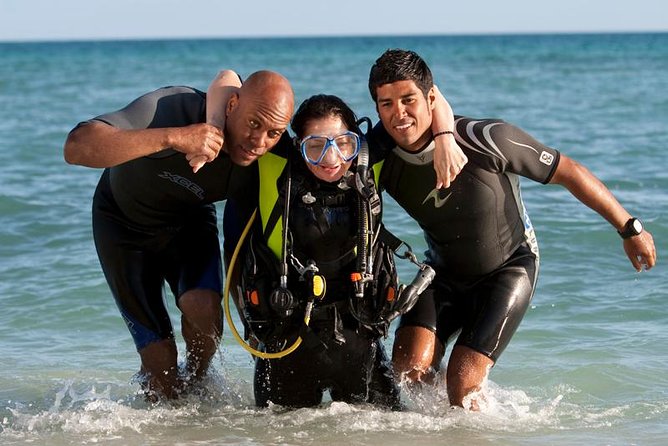
- Day 2 Amadores Beach scenarios: you complete two rescue scenarios
- Surface and underwater focus: practice handling unresponsive/unconscious divers both underwater and on the surface
- Included value: PADI materials, certification fees, insurance, plus a professional guide
- Convenient logistics: hotel pickup/drop-off from selected hotels and return to the meeting point
The real point of a PADI Rescue Diver Course in Gran Canaria
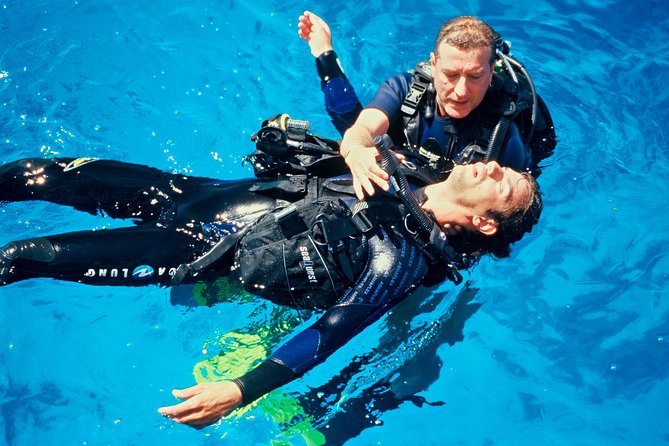
The PADI Rescue Diver Course is not about doing flashy “hero rescues.” It’s about reacting fast, staying calm, and using a clear sequence when something goes wrong—especially when a diver becomes unresponsive. That’s exactly the mindset you need on vacation, where people are excited, water conditions can vary, and everyone’s habits aren’t identical.
In Gran Canaria, the setting helps. You get that west-coast coastline near Amadores, with training that starts in a safer, more controlled way on day 1 and then ramps into the full scenarios on day 2. If you’re already PADI Open Water certified, this course helps you connect the dots between basic underwater comfort and real-world problem solving.
What you’ll like most is the practical nature of the instruction. You’re not only watching skills. You’re practicing rescue techniques and emergency procedures in a way designed to feel repeatable. That matters because rescue skills work best when your body and brain have done them before, not for the first time while stressed.
And yes, you’ll train the tough stuff: dealing with an unresponsive or unconscious diver underwater and on the surface. The course is built around those moments, so you come away with a plan—something you can carry into future scuba trips.
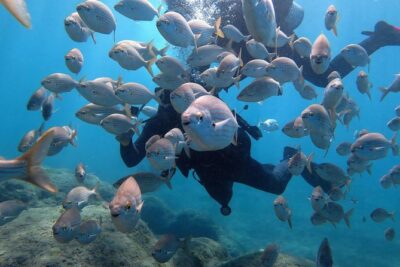
Down to the reef at El Cabron, more dives and courses
Day 1: skills practice in Amadores bay or the onsite pool
Day 1 is where you build the foundation. The course starts with skills being shown either in the local bay of Amadores or in the onsite pool. That flexibility is useful: it helps you get the key rescue elements down without forcing the entire first day into open water conditions.
Here’s what that first day is really doing for you:
- Self-rescue techniques get taught early, so you’re not relying only on someone else to solve problems.
- Rescue preparation begins with the decisions you’ll need during emergencies.
- Unresponsive diver handling is introduced across the course flow, including the idea that the rescue isn’t only underwater.
The day 1 format tends to make the skills feel more approachable. A pool or sheltered-area setup lets you focus on the sequence—how you approach, what you check, and how you move through the emergency steps—before you’re asked to run full rescue scenarios.
If you’re someone who learns best when you can practice and fail safely a few times, this structure is a good fit. You’ll likely feel more confident going into day 2, because you’ve already handled the basic mechanics in a training environment.
Day 2: two Rescue scenarios at Amadores Beach
Day 2 moves to Amadores Beach. This is where the course transitions from isolated skills to timed, scenario-based practice. You’ll complete two rescue scenarios, which is exactly the kind of training that helps you understand how problems connect.
This isn’t just “spot the issue.” The scenarios are built around emergency responses, including how to deal with an unresponsive/unconscious diver both:
- underwater, and
- on the surface
That split matters because rescue isn’t one single action. It’s a chain. You need to move from the underwater moment to the surface response without panicking or skipping steps. Even if you’re physically comfortable in the water, that mental shift is the real learning challenge—and the course gives you structured practice for it.
Amadores Beach is also a nice training choice because it’s part of Gran Canaria’s established west-coast scuba area. You’re not “touring around” all day. You’re concentrating on the course, in a familiar coastal setting where the training purpose stays front and center.
Instructor-led teaching by Chris and Kate (and why it matters)
The quality of instruction can make or break a rescue course. With this one, you’re working with a team that’s known for being clear and approachable. Chris is highlighted as an instructor who teaches the required skills professionally and with a friendly style, and Kate is often the person coordinating the logistics.
That combination matters for rescue training because you need two things at once:
- Clear instruction so you learn the exact steps and what to do first.
- Confidence-building support so you can actually practice those steps without feeling embarrassed or rushed.
Also, there’s a practical advantage to a smaller maximum group size (max 6). In a rescue course, you don’t want to be stuck waiting while others take turns. You want feedback while the skill is still fresh. A smaller group makes that more likely, and it’s one of the reasons I’d choose this format over larger setups.
Hotel pickup, meeting point, and timing: keep day one simple
This course is designed for real travel schedules, not just “show up and hope.” You get:
- Hotel pickup and drop-off from selected hotels
- A start time of 9:00 am
- Return to the meeting point
If you’re using pickup, confirm whether your hotel is in the selected group. If not, you’ll meet at:
Euronet ATMManixa, C. Doreste y Molina, 18, 35130 Puerto Rico, Las Palmas, Spain
The activity is also listed as near public transportation, which is useful if you’re staying somewhere central and want flexibility.
Then there’s the mobile ticket. That’s a small thing, but it helps when you’re juggling a trip schedule and don’t want to rely on paper.
Duration is listed as about 2 days, so expect day 1 and day 2 to take up most of your trip rhythm around those hours. If your vacation is packed with restaurant bookings or a tight nightlife plan, keep day 2 calm. Rescue scenarios can be mentally demanding even when you’re comfortable in the water.


Price and value: what $397.58 includes (and what you supply)
The price is $397.58 per person. For a PADI Rescue Diver Course, the main question is whether you’re paying for instruction only—or whether the essential course costs are bundled.
Here’s what’s included:
- Professional guide
- Hotel pickup and drop-off (selected hotels only)
- Required PADI materials and certification fees
- Insurance
That inclusion is where the value shows up. Certification fees and required materials can add up when purchased separately, and insurance is especially important for training-focused activities.
What’s not included:
- Food and drinks
So think of the price as: instruction + course paperwork + materials + coverage, with your meal planning as the main extra.
If you’re comparing options, I’d also watch the group size. A max of 6 means you’re less likely to feel like a number. Rescue courses are high-touch by nature, so group size affects the overall quality.
Safety and health rules you should take seriously
This course has clear health and safety requirements, and you should treat them as part of the experience—not a hassle.
You’ll need:
- Evidence of certification (you must already have PADI Open Water certification to participate in a certified dive)
- A health questionnaire before diving
- A note that diving within 48 hours of flying is not recommended
The health note also flags that some conditions (like asthma or heart conditions) may prevent diving. The course instructions explicitly tell you to consult your doctor if you have any relevant pre-existing issues.
Also, you’ll need a moderate physical fitness level. Rescue training asks for calm movement, controlled breathing, and stamina through practice. You don’t have to be an athlete, but you should feel comfortable with basic physical activity for the duration of the course.
If you want the course to feel empowering rather than stressful, plan your body for it: sleep, hydration, and a clear schedule for the two days will matter.
Who this course is for in Gran Canaria
This fits best if you meet the prerequisites and want the next step beyond basic comfort underwater.
You should strongly consider it if:
- You’re already PADI Open Water certified
- You want real emergency response practice, not just theory
- You value a structured, scenario-based training day 2
- You like the idea of working with Chris and Kate’s clear teaching approach
You might want to skip it if:
- You’re not comfortable meeting the health questionnaire requirements
- You’re arriving from flying within 48 hours (the course says it’s not recommended)
- You want food included and don’t want to think about meals for two days
Should you book this PADI Rescue Diver Course in Gran Canaria?
If you’re open water certified and you’re serious about becoming the diver who can respond when something goes wrong, I think this is a strong booking. The setup is practical: two days, a clear progression from skills practice (Amadores bay area or onsite pool) to two full rescue scenarios at Amadores Beach, plus instruction from Chris and Kate in a small max group.
The main drawback is simple: food and drinks aren’t included, so plan your meals on your own. If that’s fine with your vacation style, you’ll probably enjoy the value side of this course: PADI materials, certification fees, and insurance are built into the price.
FAQ
What certification do I need to join?
You need evidence of PADI Open Water certification to participate in a certified dive.
How long is the PADI Rescue Diver Course?
The course runs for about 2 days.
Where do the skills happen on day 1?
Day 1 skills are shown either in the local bay of Amadores or in an onsite pool.
What happens on day 2?
On day 2 you go to Amadores Beach and complete two rescue scenarios.
Is food included in the price?
No. Food and drinks are not included.
Do I get hotel pickup and drop-off?
You get hotel pickup and drop-off from selected hotels only.
What time and where does the activity start?
Start time is 9:00 am. The listed meeting point is Euronet ATMManixa, C. Doreste y Molina, 18, 35130 Puerto Rico, Las Palmas, Spain.
Are there health and flying guidelines before the course?
Yes. You must complete a health questionnaire before diving, and diving within 48 hours of flying is not recommended. Some medical conditions may prevent you from diving, so consult your doctor if needed.
What’s the cancellation rule?
Free cancellation is available up to 24 hours in advance for a full refund. If you cancel less than 24 hours before the start time, the amount paid is not refunded.
More of the Gran Canaria Ledger
- Gran Canaria: Catamaran Dolphin Watch Cruise with Snorkeling★ 4.4 · 4,761 reviews
- Maspalomas: Guided Camel Ride in the Maspalomas Sand Dunes★ 4.4 · 4,526 reviews
- Poema del Mar Skip-the-Line Ticket★ 4.8 · 3,856 reviews
- Puerto de Mogán: Submarine Tour★ 4.4 · 3,792 reviews
Down to the El Cabron Reef
- Scuba Diving Experience for Beginners in Gran Canaria★ 5.0 · 561 reviews
- Gran Canaria: Try Scuba Diving for Beginners★ 4.9 · 403 reviews
- Beginners Scuba Diving Experience in Gran Canaria★ 5.0 · 254 reviews
- Gran Canaria: Discover Scuba Diving – Free Transfers★ 4.9 · 115 reviews
Fresh on the Gran Canaria List
- Gran Canaria: Highlights & hidden gems with Sky Rebels
★ 5.0 · 3 reviews - Escape room “The gratest show on earth” at Holidayworld
★ 3.9 · 3 reviews - Wanderungen im grünen Gran Canaria
★ 5.0 · 3 reviews - 2 hours Double Pass Spa Circuit in Hotel Don Gregory
★ 3.5 · 3 reviews - Las Palmas Maspalomas Gran Canaria Salsa Lovers Dance Experience
★ 5.0 · 3 reviews - Traditional Market Day and San Mateo & Teror
★ 3.5 · 3 reviews
Scuba Diving Courses & Dives, compared.
 ★ 5.0Scuba Diving Experience for Beginners in Gran CanariaFrom $107561 reviews
 ★ 4.9Try Scuba Diving for BeginnersFrom $94403 reviews
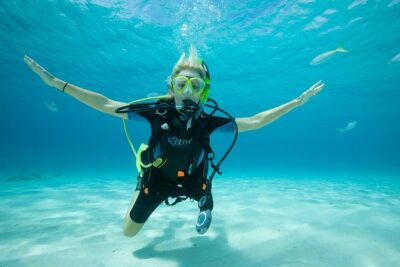 ★ 5.0Beginners Scuba Diving Experience in Gran CanariaFrom $108254 reviews
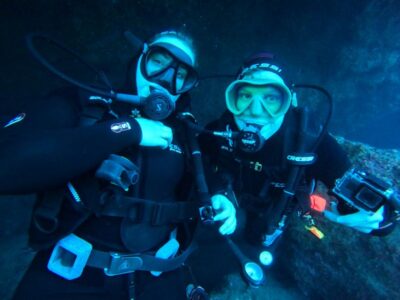 ★ 4.9Discover Scuba Diving – Free TransfersFrom $105115 reviews
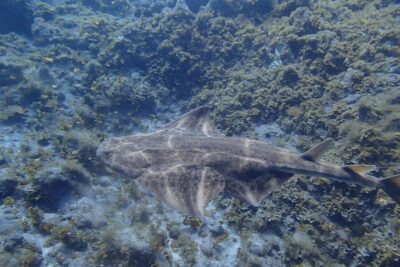 ★ 4.7Live an Adventure and Learn to Dive with ExpertFrom $100109 reviews
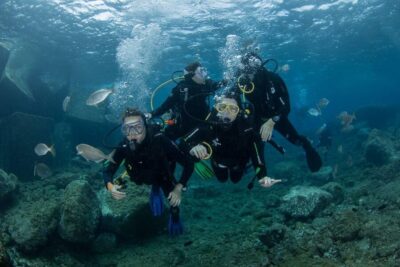 ★ 4.4Discover Scuba Diving Beginner ProgramFrom $117103 reviews
 ★ 4.5Discover Scuba Diving in Puerto de MoganFrom $10387 reviews
 ★ 4.8Las Canteras Scuba DivingFrom $11884 reviews
Browse the lists this tour appears in