
Reviewed · SURF & KITESURF LESSONS
Gran Canaria Maspalomas: Surf lessons all levels
One sentence can beat a whole beach day. This 2.5-hour Maspalomas surf lesson mixes beach basics with real wave time, guided by instructors with 30+ years in the ocean. If you want the kind of activity where you learn fast and still have fun, South Coast Surf School is built for that.
I especially like the personal coaching focus, with instructors such as Daniel giving clear, step-by-step feedback on pop up technique before you go out. You also get a lesson flow that makes sense: quick theory on land, then a long practice block where you can actually test what you learned on the board.
The main drawback to plan around is simple: there’s no hotel pickup or included transport. You’ll need to make your own way to the meeting point by the surf school flags near the beach bar and close to the red cross office.
In This Review
- Key things to know before you go
- First Waves in Maspalomas: What a 2.5-Hour Surf Class Is Like
- Price and Value: Why $59 Can Be a Fair Deal
- Where You Start: Finding SouthCoast Surfschool Flags by the Red Cross
- The Beach Lesson: Learn the Pop Up Without Guessing
- Two Hours in the Sea: How You Actually Catch Waves
- Gear and Safety: Board, Wetsuit, Water, and Insurance
- Coaching Style and Instructor Strength: Why Daniel Gets So Much Love
- Who This Surf Lesson Fits Best (Beginners, Upgraders, and Families)
- Logistics Made Simple: Languages and What You Bring
- Short List of Likely Benefits You Can Count On
- Should You Book South Coast Surf School in Maspalomas?
Key things to know before you go
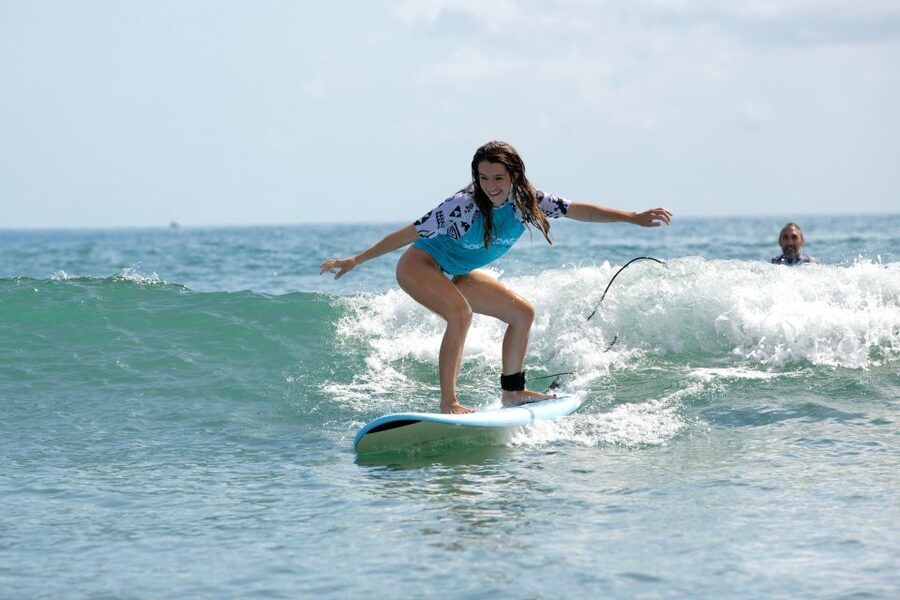
- Small-group feel and individual corrections: instructors spend time on your technique, not just generic tips.
- Beach theory first, then 2 hours in the sea: you learn and practice in the same session.
- A fun-first philosophy: the best surfer is the one having the most fun, which keeps beginners relaxed.
- Multi-level coaching: beginners get basics; more advanced riders can work on technique and goals.
- Real-world gear and safety included: board, wetsuit, and accident and liability insurance are part of the price.
- Meet-up is straightforward: SouthCoast surfschool flags by the beach bar near the red cross office.
First Waves in Maspalomas: What a 2.5-Hour Surf Class Is Like
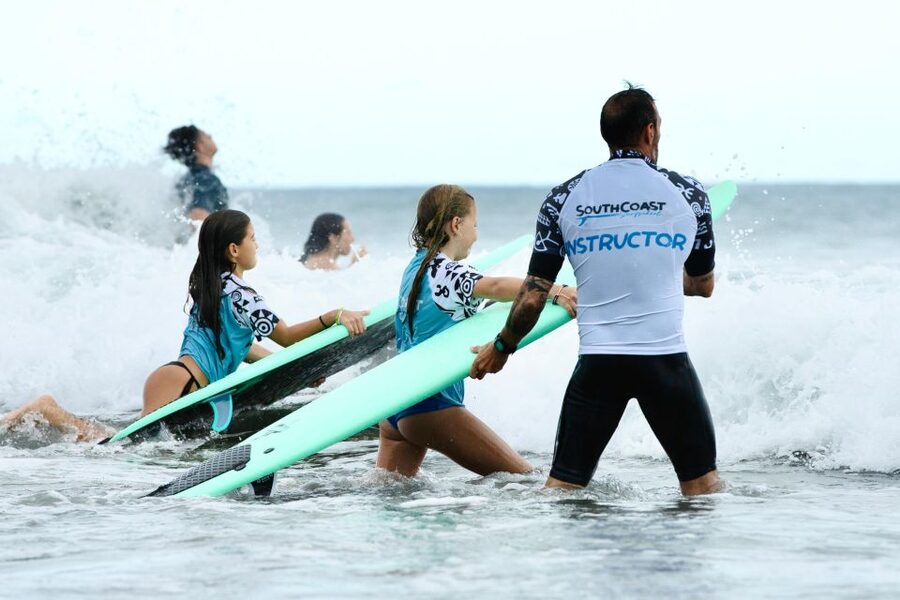
A surf lesson is never just about standing up. Done well, it’s about learning how to read the moment—how to position yourself, how to time the pop up, and how to stay calm when your body is screaming that you’re about to wipe out. This class in Gran Canaria’s Maspalomas area is designed for that, with a structured flow and lots of instruction in both easy-to-follow language and hands-on coaching.
The vibe matters here. The school’s approach is summed up in a simple idea: the best surfer out there is the one having the most fun. That philosophy shows up in how instructors teach—calm, encouraging, and focused on making progress without pushing you beyond your comfort zone.
You get a guided experience for all levels, but it’s especially strong for first-timers. People with a bad sense of balance still get chances to catch seconds on the board quickly because the instruction breaks the skill into parts you can actually practice.
More lessons on the Playa del Ingles and Las Canteras breaks
Price and Value: Why $59 Can Be a Fair Deal
At about $59 per person for a 2.5-hour session, the big question is what you’re paying for besides the waves. The value is in the full package: surfboard, wetsuit, and the basic beach-to-water teaching that turns a random attempt into real learning.
Two other cost/value angles stand out. First, you’re not buying a wetsuit or renting a board separately. Second, you’re covered with accident and liability insurance as part of the session, which gives extra peace of mind for a sport where small mistakes happen fast.
The short duration can feel like a red flag to some people. Don’t worry. This lesson is built so you get a theoretical class on the beach, then a full practice block in the sea. That balance is what makes $59 feel reasonable: you’re not paying for a long explanation that never turns into time on the water.
Where You Start: Finding SouthCoast Surfschool Flags by the Red Cross
Good surf lessons begin before you hit the sand. You’ll want to arrive a few minutes early so you’re not rushed when you’re trying to get your wetsuit sorted and your head in the right place.
Your meeting point is at the SouthCoast surfschool flags, right by the beach bar, directly close to the red cross office. If you’re navigating on foot, treat those landmarks as your anchor points. The more calm you feel at the start, the better your first attempts usually go.
One more practical note: since hotel pickup and transportation aren’t included, you’ll need to plan how you’ll get there. If you’re staying somewhere farther off the main beach area, build in extra time so you don’t arrive late and skip the early instructions.
The Beach Lesson: Learn the Pop Up Without Guessing
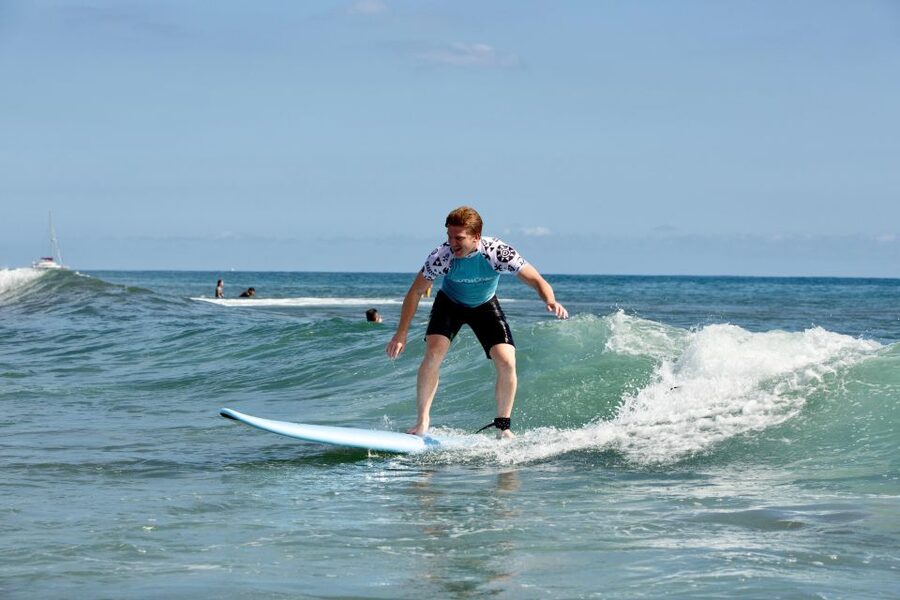
This is where you save yourself. The class starts with a theoretical lesson on the beach that covers basic principles and the core mechanics you need before you paddle out. Instead of giving vague advice, instructors focus on what you should do step-by-step.
A big win is technique work on land. Coaches like Daniel spend time on pop up mechanics—often before you get in the water—so your first attempts aren’t pure chaos. You’ll get clear, simple instructions you can repeat, which is exactly what you want when your muscles don’t yet know what your brain is asking for.
You’ll also see how the instructor sets the tone. The best moments here aren’t just technical. They’re confidence moments: encouragement when you’re nervous, correction when something is off, and a quick reset when a wipeout happens. That support is one reason beginners often leave with a smile instead of a shrug.
Two Hours in the Sea: How You Actually Catch Waves
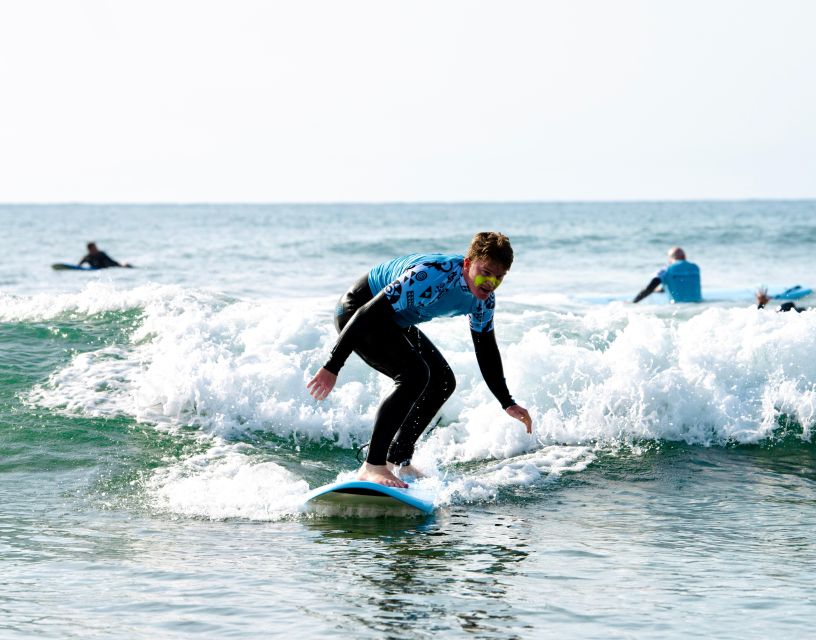
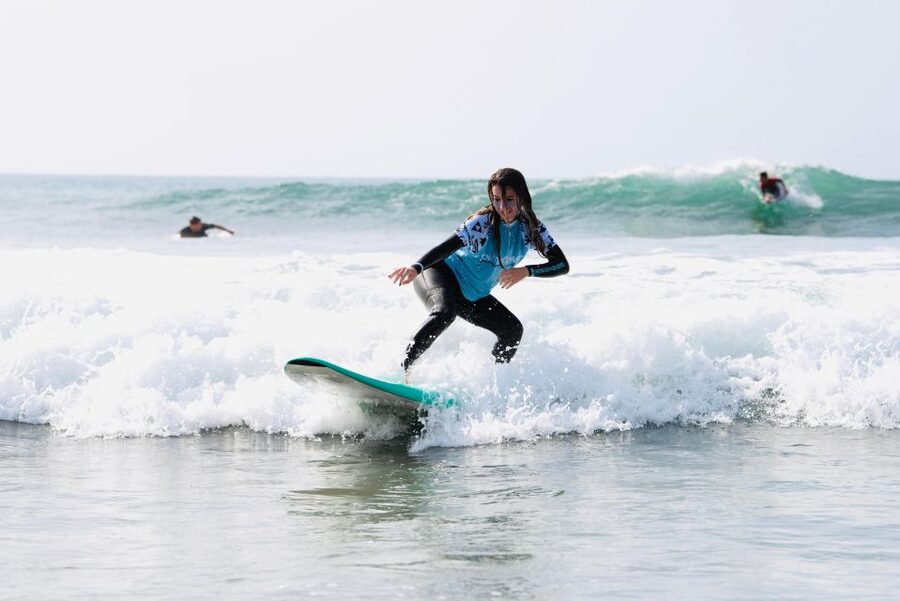
After the beach intro, you switch to the part you came for: practice in the water. The session includes 2 hours of sea time, and that time matters because learning surfing is mostly repetition with feedback.
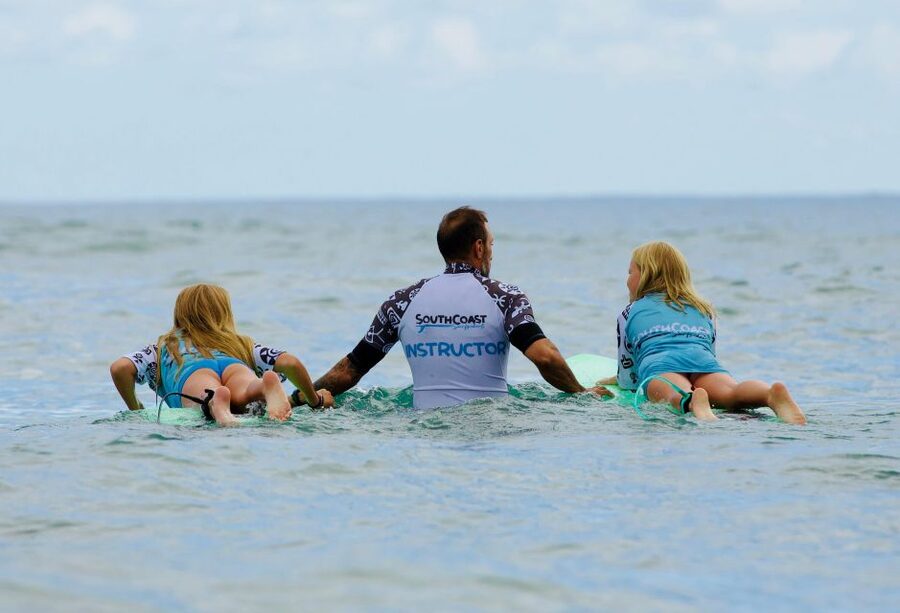
The instruction style is hands-on and safety-minded. You’re not just thrown into the ocean. Coaches guide you through what to do next, then watch what you’re doing so they can correct it. That’s how you go from struggling to getting small wins—like balancing better, feeling the board, or standing for a brief stretch when it clicks.
Another key detail: the school’s goal is to help you find the perfect wave for your level. That doesn’t mean you’ll always catch the biggest or best wave. It means you get paired with conditions that match your skill so you can build technique rather than drown in frustration.
And yes, it’s fun. The whole framework keeps things light, with the emphasis on progress. If you’re traveling with family, couples, or friends, that shared excitement can turn into a highlight even if no one becomes a surfer-pro.
Learn something with your hands here
Gear and Safety: Board, Wetsuit, Water, and Insurance
You get the surfboard and wetsuit included, which removes two common friction points. Wetsuits can be pricey to rent, and boards are not exactly easy to source when you’re on a tight vacation schedule.
You’ll also be provided mineral water and fruit. It sounds minor until you’re standing around between attempts and realize you actually need something to keep your energy up. Surf sessions are physical, even when you’re just learning, and small extras help a lot.
Safety coverage is part of the package too: accident and liability insurance is included. You should still use common sense and follow the instructor’s directions, but having that coverage makes the whole thing feel more grown-up and less like a risky side quest.
Coaching Style and Instructor Strength: Why Daniel Gets So Much Love
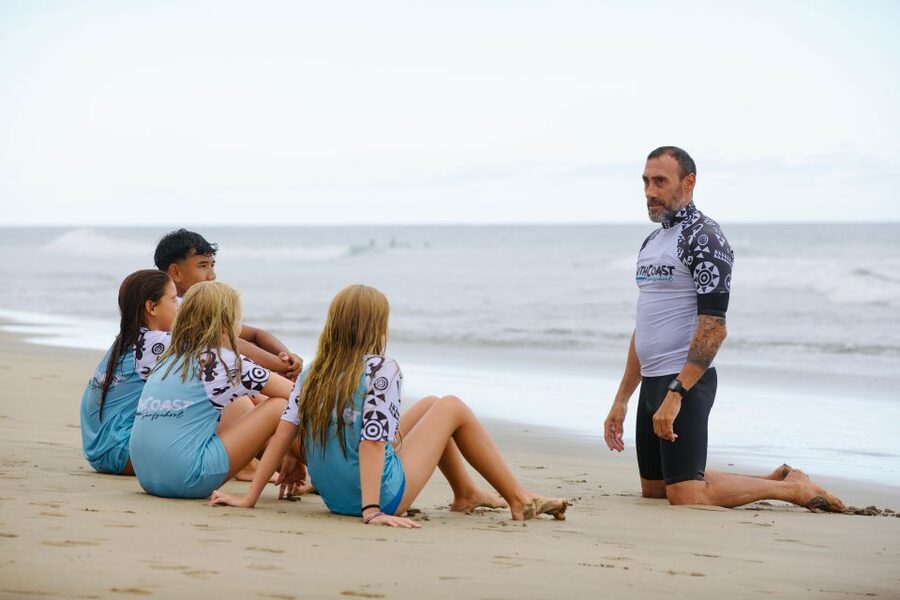
One pattern shows up again and again: instructors teach in a way that makes sense in your body, not just in your head. Coaches such as Daniel are praised for giving clear and simple instructions, then patiently working with you in the water.
The best part is timing. Many instructors can explain something on land, but the true difference is when they correct you as you try it. Here, you get individual advice before you practice—especially on pop up technique—then more guidance once you’re actually on the board.
You’ll also feel the group dynamic. Even when multiple people are learning at once, coaching stays personal. That matters a lot for beginners, because small adjustments (hand position, timing, weight shift) can be the difference between falling immediately and getting a few seconds upright.
Who This Surf Lesson Fits Best (Beginners, Upgraders, and Families)
This class is built for beginners, but it also serves more advanced surfers who want to sharpen technique. The lesson structure supports both. Beginners get fundamentals through the beach theory plus early practice. More experienced riders can focus on improving skills and working toward personal surfing goals.
If you’re going as a couple or a friend group, it’s a good option because everyone can progress even if skill levels differ. The coaching focus on technique and comfort means you’re not expected to be the same surfer as the person next to you.
It also works well for families. The vibe is relaxed enough for younger learners, including groups where a 12-year-old was part of the class. The key is that instructors keep things safe and don’t force anyone past comfort.
Logistics Made Simple: Languages and What You Bring
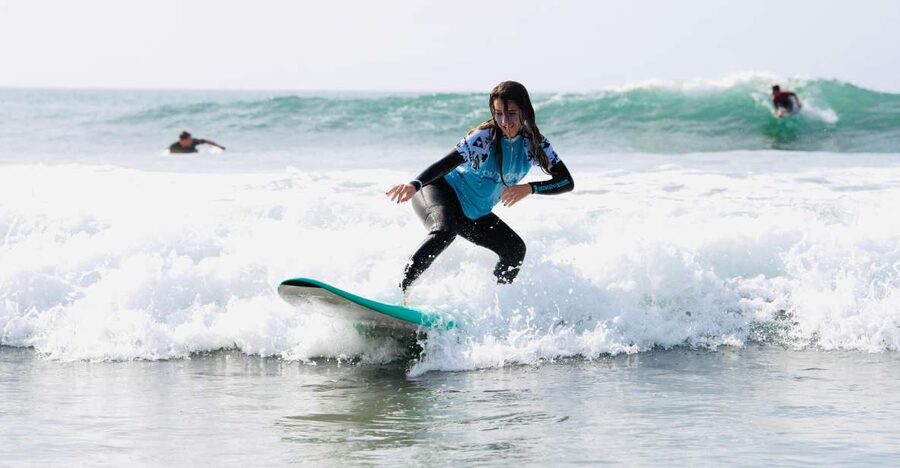
The lesson is taught in English, German, and Spanish. If you want to understand every detail, that’s a real advantage. Surf basics can be hard enough without a language gap, and clear communication helps your learning move faster.
What you bring is straightforward: plan to show up ready to get in the wetsuit, and bring any essentials you’d use on the beach. The course provides the wetsuit and surfboard, plus water and fruit, so you can travel a bit lighter.
If you’re worried about the ocean, don’t be. The coaching style is built around making you comfortable first, then letting you progress. You’ll still learn technique, but you won’t feel like you’re being tested.
Short List of Likely Benefits You Can Count On
This surf lesson is one of those activities where you usually leave with tangible progress, not just a photo and a story. Based on how the class is structured and how it’s taught, here’s what you can reasonably expect:
- Faster learning because you get beach instruction and immediate practice.
- Better technique because instructors focus on your specific pop up and stance issues.
- More confidence because coaching emphasizes fun and comfort, not pressure.
- Real value because gear and insurance are included in the price.
- A memorable morning or afternoon because you get two solid hours of sea time.
Should You Book South Coast Surf School in Maspalomas?
If you want a beginner-friendly surf lesson that still feels real and skill-focused, I’d book it. The format is efficient: beach theory, then two hours in the water. The coaching approach is encouraging and technique-driven, and the included gear and safety coverage make the price feel fair.
You should think twice only if getting to the meeting point is a hassle for your trip. With no hotel pickup or transportation included, you’ll want to be sure you can reach the SouthCoast surfschool flags near the beach bar and the red cross office without stress.
Overall, if your goal is to stand up, catch a few waves, and leave with a clear sense of what to practice next, South Coast Surf School is a smart Gran Canaria choice.
Made by Hand on the Island
- Playa del Inglés Maspalomas: High Quality Surf Classes★ 4.9 · 363 reviews
- Small-Group Surf Lessons in Gran Canaria★ 5.0 · 138 reviews
- Playa del Inglés surf lessons★ 4.8 · 121 reviews
- Gran Canaria: Maspalomas Surf Lessons★ 4.6 · 113 reviews
More of the Gran Canaria Ledger
- Gran Canaria: Catamaran Dolphin Watch Cruise with Snorkeling★ 4.4 · 4,761 reviews
- Maspalomas: Guided Camel Ride in the Maspalomas Sand Dunes★ 4.4 · 4,526 reviews
- Poema del Mar Skip-the-Line Ticket★ 4.8 · 3,856 reviews
- Puerto de Mogán: Submarine Tour★ 4.4 · 3,792 reviews
Out on the Playa del Ingles Break
- Playa del Inglés Maspalomas: High Quality Surf Classes★ 4.9 · 363 reviews
- Puerto Rico, Gran Canaria: boat trip, drinks, food, paddle surfing, snorkeling★ 4.6 · 310 reviews
- Small-Group Surf Lessons in Gran Canaria★ 5.0 · 138 reviews
- Playa del Inglés surf lessons★ 4.8 · 121 reviews
Fresh on the Gran Canaria List
- Gran Canaria: Highlights & hidden gems with Sky Rebels
★ 5.0 · 3 reviews - Escape room “The gratest show on earth” at Holidayworld
★ 3.9 · 3 reviews - Wanderungen im grünen Gran Canaria
★ 5.0 · 3 reviews - 2 hours Double Pass Spa Circuit in Hotel Don Gregory
★ 3.5 · 3 reviews - Las Palmas Maspalomas Gran Canaria Salsa Lovers Dance Experience
★ 5.0 · 3 reviews - Traditional Market Day and San Mateo & Teror
★ 3.5 · 3 reviews
Surf & Kitesurf Lessons, compared.
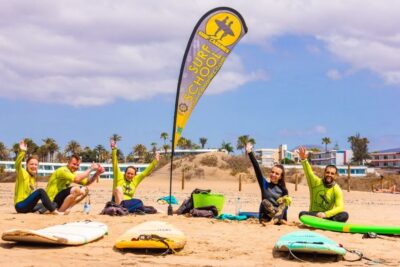 ★ 4.9Playa del Inglés Maspalomas: High Quality Surf ClassesFrom $63363 reviews
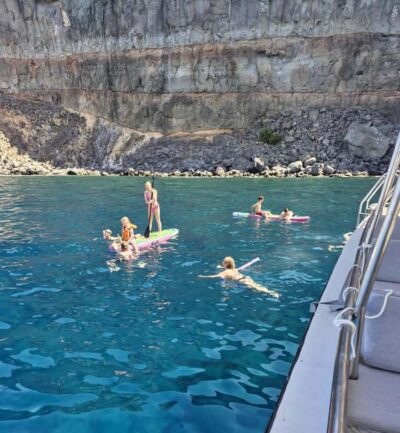 ★ 4.6Puerto Rico, Gran Canaria: boat trip, drinks, food, paddle surfing, snorkelingFrom $56310 reviews
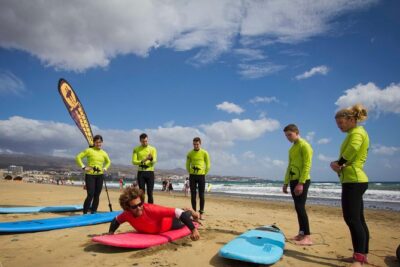 ★ 5.0Small-Group Surf Lessons in Gran CanariaFrom $72138 reviews
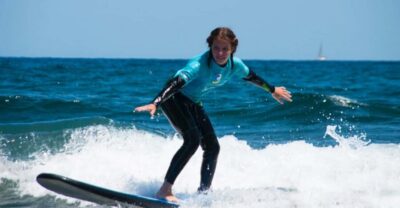 ★ 4.8Playa del Inglés surf lessonsFrom $58121 reviews
 ★ 4.6Maspalomas Surf LessonsFrom $58113 reviews
 ★ 5.0Premium Surf Course in Gran CanariaFrom $7789 reviews
 ★ 4.8Gran Canaria Surf Lessons: Playa del Inglés & MaspalomasFrom $6276 reviews
 ★ 4.8Las Palmas: Learn to Surf with a Special Price for Two GroupFrom $11730 reviews
Browse the lists this tour appears in