
Reviewed · SURF & KITESURF LESSONS
Gran Canaria: Maspalomas Surf Lessons
First waves usually mean smiles first. A Canary Wave surf lesson on Gran Canaria is built for fast progress, with small groups and multilingual instructors helping you learn the technique and the surf vibe. You’re not just thrown on a board; you get a mix of theory and coaching, then you go after the best conditions the day can offer. The lesson is timed around what the sea is doing, so it can feel like a mini surf mission instead of a fixed routine.
I especially like two things: the attention you get in a group of up to 8, and the way coaches focus on details that help you stand and ride more confidently. One thing to keep in mind: the meeting time and exact beach can shift with the surf, so plan for an earlier, weather-dependent start rather than assuming a perfectly fixed schedule.
Key things to know before you go
- Up to 8 people: you’ll get real feedback, not a crowd-control vibe.
- Multilingual coaching (Spanish, English, Italian): easier learning for mixed groups.
- Theory + time in the water: you learn the basics before you chase waves.
- They chase the best surf that day: different spots around Maspalomas/Meloneras can be used.
- You’re covered on gear and sun care: wetsuit/board/leash and sun protection are part of the package.
- Beginners through advanced: lessons are set for different levels.
In This Review
- Maspalomas Surf With Canary Wave: What Makes It Worth Your Time
- Where You Meet: Oasis Shopping Center by the Red Cross Tower
- Timing Matters: Morning Start and Sea-Condition Changes
- The Lesson Format: Theory First, Then You’re Up and Riding
- Best-Wave Strategy: How the Surf Van With AC Fits In
- Included Gear and Sun Protection: Fewer Decisions, More Surf Time
- What You Should Bring: Swimwear and a Towel
- Coaching Quality: What the Feedback Signals About Learning
- Levels and Who It Suits Best
- Price and Value: $58 for Gear, Coaching, and Photos
- Practical Logistics: Where to Stay and How to Plan Your Day
- Should You Book Canary Wave’s Maspalomas Surf Lesson?
- FAQ
- What’s the duration of the surf lesson?
- Where does the lesson usually take place?
- How big are the groups?
- What languages do the instructors speak?
- What’s included in the price?
- Do I need to bring anything?
Maspalomas Surf With Canary Wave: What Makes It Worth Your Time
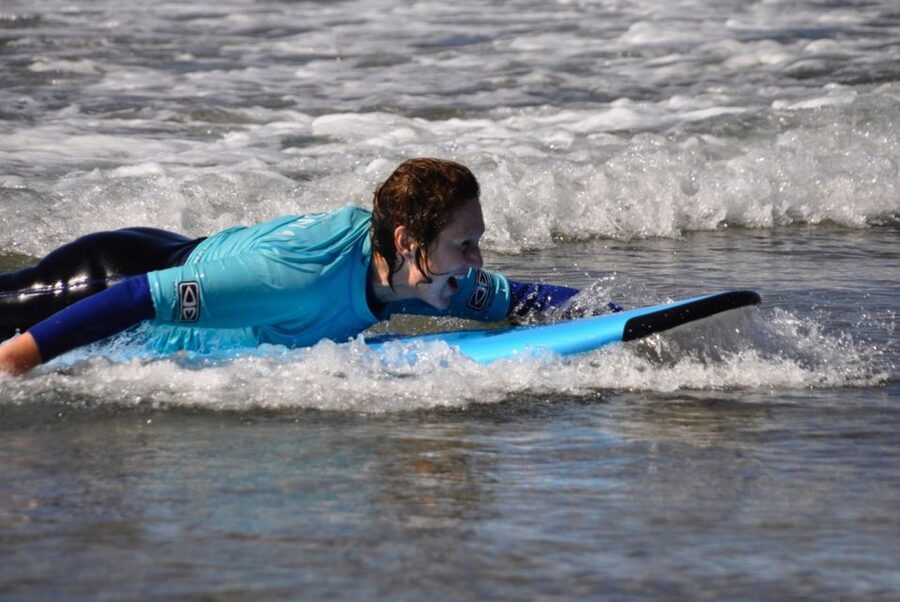
If you’ve ever watched surfers and thought, That looks way harder than it should, this lesson is designed to shrink that gap fast. Canary Wave’s approach is simple: explain what matters, practice it step by step, then get you on waves long enough to feel the learning click.
The value starts with the format. A small group (limited to 8) changes everything. You spend less time waiting around and more time getting corrected, which matters for beginners who don’t yet know what they’re doing wrong. It also helps intermediate surfers refine technique without being stuck at the same level as someone brand new.
Second, the coaching is practical and supportive. In the feedback I’d use as a guide, instructors like Rayco and Tony are praised for being friendly and detailed, and for keeping people calm when things don’t work on the first try. That kind of coaching matters on a beach like Maspalomas, where wind and swell can make the first sessions feel unpredictable.
One more reason I’d pick this over a generic “just try it” surf stop: the instructors aim for the best waves for the day and they can switch locations if conditions aren’t ideal. That’s not just convenience—it’s how you increase your chances of catching waves instead of battling flat water.
Where You Meet: Oasis Shopping Center by the Red Cross Tower
Your meeting point is at the Canary Wave Surf School by Nixon in the Oasis Shopping Center, on the Maspalomas beach side, behind the Red Cross lifeguard tower.
This is helpful because Maspalomas can feel spread out. If you’re staying in Playa del Inglés or nearby, you’re close to a cluster of beach access points and the shopping center acts like a clear landmark. If you’re the type who hates arriving late and guessing, using a fixed meeting spot like this is a big win.
You should also know that the activity is usually carried out around Meloneras or Maspalomas beach near the lighthouse, but the provider may adjust the location depending on weather conditions. So treat the meeting spot as where you start the day, not where you necessarily surf the entire time.
More lessons on the Playa del Ingles and Las Canteras breaks
Timing Matters: Morning Start and Sea-Condition Changes
This course typically starts in the morning, with a meet-up around 08:30, but the exact start can change depending on sea conditions. They’ll contact you if timing shifts.
Why this matters: surf is weather math. Wind direction, swell size, and wave shape can change quickly, especially along the Canary Islands. Starting early often gives you the best shot at workable conditions, but the real point is that this school doesn’t pretend the ocean always cooperates.
Also note the lesson timing detail: the overview says a 2-hour duration, but the included info mentions 3 hours of surf class. That could mean water time vs. total activity time, or it could be a wording difference. If timing is tight in your itinerary, I’d message them ahead and ask what the 2 hours includes for your date.
The Lesson Format: Theory First, Then You’re Up and Riding
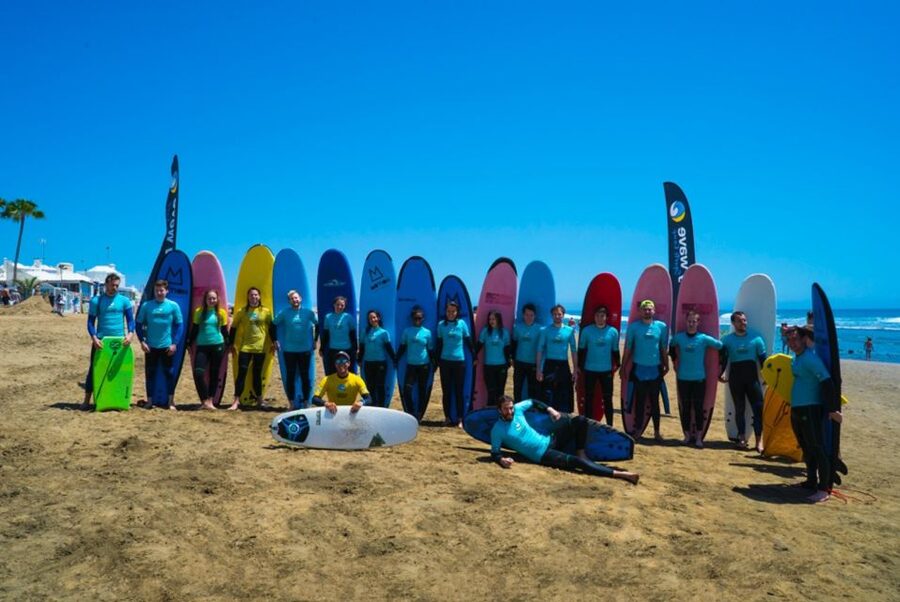
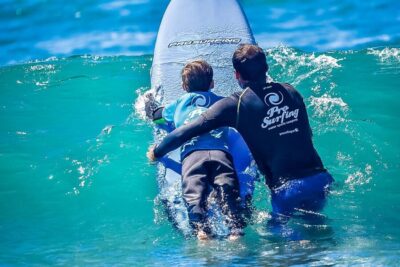
Expect a lesson that starts with both theoretical and practical instruction before you go into the water. This isn’t “watch from the shore” training. The goal is to get you prepared so you can spend your effort on actual wave attempts.
Here’s what that usually translates to in a good beginner surf lesson:
- You learn core body positions and how to use your balance.
- You practice the basics on land so the ocean part doesn’t feel random.
- You then apply it right away with coaching in real time.
Because you’re in a small group, instructors can correct common mistakes as they happen. In one of the feedback highlights, coaching includes repeated correction and encouragement—exactly what you want when you’re trying to stand the second (or third, or fifth) time.
For beginners, this matters because the first goal is safety and control. For intermediate and advanced surfers, it still matters because small technical fixes—stance, timing, or how you approach the wave—can make the session feel dramatically better without needing a whole new skill set.
Best-Wave Strategy: How the Surf Van With AC Fits In
One of the smartest details in their setup is mobility. If conditions at the “home” beach (Maspalomas) aren’t ideal, they use a surf van with AC to get you to where the waves are better.
That means you’re not stuck hoping your spot magically improves. You’re being moved toward surf that matches the level of the group that day. In practice, that’s one of the easiest ways to protect your learning time. Less waiting for the right wave shape usually means more chances to stand, turn, and catch real rides.
It also helps you stay comfortable. You’ll likely spend time on a beach under strong sun, so having AC during any travel between spots is a small comfort that adds up.
Included Gear and Sun Protection: Fewer Decisions, More Surf Time
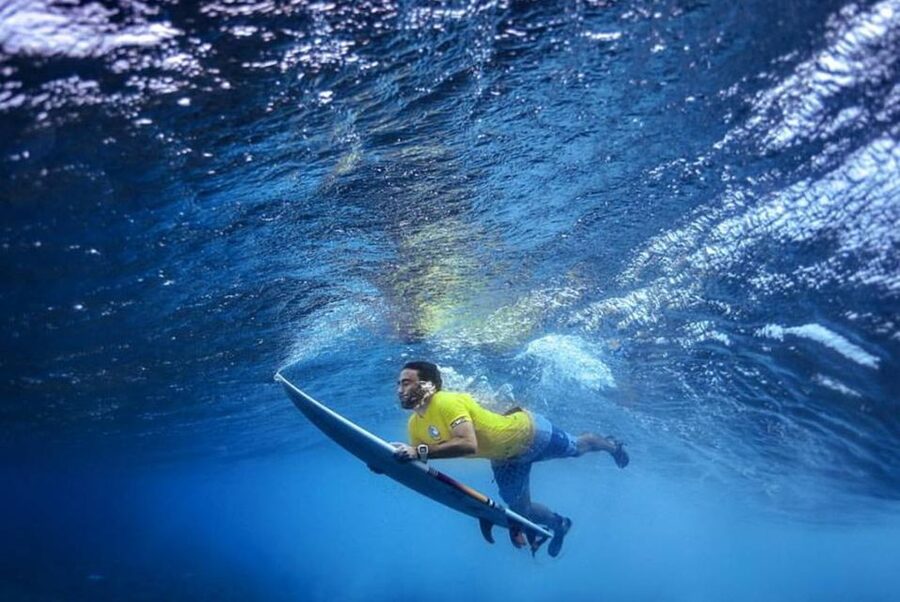
The package includes a solid list of essentials:
- Surf equipment (boards, plus wetsuit options like short or long wetsuit)
- Leash and rashguard
- Photos of the surf class sent to you (availability may vary)
- Sun protection cream
- Insurance
- Theoretical and practical instruction
- Water to drink
That “sunblocker before we start” detail is more important than it sounds. Gran Canaria sun can be strong, and beginners often forget to reapply while they’re busy learning. Starting the session already protected helps you focus on your technique instead of your skin.
They also mention sunscreen is provided as part of what they give you before you begin. I’d still bring your own if you’re picky about brands or sensitive skin, but it’s nice to know you’re not starting from zero.
Learn something with your hands here
What You Should Bring: Swimwear and a Towel
To keep it simple, bring:
- Swimwear
- Towel
That’s it. The equipment and protection are covered, so you’re mostly showing up ready to change quickly and get into your wetsuit. If you’re arriving from a hotel, a small towel in a bag is the kind of detail that saves you from the end-of-lesson scramble.
Coaching Quality: What the Feedback Signals About Learning
The reviews point to a few repeated themes that help you choose whether this is the right fit.
Friendly, professional instructors come up again and again, including coaching names like Rayco and Tony. A couple key phrases behind the praise: instructors make you feel safe, they keep correcting you as you go, and they stay encouraging when you don’t get it immediately.
That last part is huge for beginners. Surf can be humbling in seconds—wipeouts happen, timing goes weird, and waves don’t care that you’re nervous. If your instructor keeps the tone positive while still giving clear corrections, you’ll improve faster because you’ll actually keep trying instead of getting discouraged.
There’s also a subtle point about pacing. One review notes a longer wait for a safe wave compared with a crowded shoreline. That’s not something you control, but it’s a reminder that surf time can slow down when more schools crowd one area. The good news here is that Canary Wave keeps groups small, which tends to reduce waiting when they’re running at normal capacity.
Levels and Who It Suits Best
Canary Wave offers lessons for different levels: Beginners, Intermediate, and Advanced. That’s ideal if you’re traveling with friends who are at different stages, or if you want to return and progress without starting over.
Who I think it’s best for:
- First-timers who want guided technique and a supportive instructor style
- Intermediate surfers who want corrections they can apply immediately
- People who want a lesson that’s structured, not chaotic
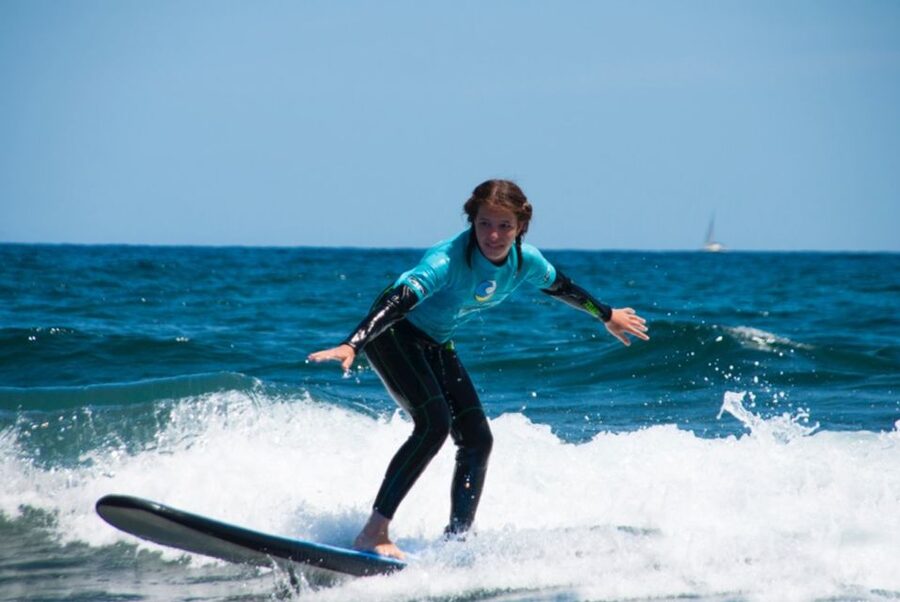
One review notes a beginner who wasn’t athletic and still got up and surfing within the session. That’s a good sign of how the coaching scales to the person in front of the board.
If you’re an advanced surfer hoping for long sessions of high-performance riding, you might find this more “learning/skill improvement” focused than “full-on free surf with advanced maneuvers.” But for technique refinement and confidence-building, it sounds like a strong match.
Price and Value: $58 for Gear, Coaching, and Photos
At $58 per person for a roughly 2-hour experience, the value depends on what’s included and how much actual teaching you receive.
Here’s what you’re getting for that price:
- Surf equipment (including wetsuit, leash, board options, rashguard)
- Sun protection and water to drink
- Instruction (theory + practical)
- Insurance
- Photos of the session sent to you (ask if available)
- Optional pick-up from your accommodation (ask for availability)
That’s a lot bundled together. In many surf areas, you either pay extra for gear or you end up renting basic items while the instruction is limited. Here, the gear and core coaching are clearly part of the package, which keeps the total cost from creeping upward.
If pick-up is available for your hotel, the value goes up again. If you’re outside the Maspalomas/Playa del Inglés area, they note pick-up isn’t included, so you’d want to confirm options before you book.
Practical Logistics: Where to Stay and How to Plan Your Day
The meeting point is in Maspalomas near the Oasis Shopping Center, and pickup is offered only in certain areas. So staying in Maspalomas or Playa del Inglés will make the day easier.
Your day plan should include:
- A buffer for a weather-driven start change
- Time to reach the meeting point a bit early
- A towel and swimwear ready to go
Also remember the beach location can switch between Maspalomas and Meloneras depending on the day’s conditions, including near the lighthouse. So if you’re planning dinner reservations right after, don’t set them to a minute-by-minute schedule.
Should You Book Canary Wave’s Maspalomas Surf Lesson?
I’d book it if you want a guided first surf experience that gives you a realistic chance to catch waves and improve your technique in one session. The small group size, the mix of theory and practice, and the daily “go where the waves are better” approach are all signs you’re paying for quality time in the water—not just a board rental.
Don’t book it expecting a totally fixed itinerary. The session timing and location can shift with sea conditions, and there’s a chance of downtime if the beach gets busy.
If your top goal is learning and confidence with coaching you can understand in Spanish, English, or Italian, this one looks like a solid value at $58.
FAQ
What’s the duration of the surf lesson?
The activity duration is listed as 2 hours, but the included information also mentions 3 hours of surf class. If you want clarity for your exact schedule, check with the provider when confirming your booking.
Where does the lesson usually take place?
It’s usually carried out on Meloneras beach or Maspalomas beach next to the lighthouse. The exact location can change depending on weather and sea conditions.
How big are the groups?
The lesson runs in small groups limited to up to 8 participants.
What languages do the instructors speak?
Instructors are listed as Spanish, English, and Italian.
What’s included in the price?
Included items list surf equipment (such as wetsuit/board/leash/rashguard), sun protection, insurance, theoretical and practical instruction, water to drink, and photos of the surf class (availability can vary). Pickup from your accommodation is offered if available.
Do I need to bring anything?
Yes—bring swimwear and a towel. The rest of the surf gear and sun protection are provided.
Made by Hand on the Island
- Playa del Inglés Maspalomas: High Quality Surf Classes★ 4.9 · 363 reviews
- Gran Canaria Maspalomas: Surf lessons all levels★ 5.0 · 197 reviews
- Small-Group Surf Lessons in Gran Canaria★ 5.0 · 138 reviews
- Playa del Inglés surf lessons★ 4.8 · 121 reviews
More of the Gran Canaria Ledger
- Gran Canaria: Catamaran Dolphin Watch Cruise with Snorkeling★ 4.4 · 4,761 reviews
- Maspalomas: Guided Camel Ride in the Maspalomas Sand Dunes★ 4.4 · 4,526 reviews
- Poema del Mar Skip-the-Line Ticket★ 4.8 · 3,856 reviews
- Puerto de Mogán: Submarine Tour★ 4.4 · 3,792 reviews
Out on the Playa del Ingles Break
- Playa del Inglés Maspalomas: High Quality Surf Classes★ 4.9 · 363 reviews
- Puerto Rico, Gran Canaria: boat trip, drinks, food, paddle surfing, snorkeling★ 4.6 · 310 reviews
- Gran Canaria Maspalomas: Surf lessons all levels★ 5.0 · 197 reviews
- Small-Group Surf Lessons in Gran Canaria★ 5.0 · 138 reviews
Fresh on the Gran Canaria List
- Gran Canaria: Highlights & hidden gems with Sky Rebels
★ 5.0 · 3 reviews - Escape room “The gratest show on earth” at Holidayworld
★ 3.9 · 3 reviews - Wanderungen im grünen Gran Canaria
★ 5.0 · 3 reviews - 2 hours Double Pass Spa Circuit in Hotel Don Gregory
★ 3.5 · 3 reviews - Las Palmas Maspalomas Gran Canaria Salsa Lovers Dance Experience
★ 5.0 · 3 reviews - Traditional Market Day and San Mateo & Teror
★ 3.5 · 3 reviews
Surf & Kitesurf Lessons, compared.
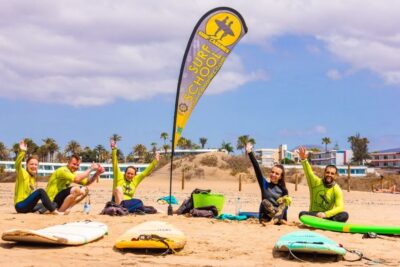 ★ 4.9Playa del Inglés Maspalomas: High Quality Surf ClassesFrom $63363 reviews
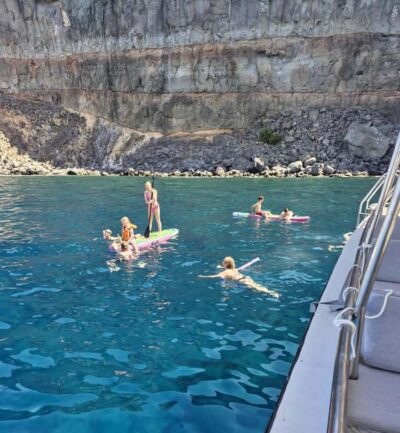 ★ 4.6Puerto Rico, Gran Canaria: boat trip, drinks, food, paddle surfing, snorkelingFrom $56310 reviews
 ★ 5.0Gran Canaria Maspalomas: Surf lessons all levelsFrom $59197 reviews
 ★ 5.0Small-Group Surf Lessons in Gran CanariaFrom $72138 reviews
 ★ 4.8Playa del Inglés surf lessonsFrom $58121 reviews
 ★ 5.0Premium Surf Course in Gran CanariaFrom $7789 reviews
 ★ 4.8Gran Canaria Surf Lessons: Playa del Inglés & MaspalomasFrom $6276 reviews
 ★ 4.8Las Palmas: Learn to Surf with a Special Price for Two GroupFrom $11730 reviews
Browse the lists this tour appears in